
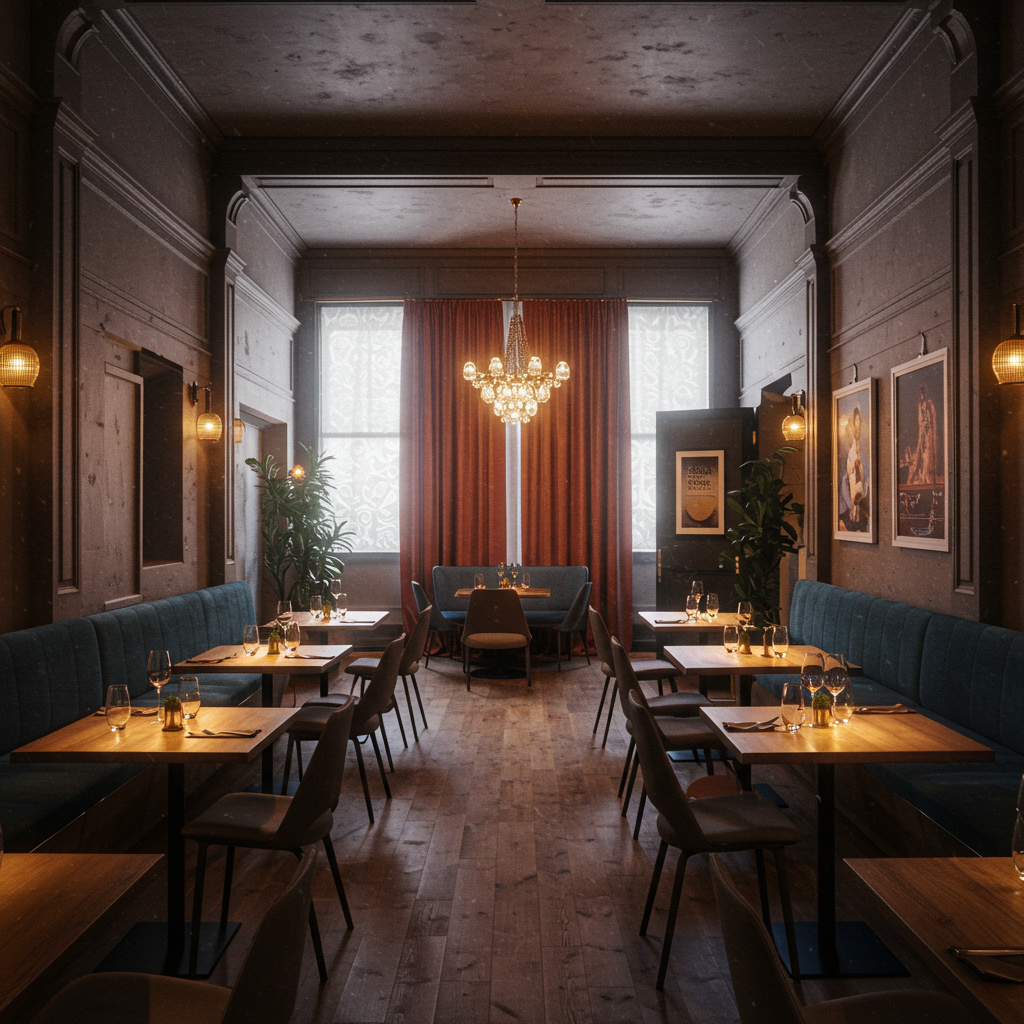
The Ultimate Guide to Venues in the Northern Powerhouse: Our Picks in Leeds, Manchester, and Newcastle
This article provides a strategic and operational framework for venue selection in the nerve centers of the Northern Powerhouse. Aimed at event organizers, marketing directors, and purchasing managers, our analysis focuses on maximizing return on investment (ROI) and attendee experience (NPS). Through a data-driven approach, we break down the processes, KPIs, and quality standards needed to make the best leeds manchester newcastle venue picks. We’ll explore everything from aligning with brand values to negotiating contracts and managing sustainability, offering practical guides, case studies, and templates to ensure that every event is not only a logistical success but also a catalyst for business growth. Our goal is to reduce budget deviation to less than 5% and improve operational efficiency by 15%.
Introduction
The “Northern Powerhouse” concept has revitalized the north of England, positioning cities like Leeds, Manchester, and Newcastle as vibrant hubs of innovation, culture, and business. For companies looking to expand their influence, hosting events in this region is a strategic decision. However, the success of any conference, product launch, or corporate summit hinges on choosing the right venue. This article is presented as the definitive guide to navigating the complex ecosystem of event spaces in these three cities, offering a proven methodology for making the best leeds manchester newcastle venue picks. It’s not just about finding a space with the right capacity, but about identifying a strategic partner that amplifies the brand message, guarantees a seamless experience, and delivers a measurable return on investment. Our methodology is based on a multifactorial analysis that goes beyond traditional metrics like cost per square meter or capacity. We evaluate each potential venue through a lens that includes sustainability (according to ISO 20121 standards), digital connectivity (latency and bandwidth), universal accessibility (compliance with regulations), and operational flexibility. The Key Performance Indicators (KPIs) we monitor throughout the process include the event’s Net Promoter Score (NPS), the post-event goal conversion rate (lead generation, closing deals), energy savings, and budget variance, with the aim of keeping it below 3%. This comprehensive approach ensures that venue selection is not merely a logistical formality, but the cornerstone upon which a memorable and profitable event is built.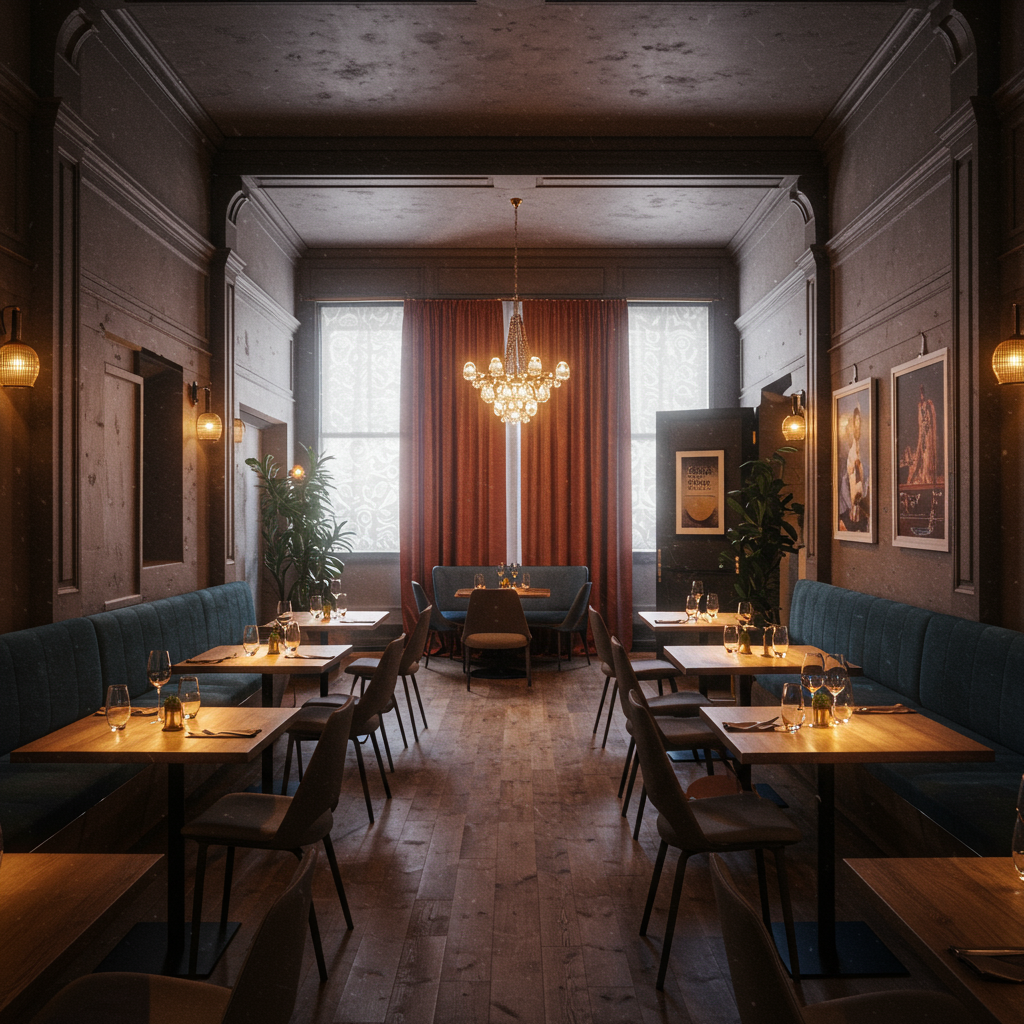
Vision, values, and proposal
Focus on results and measurement
Our vision is to transform venue selection from a tactical task to a high-impact strategic decision. We believe that the physical space is an extension of the brand and a critical component of the attendee experience. Therefore, we apply the Pareto principle (80/20), focusing on the 20% of selection criteria that generate 80% of the event’s success. Our values are transparency, analytical rigor, and sustainability. Every recommendation is based on verifiable data and aligns with the client’s strategic objectives, whether commercial, brand-related, or related to corporate social responsibility. The technical standards that guide our work include UK building regulations, the accessibility guidelines of the Equality Act 2010, and event safety protocols (such as the Purple Guide). Strategic Alignment: The venue must reflect the brand’s values and positioning. A tech startup event doesn’t fit in a classic palatial hotel, while a gala dinner for an investment bank does.- Attendee Experience (AX): We analyze the entire attendee “journey,” from arrival (accessibility, parking, public transport) to departure (signage, crowd flow, comfort).
- Verifiable Sustainability: We prioritize venues with certifications such as BREEAM or ISO 14001, zero-waste policies, and local supply chains for catering. We measure the carbon impact per attendee.
- Flexibility and Scalability: The space must be able to adapt to last-minute changes in capacity or event format (plenary sessions, workshops, networking areas).
- Robust Technological Infrastructure: We audit Wi-Fi connectivity (access point density, guaranteed bandwidth), integrated audiovisual (AV) capabilities, and on-site technical support.
Services, Profiles, and Performance
Portfolio and Professional Profiles
We offer a comprehensive consulting service for venue selection and management, designed to save time, reduce costs, and mitigate risks. Our team comprises multidisciplinary profiles: Venue Finders with over 10 years of experience in the North of England market, Technical Production Managers specializing in AV and streaming, and accredited Sustainability Consultants. This service portfolio covers the entire venue selection lifecycle, ensuring that every choice is perfectly aligned with the event’s objectives. Our Leeds Manchester Newcastle venue picks are based on our proprietary database of over 500 personally audited venues, allowing us to offer options that aren’t always on the radar of conventional search engines. Operational Process Phase 1: Diagnosis and Briefing (Duration: 1 week): Intensive workshop with the client to define objectives, target audience, detailed budget, and KPIs. Deliverable: Event Requirements Document (ERD). KPI: ERD Accuracy > 95%. Phase 2: Research and Pre-selection (Duration: 1 week): We searched our database and the market. We filtered and presented a longlist of 8-10 venues with an initial comparative analysis. KPI: Reduction of client search time by 80%. Phase 3: Technical Visits and Shortlisting (Duration: 2 weeks): We coordinated and led technical visits (in-person or virtual) to the 3-4 finalist venues. We evaluated each space using a checklist of more than 150 points. Deliverable: Venue Audit Report. KPI: Satisfaction rate with the shortlist > 90%. Phase 4: Negotiation and Contracting (Duration: 1 week): We lead the negotiation of rates, terms, and contractual clauses, seeking an average savings of 10-15% on the initial rate. Legal review of the contract. KPI: Documented contractual savings. Phase 5: Pre-production and Liaison (Ongoing): We act as the main point of contact with the venue, managing logistics, floor plans, suppliers, and technical requirements. KPI: Zero critical communication errors. Phase 6: Execution and On-Site Support (Day of the Event): A Venue Manager from our team is present to oversee execution and resolve issues in real time. KPI: Incident resolution time < 15 minutes.Tables and examples
Attendee Experience Improvement (AX)Net Promoter Score (NPS) of the event; Average queue time (registration, catering); Perceived Wi-Fi network qualitySelection of venues with logical people flows; Wi-Fi infrastructure audit under load; Prioritization of quality cateringNPS > 50; Queue time < 5 minutes; Wi-Fi connection success rate > 99%Sustainability Goal ComplianceCarbon footprint per attendee (kg CO2e); % of waste diverted from landfill; Percentage of local suppliers Prioritization of ISO 14001/2012 certified venues; Implementation of paperless policies; Contracting of locally sourced catering 20% reduction in carbon footprint vs. baseline; Recycling rate > 85%; > 60% of the catering budget for local suppliers Our structured process guarantees informed decision-making, minimizing risks and optimizing the impact on cost, time, and quality for each event.
Representation, campaigns, and/or production
Professional development and management
Once the venue is selected, our work focuses on management and production to ensure flawless execution. We act as the main point of contact between the client and the venue team, translating the creative vision into a logistical and technical operations plan. This involves managing all the necessary documentation, from municipal permits for temporary structures to entertainment licenses (if required) and liability insurance. We coordinate an ecosystem of trusted suppliers (audiovisual equipment, set design, furniture, staff) ensuring that everyone meets the highest standards of quality and safety. The execution schedule is a living document that we share with all stakeholders, detailing milestones, deadlines, and responsible parties from 6 months before the event until final dismantling. Critical Documentation Checklist: Signed Venue Contract. Public Liability Insurance Policy (minimum £5 million). Risk Assessment and Statement of Methods (RAMS) from all suppliers. Event Management Plan (EMP), including evacuation plan. Electrical Equipment Safety Certificates (PAT testing). Temporary Event Licenses (TENs), if applicable. Contingency Plans: Contingency Plan for bad weather at events with Outdoor components. Power failure protocol (confirm venue backup generators). List of pre-approved alternative suppliers for catering, AV, and staff. Crisis communication plan for attendees and press.- Supplier Coordination:
- Unified setup and teardown schedule (get-in/get-out).
- Weekly production meetings in the month prior to the event.
- Management of access passes and parking areas for the technical team.

Content and/or Media That Convert
Messages, Formats, and Conversions: Optimizing the Venue for Content
The venue is not merely a container, but a stage that can enhance or limit the effectiveness of the content. Our approach integrates the content strategy from the initial selection phase. For example, if a key objective is to generate video content for social media, we will look for venues with multiple visually appealing (“Instagrammable”) locations, good natural lighting, and acoustically isolated areas for interviews. We conduct A/B testing in event promotion, using images and videos of the shortlisted venues to measure which aesthetic resonates most with the target audience. The primary Call to Action (CTA), registration, is influenced by the perception of quality and exclusivity conveyed by the venue. Therefore, optimizing the Leeds Manchester Newcastle venue picks is also a conversion rate optimization (CRO) tactic. Content Strategy Definition (Pre-selection): Identify key formats (keynotes, panels, workshops, demos, live streaming, interviews). Content Mapping to Spaces (Shortlisting Phase): Assign each content type to a potential space within the shortlisted venues. Does the plenary hall have good acoustics and sightlines? Are there quiet spaces for high-value networking? Technical Media Audit (Technical Visit): Measure the actual internet upload speed for streaming. Test the compatibility of AV systems. Evaluate lighting options for video recording.- On-Site Content Production Plan (Pre-production): Create a detailed schedule for the video and photography team, coordinated with the event program. Define areas for interviews and content creation.
- Distribution and Amplification (Post-event): Utilize the high-quality material generated thanks to the venue’s optimal conditions for post-event marketing campaigns, maximizing long-term ROI.

Training and employability
Demand-driven catalog
To empower our clients’ internal teams and industry professionals, we have developed a specialized training program in event management. in the Northern Powerhouse. These modules are designed to be practical, based on real-world cases, and focused on measurable results.-
- Module 1: Venue Selection Strategy in the North of England. Market analysis of Leeds, Manchester, and Newcastle. How to align selection with business and brand objectives.
- Module 2: Contract Negotiation and Budget Management. Key clauses (cancellation, force majeure), negotiation techniques, and tools for comprehensive budget control.
- Module 3: Technical Production for Event Managers. Fundamentals of audiovisuals, lighting, and streaming. How to write a technical rider and assess a venue’s capabilities.
Methodology
Our training methodology is eminently practical (“learning by doing”). Sessions combine theory with practical workshops, analysis of real-world cases, and venue visits. Assessment is based on rubrics that measure the participant’s ability to apply knowledge in simulated scenarios (e.g., negotiating a hypothetical contract, creating a risk plan for a given event). We collaborate with event agencies and large companies in the region to offer a pool of internships and job opportunities, connecting trained talent with market demand and thus improving employability in the Northern Powerhouse events sector. We expect 80% of participants to improve their event management skills by at least 25%, measured through pre- and post-training assessments.Operational Processes and Quality Standards
From Request to Execution
Our operational pipeline is designed to offer maximum transparency and efficiency. Each phase has clear deliverables and defined acceptance criteria, ensuring that the client has full control and visibility at all times.- Diagnosis (Phase 1): Request receipt. Discovery workshop. Delivery of the Event Requirements Document (ERD). Acceptance Criteria: ERD approved and signed by the client.Proposal (Phase 2): Presentation of the long list and comparative analysis. Feedback session. Delivery of the pre-selection report and shortlist proposal. Acceptance Criteria: Approved shortlist of 3-4 venues. Pre-production (Phase 3): Technical site visits. Negotiation. Delivery of the final audit report and draft contract. Acceptance Criteria: Contract with the selected venue signed. Execution (Phase 4): Detailed logistical planning. Supplier management. Setup supervision. Delivery of the Event Management Plan (EMP). Acceptance Criteria: EMP approved by all parties. Closure (Phase 5): Supervision of dismantling. Feedback collection. Delivery of a post-event report with KPI analysis and recommendations. Acceptance criteria: Reconciled final invoice and report submitted. Quality Control Quality control is an ongoing process, not a final stage. A Quality Manager is assigned to each project, responsible for auditing deliverables and ensuring SLA compliance. Roles: The Account Manager is the client’s point of contact. The Venue Specialist leads the search and negotiation. The Production Manager oversees logistics and technical aspects. The Quality Manager audits the process. Escalation: Any deviation of >5% in budget or >3 days in deadlines is immediately escalated to the Account Manager. Acceptance Indicators: Each deliverable is validated against a quality checklist before being sent to the client. The customer’s NPS for our service is measured after each key phase.
- SLAs: Response time to inquiries < 4 business hours. Proposal delivery within a maximum of 5 business days. Post-event report within 10 business days.
| Objective | Indicators | Actions | Expected result |
|---|---|---|---|
| Budget Optimization | Cost per attendee; % savings on rack rate; Final budget deviation | Centralized DDR rate negotiation; Off-peak date search; AV and catering service bundling | 12% reduction in cost per attendee; Minimum 8% savings on total venue cost; Deviation < 3% |
| Phase | Key Deliverables | Control Indicators | Risks and Mitigation |
|---|---|---|---|
| Diagnosis | Event Requirements Document (ERD) | ERD level of detail; Stakeholder alignment; Budget Clarity |
Application Cases and Scenarios
Case 1: “Innovate North” Technology Conference in Manchester
Challenge: A client in the technology sector needed to organize a conference for 800 developers and managers in Manchester. Key requirements included enterprise-grade internet connectivity (10 Gbps symmetrical), multiple breakout rooms, a plenary hall capable of large-format projections, and ample space for sponsor exhibits. The budget was €250,000 for the venue and associated services. The timeframe was 9 months. Solution: After analyzing 12 potential venues, our final selection was the Manchester Central Convention Complex. We negotiated a package that included the rental of the main space, 10 meeting rooms, and an upgrade to the dedicated network infrastructure for the event, achieving a 12% saving on the initial rate. We implemented an RFID-based registration system to monitor attendee flow and gather data on the most popular sessions. The exhibition space was designed with an open floor plan to maximize interaction between sponsors and attendees. Results: Final Budget: €242,500 (3% below budget). Technical KPIs: 0% Wi-Fi downtime; Average latency < 20 ms. Event NPS: +62 (a 15-point increase over the previous year). Sponsor ROI: 30% higher than the industry average qualified lead generation, according to a post-event survey. Case 2: Leadership Retreat for a Global Consulting Firm in Leeds Challenge: A leading consulting firm was looking for an inspiring and exclusive location near Leeds for a three-day retreat for its 50 senior partners. The objectives were to foster strategic thinking, team building, and confidentiality. A luxury environment was required, with 5-star accommodation, high-security private meeting rooms, and unique experiential activities. The budget was high, but demonstrable value was required. Solution: We ruled out traditional conference hotels and proposed Oulton Hall, an 18th-century mansion converted into a luxury hotel with a golf course. We reserved an entire wing of the hotel to ensure privacy. Strategy sessions were held in historic halls, while for team building we organized activities such as falconry in the gardens and a whisky tasting with a local expert. Technology was integrated discreetly, with secure videoconferencing systems and interactive digital whiteboards. Results: Partner Satisfaction Rate: 98% (measured by an anonymous survey). Qualitative Feedback: Participants highlighted that the “outside the office” environment fostered more open and creative communication. ADR (Average Daily Rate): We negotiated a corporate rate 18% lower than the public rate, which included activities and exclusive use of the facilities. Confidentiality: Zero security or information breaches. Case Study 3: Launching a Sustainable Fashion Brand in Newcastle Challenge: A new sustainable fashion brand wanted to organize a launch event in Newcastle for press, influencers, and buyers. The event needed to reflect the brand’s values: innovation, sustainability, and design. They required a versatile, industrial space with good lighting for photography and a runway show, and one with sustainability credentials. The budget was tight: €40,000. Solution: Our top recommendation was The Boiler Shop in Newcastle, a former locomotive factory converted into an event space. Its industrial aesthetic and commitment to sustainability (renewable energy use, zero-plastic policies) were a perfect fit. We designed a multifaceted event: a central catwalk, garment display areas, an interactive workshop on recycled fabrics, and an organic cocktail bar. The catering was contracted with a local company that used seasonal and locally sourced products. Results: Media Coverage: Over 50 articles in fashion and lifestyle media, with an estimated advertising value equivalent (AVE) of €200,000. Social Media Impact: Over 2 million impressions with the event hashtag in 48 hours. Sustainability: 95% of the event’s waste was recycled or composted. The carbon footprint per attendee was 40% lower than that of a standard fashion event. Sales: Orders were secured from 5 major distributors during the event, exceeding the initial target by 150%. Un claro ejemplo de cómo una de nuestras leeds manchester newcastle venue picks can catalyze commercial success.Step-by-step guides and templates
Guide 1: Ultimate Checklist for the Technical Visit of Enclosures
This guide ensures that no critical detail is overlooked when visiting a potential venue. Use it for a standardized and objective evaluation.- Accessibility and location:
- How easy is it to get to by public transport (train, subway, bus)?
- Is there enough parking for attendees and staff? cost?
- Is the main access wheelchair accessible (ramps, no steps)?
- Is the signage from the main street clear?
- spaces and capabilities:
- Measure the actual dimensions of the key rooms. Do they match the plans?
- Verify the capacities in different montages (theater, school, cabaret, banquet).
- Assess the state of conservation (painting, carpets, furniture).
- Is there natural light? Can the rooms be completely darkened?
- Inspect service areas (kitchens, loading docks, warehouses).
- Technical Infrastructure (AV and IT):
- What AV equipment is included (projectors, screens, public address)? Make and model?
- Where are the electrical and mains connection points? Are they enough?
- Perform a Wi-Fi network speed test at various points.
- Ask for on-site technical support. Is it included or is it an extra?
- Security and Emergencies:
- Locate emergency exits. Are they clear and well signposted?
- Verify the location of fire extinguishers and fire systems.
- Ask about the evacuation protocols and the meeting point.
- Do you have your own security personnel? And from the first aid room?
- Catering and services:
- Do they have exclusive catering or can external providers be brought in?
- Request menus and sample prices. Do you offer options for special diets?
- Inspect the quality of the bathrooms. Are they enough for maximum capacity?
- Assess the quality of service of the staff during the visit.
Guide 2: How to Negotiate a Precinct Contract: 10 Key Clauses
- Fees and payments: Make sure that all costs are broken down (rental, staff, cleaning, AV). Negotiate a favorable payment schedule.
- Dates and times: Clearly specify the dates and times of assembly (Get-in), Event and Disassembly (Get-Out). Any extra time must have a defined cost.
- Cancellation clause: Negotiate a cancellation penalty scale that is as favorable as possible, especially in the early stages.
- Fuerza Mayor: Ensure that the force majeure clause is wide and covers pandemics, strikes, natural disasters, etc., allowing cancellation without penalty.
- Reduction of attendees (Attrition): Negotiate the possibility of reducing the number of guaranteed attendees to a date close to the event without penalty (eg, 10% up to 30 days before).
- Supplier Exclusivity: fight exclusivity. If the venue imposes its own AV or catering provider, negotiate a reduction in its rates or a commission (Corkage fee) to bring an external one.
- Insurance and responsibility: Clearly define the limits of the responsibility of each party. Require view of the enclosure insurance policy.
- Branding and signage: Ensure that the contract allows signage and branding in key areas of the enclosure without additional costs.
- Changes and modifications: Include an annex for any special requirements (eg, a specific Internet connection) to form part of the legal agreement.
- Dispute Resolution: Establish procedure and jurisdiction in case of disagreement.
Guide 3: Evaluation of sustainability and accessibility in enclosures
- Sustainability Policy: Apply for the enclosure’s environmental policy. Do they have certifications like ISO 14001, ISO 20121 or BREEAM?
- Gestión Energética: Ask about your energy sources. Do you use renewables? Do they have LED lighting systems and motion sensors?
- Waste management: What recycling system do you have? Do you have separate containers for organic, paper, plastic, etc.? What is your landfill diversion rate?
- Agua: Do they have water saving measures (low consumption faucets, etc.)? Do you offer water refill stations to avoid plastic bottles?
- Catering Sostenible: Does your catering prioritize local, seasonal and organic products? Do you have policies to reduce food waste?
- Accesibilidad Física: Check if all public areas and meeting rooms are wheelchair accessible. Are there adapted bathrooms?
- Accesibilidad Sensorial: Do you have induction loops for people with hearing disabilities? Is the lighting adjustable? Are there quiet areas (“Quiet Rooms”)?
- Inclusive communication: Does your signage include braille or pictograms? Is your staff trained to care for people with various disabilities?
Internal and external resources (no links)
Recursos internos
- Proposal Request Template (RFP) for enclosures.
- Technical visit audit checklist (extended version of 200 points).
- standardized enclosure comparison matrix.
- Precinct contract model with recommended clauses.
- Sustainability guide for corporate events.
Reference external resources
- ISO 20121 Standard: Events Sustainability Management Systems.
- The Purple Guide to Health, Safety and Welfare at Music and Other Events.
- Guías de accesibilidad de la Equality and Human Rights Commission (EHRC) del Reino Unido.
- BREEAM (Building Research Establishment Environmental Assessment Method) certification.
- Initiatives of the Northern Powerhouse Partnership.
Preguntas frecuentes
How far in advance should I start looking for a venue in cities like Leeds, Manchester or Newcastle?
For medium to large (>200 people) events, we recommend starting the search at least 12-18 months in advance. The most popular venues with better infrastructure are reserved well in advance, especially for the high season dates (spring and fall). For smaller events (<100 people), a term of 6-9 months may be enough.What is a DDR fee and what does it usually include?
DDR stands for “Day Delegate Rate”. It is a package that many venues offer and that simplifies budgeting. It usually includes: rental of the main meeting room, three coffee/tea services, a buffet or work lunch, basic AV equipment (projector, screen, flipchart) and water. It is crucial to verify exactly what is included to avoid hidden costs.Is it possible to negotiate the prices with the enclosures?
Absolutely. There is almost always room for negotiation, especially if you have flexibility in the dates (Tuesdays and Wednesdays are more expensive), if you hire a significant volume of business (several events per year) or if you commit a minimum expense in catering. Our service specializes in identifying these bargaining levers to get the best value for our customers.How can I ensure that the Wi-Fi connection will be enough for my attendees?
Don’t trust the generic “free Wi-Fi” promises. You must require technical details: Dedicated (non-shared) bandwidth, number of access points, and a Service Level Agreement (SLA) that guarantees a certain level of performance. For events with a lot of streaming or intensive use of the network, it is advisable to hire a dedicated Internet line and an on-site support technician.What should I do if the selected venue cancels my event at the last minute?
This is one of the reasons why a robust cancellation clause in the contract is vital. Said clause must specify the penalties that the site must pay you in case of cancellation on your part, which should be enough to cover the costs of finding an alternative venue of similar quality. In addition, it is always prudent to have a plan B with one or two pre-identified alternative enclosures.Conclusion and call to action
Selecting a venue in the heart of the Northern Powerhouse is one of the most critical decisions in planning a successful event. It goes far beyond capacity and cost; It is about finding a partner that enhances the brand, guarantees an exceptional assistant experience and contributes to achieving tangible business objectives. As we have demonstrated throughout this guide, a methodological, data-driven approach and quality-centered approach is essential to navigate the diversity of options. The implementation of rigorous processes, from the technical visit to the negotiation of the contract, allows mitigating risks and optimizing the budget, keeping the deviations below 3-5%. make the leeds manchester newcastle venue picks Correct is not a matter of luck, but the result of a well-executed strategy. If you are planning an event in the North of England and want to make sure that your choice of enclosure is a catalyst for success, contact our team of experts. Let us apply our experience and methodology to find the perfect space that aligns with your vision and your goals.Glosario
- ADR (Average Daily Rate)
- average daily rate. Metric used in the hotel industry to indicate the median income per occupied room in a given period of time.
- AV (Audiovisual)
- Term that refers to the equipment and services of sound, video and projection used in an event.
- DDR (Day Delegate Rate)
- Delegate rate per day. A price per person that groups the basic services for a one-day conference in a venue.
- KPI (Key Performance Indicator)
- key performance indicator. A quantifiable metric used to assess success in meeting objectives.
- NPS (Net Promoter Score)
- Metric that measures customer loyalty and satisfaction (or assistant) by asking how likely they are to recommend a product, service, or event.
- RFP (Request for Proposal)
- proposal request. Formal document that an organization publishes to request proposals from suppliers for the acquisition of a good or service.
Internal links
- Click here👉 https://uk.esinev.education/masters/
- Click here👉 https://uk.esinev.education/diplomates/
External links
- Princeton University: https://www.princeton.edu
- Massachusetts Institute of Technology (MIT): https://www.mit.edu
- Harvard University: https://www.harvard.edu
- Stanford University: https://www.stanford.edu
- University of Pennsylvania: https://www.upenn.edu