
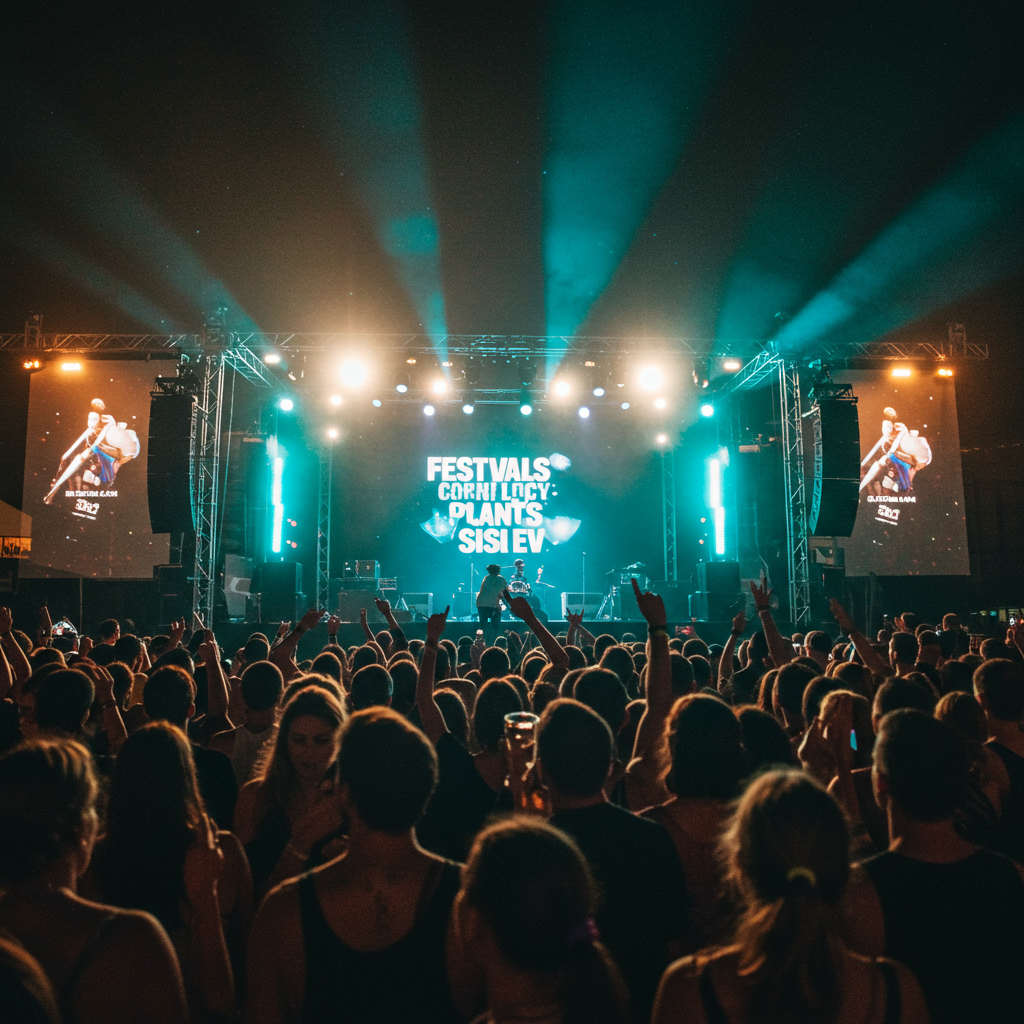
Regulations for Festivals and Urban Events: A Complete Guide to Permits, Schedules, and Neighborhood Relations
This article offers an in-depth look at the legal and operational management of public events. It is aimed at organizers, promoters, and municipal managers, detailing the processes for navigating the bureaucracy and ensuring the success of the event. We analyze the regulations for festivals and events from a practical perspective, presenting methodologies to optimize the licensing process, minimize noise impact, and foster a positive relationship with the local community.
Through case studies and step-by-step guides, we establish measurable KPIs such as a 15% reduction in approval times, a 40% decrease in neighborhood complaints, and 100% compliance with the Self-Protection Plan requirements, guaranteeing safe, profitable, and socially responsible events.
Introduction
Organizing festivals and urban events is a major economic and cultural driver, but its success depends critically on impeccable management of current regulations. From a mega-festival in a fairground to a food fair in a public square, each event is a complex ecosystem that must coexist harmoniously with its surroundings. Ignoring the festival and event regulations not only carries devastating financial penalties, but can also lead to the cancellation of the event and irreparable reputational damage. This article stems from the need to demystify and structure the regulatory compliance process, addressing its three fundamental pillars: obtaining permits and licenses, managing schedules and curfews, and the crucial relationship with neighbors and the local community.
Our methodology is based on a proactive and preventative approach. Instead of reacting to problems, we propose a work system that anticipates administrative requirements, potential points of conflict, and the needs of all stakeholders. We will measure the success of this approach through key performance indicators (KPIs) such as the average time to obtain licenses, budget deviations in safety and health items (target < 5%), the number of formal noise complaints per 1,000 attendees, and the Net Promoter Score (NPS) of both attendees and local residents. The goal is to transform regulatory compliance from a burden into a competitive advantage that guarantees the viability and sustainability of any event.
Vision, Values, and Proposal
Focus on Results and Measurement
Our vision is an events sector where operational excellence and regulatory compliance are the norm, not the exception. We apply the Pareto principle (80/20) to focus on the aspects of festival and event regulations that have the greatest impact on project viability: safety (Self-Protection Plans), capacity control, and noise impact. Our values are based on transparency, anticipation, and collaboration. We believe that early and honest dialogue with local authorities and communities is more effective than any subsequent litigation. We promote technical standards based on regulations such as the Spanish Building Technical Code (CTE) for temporary structures and the ISO 20121 standard for sustainability management in events.
- Main value: Comprehensive sustainability (economic, social, and environmental) of the event.
- Quality criterion: Complete documentary traceability of all permits, insurance, and certifications. Every decision must be supported by an official document.
- Viability Decision Matrix: A project only moves forward if it meets a minimum score on our risk assessment matrix, which weighs legal (licenses), operational (logistics), financial (contingency budget), and reputational (community impact) factors.
- Unique Value Proposition: We transform regulatory management into a strategic tool that reduces costs, minimizes risks, and improves the event’s brand image, achieving greater social acceptance and facilitating future editions.
Services, Profiles, and Performance
Portfolio and Professional Profiles
We offer a portfolio of comprehensive consulting and management services focused on the regulations for festivals and events. Our teams are comprised of multidisciplinary professionals, including lawyers specializing in administrative law, acoustic engineers, technical architects for structural validation, officially certified security managers, and experts in community mediation. Key services include regulatory compliance audits, comprehensive license management (“turnkey”), the design and implementation of Self-Protection Plans, acoustic impact studies, and sustainability consulting (ISO 20121).
Operational Process
- Diagnostic Phase (Weeks 1-2): Preliminary project analysis (type of event, capacity, location). Identification of applicable regulations (national, regional, municipal). KPI: Delivery of the regulatory feasibility report within 10 business days.Planning and Documentation Phase (Weeks 3-8): Preparation of all required technical documentation (projects, reports, safety plans, acoustic studies). KPI: Documentation acceptance rate on first submission > 90%.
Processing Phase (Weeks 9-20): Submission and follow-up of applications to the relevant authorities. Management of requirements and corrections. KPI: Reduction of the average processing time by 20% compared to the industry average.
Implementation and Supervision Phase (During the event): On-site presence of a compliance officer to coordinate with the authorities and ensure the implementation of the approved measures. KPI: 0 non-conformities in inspections during the event.
- Closing Phase (Post-event): Preparation of final reports, management of deposit refunds, and analysis of lessons learned. KPI: Complete administrative closure in less than 30 days after the event.
Tables and examples
Submit a complete and error-free technical file; conduct weekly follow-up with the assigned municipal technician.License granted 15 days before the start of setup. Deviation from the planned schedule < 10%.Minimize the noise impact on the neighborhood.Number of formal noise complaints; dBA measurements at sensitive points.Design the stage and sound system orientation using acoustic prediction software; establish a direct communication channel with residents.50% reduction in complaints compared to previous editions. 100% compliance with noise immission limits.
| Objective | Indicators | Actions | Expected result |
|---|---|---|---|
| Obtain the activity license within the expected timeframe | Processing days; Number of corrective action requests | ||
| Ensure maximum safety for attendees | Incident rate per 1,000 attendees; simulated evacuation time | Implement a Self-Protection Plan validated by Civil Protection; increase medical and security equipment by 15%. | Serious incident rate = 0. Safety NPS > 9.0. |

Representation, Campaigns, and/or Production
Professional Development and Management
Producing an event is a marathon, not a sprint, where logistics and permit management are crucial. We act as the promoter’s representatives before the relevant authorities, coordinating all involved suppliers to ensure their certifications and work plans comply with regulations. The execution schedule is designed in reverse, starting from the event date and establishing critical milestones for document submission. For example, if an event is in July, the main license application must be submitted no later than January. Supplier management includes the validation of liability insurance (minimum €600,000 for medium-sized events), structural assembly certificates, electrical equipment approvals, and occupational risk prevention plans for each subcontractor.
- Critical Documentation Checklist:
- Event description.
- Site, layout, and evacuation plans to scale.
- Self-Protection Plan or Foreseeable Risk Management Plan.
- Acoustic Impact Study and proposed corrective measures.
- Liability Insurance Policy.
- Certificate of structural soundness for temporary structures, endorsed by a professional association.
- Mobility Plan and traffic impact study.
- Contract with private medical service and healthcare plan.
- Cleaning and Waste Management Plan.
- Proof of Payment of Municipal Fees.
- Contingency Plan: We have a database of pre-approved alternative suppliers to cover any failures (e.g., failure of the electric generator supplier). Action plans are defined for adverse weather conditions (cancellation, partial evacuation), health alerts, or failures of critical supplies.
- Stock and Supply Management: Supply chain coordination is planned to avoid bottlenecks. For example, the entry of material trucks is staggered into time slots to avoid clogging access roads, especially in urban areas.

Content and/or media that convert
Messages, formats, and conversions: communicating regulatory compliance
Communication about festival and event regulations should not be only internal or directed at the administration. Proactively communicating safety, sustainability, and community measures to attendees and neighbors builds trust and improves the perception of the event. The hook could be a headline like: “Your safety, our priority: learn about the plan that protects you.” The formats include social media infographics about evacuation routes, short videos showing the assembly of safe infrastructure, and a “Community Commitment” web section detailing noise reduction measures and schedules. Calls to action (CTAs) might be something like: “Download the map of safe points” or “Subscribe to our Telegram channel to receive real-time alerts.” We conduct A/B testing on email marketing campaigns to determine which messages about safety and comfort (e.g., “More restrooms, shorter queues”) generate higher open rates and conversion rates to ticket sales.
Strategy Phase (Responsible: Communications Director): Define the key messages for safety, sustainability, and community. Identify stakeholders (attendees, residents, press, administration).
Content Creation Phase (Responsible: Content Manager): Produce infographics, videos, blog posts, and press releases. Develop a “Best Practices” dossier for residents.
Distribution Phase (Responsible: Social Media Manager): Schedule social media posts, send newsletters, and contact residents’ associations and local media outlets.
Monitoring Phase (Responsible: Data Analyst): Measure the reach, engagement, and sentiment of posts. Track mentions in media and on social networks. Measure traffic to the “Engagement” section.
Interaction Phase (Responsible: Community Manager): Respond to questions and concerns in real time. Manage the direct communication channel with residents during the event.

Training and employability
Demand-oriented catalog
Professionalization of the sector is key to its sustainable growth. We offer training programs designed to address the skills gaps identified in the event production job market, with a special focus on regulatory compliance.
Advanced Course in Event and Show Production Management: Intensive module on legislation, licenses, and safety. Includes the drafting of a complete Self-Protection Plan as a final project.
Specialization Seminar on the Acoustic Impact of Events: Aimed at sound and production technicians. They will learn to use prediction software, interpret noise regulations, and design effective corrective measures.
- Mediation and Community Management Workshop for Events: Training in communication, negotiation, and conflict resolution skills to manage relationships with the local community and institutions.
- Sustainable Event Certification (ISO 20121): Program to implement sustainable management systems that reduce environmental impact and improve resource efficiency.
Methodology
Our methodology combines theory with practical learning. Assessment is based on rubrics that evaluate the application of knowledge to real-world cases. Students develop supervised projects based on existing or fictional events, facing the same challenges as a professional. We maintain an active job placement service and agreements with the country’s leading event promoters to offer professional internships, with an 85% job placement rate within six months of completing the advanced course. The expected results are professionals capable not only of producing an attractive event, but also of making it legally sound, safe, and environmentally responsible.
Operational Processes and Quality Standards
From Request to Execution
- Diagnosis and Proposal (Phase 1): We receive the client’s request. We conduct an initial feasibility audit within 48 hours. We present a detailed proposal with scope, deadlines, and budget. Acceptance criterion: Signing of the service contract.
- Pre-production and Documentation (Phase 2): Kick-off meeting. Project team assignment. Start of drafting all technical documents. Deliverables: Drafts of the Self-Protection Plan and the Acoustic Study. Acceptance criterion: Client validation of the drafts.Processing and Negotiation (Phase 3): Official submission of applications to the relevant government agencies. Commencement of proactive follow-up. Deliverables: Stamped copies of all applications. Acceptance criterion: Acceptance of all applications for processing.
Execution and Supervision (Phase 4): Obtaining licenses. Coordination of the initial opening inspection. On-site supervision during the event. Deliverables: Final licenses and authorizations. Acceptance criterion: Favorable opening certificate.
Closure and Evaluation (Phase 5): Compilation of reports (security, health, cleaning). Management of the return of guarantees and deposits. Lessons learned session. Deliverables: Final project report and customer satisfaction survey. Acceptance criteria: Customer NPS > 9.
Quality Control
- Defined Roles: Each project has a Project Manager as the sole point of contact with the client, a Technical Lead for documentation, and a Public Relations Manager.
- Escalation: Any deviation > 10% in time or budget is immediately escalated to the Operations Director. Conflicts with the administration or neighbors are handled by the Public Relations Manager with legal support.
- Acceptance Indicators: No installation can begin without the corresponding license. The event will not be open to the public without a favorable opening report from the municipal technicians and firefighters.
- SLAs (Service Level Agreements): We commit to responding to any client inquiry within a maximum of 4 business hours and to delivering weekly progress reports.
Risk: Incomplete client information. Mitigation: Initial requirements checklist and bi-weekly follow-up meetings.Processing: Complete file submitted; Registration receipts.Number of correction requests < 1 per file; Processing time < 15 days.Risk: Administrative silence or bureaucratic delays. Mitigation: Weekly telephone and in-person follow-up; knowledge of each municipality’s internal procedures.Execution: Opening license; Favorable Inspection Report0 serious non-conformities in the inspection; Noise level measured below the legal limitRisk: Last-minute changes in the assembly not reflected in the plan. Mitigation: A technician will be on call to update the documentation and report it to the inspection team.ClosureFinal incident report; Waste management certificates100% refund of deposits; Customer NPS > 9Risk: Discrepancies in the closure reports. Mitigation: Photographic documentation and signed minutes throughout the entire process.
| Phase | Deliverables | Control Indicators | Risks and Mitigation |
|---|---|---|---|
| Pre-production | Self-Protection Plan; Acoustic Study; Technical Drawings | 100% compliance with the municipal tender requirements; Error rate in plans < 2% |
Case Studies and Application Scenarios
Case 1: “Urbe Sonora” Music Festival in Metropolitan Park
Challenge: Organizing a 3-day festival for 45,000 attendees in a public park surrounded by residential areas. The main challenges were obtaining the license for an extraordinary activity on land not designated for it, managing the noise impact, and minimizing disturbances to residents. The festival regulations in this city were particularly strict regarding noise levels.
Solution: A three-pronged strategy was implemented.
1. Technical: A 3D acoustic model of the venue was created to orient the stages and optimize the PA system’s coverage, minimizing sound leakage. Five sound level meters were installed and permanently monitored in the nearest residential buildings, with data accessible in real time to both our technician and the local police.
2. Administrative: A 500-page dossier was prepared, which included, in addition to the mandatory requirements, a socioeconomic impact study for the city (estimated ROI of €5.20 for every euro invested by the city council) and a sustainable mobility plan that promoted the use of public transportation.
3. Community: Six months before the event, a dialogue program was initiated with the three main neighborhood associations. Four informational meetings were held, a dedicated phone line was set up for complaints during the festival (answered in under 5 minutes), and 500 free tickets were offered to nearby residents. In addition, 50 young people from the neighborhood were hired for information and cleaning duties.
Results: The license was obtained in 4 months, a record for this type of event. During the festival, only 12 formal noise complaints were received (80% fewer than a similar event the previous year). The Net Promoter Score (NPS) of surveyed residents improved from -25 to +15. The final budget deviated by only 2.3%. Positive media coverage was valued at over €1.2 million.
Case 2: “TechLaunch” Presentation Event in Historic Plaza Mayor
Challenge: A one-day corporate event for a technology brand, with a temporary structure (geodesic dome) 20 meters in diameter in a square declared a Site of Cultural Interest. The challenges were obtaining permission from the historical heritage commission, ensuring the protection of the pavement and the facade, and managing the flow of 10,000 visitors in an open space with multiple access points.
Solution: The project was approached with a “zero impact” approach. A detailed technical report was submitted to the Heritage Commission guaranteeing that the structure was self-supporting and did not require anchoring to the ground, using a ballast system. The entire assembly area was covered with a specialized protective platform. The Self-Protection Plan focused on the dynamic control of people flow, using security personnel and digital signage to prevent overcrowding at key points. A restricted setup and dismantling schedule (from 10:00 PM to 8:00 AM) was negotiated with the city council to minimize the impact on city life.
Results: Heritage permit obtained with unanimous approval. The event proceeded without any security incidents and without causing any damage to heritage sites. The client obtained an ADR (Advertising Value Equivalency) of €3 million thanks to the iconic location. The cost of permit management and security represented only 8% of the total event budget.
Case 3: “City by Sail” 10K Night Race
Challenge: A popular race for 15,000 runners that crossed 4 different municipal districts, starting at 9:00 PM and scheduled to finish near midnight. The main challenges were coordination between multiple municipal departments (mobility, police, cleaning, emergency services), managing traffic closures on main roads, and complying with the nighttime noise ordinance, especially in the finish area with music and an announcer.
Solution: An “Event Coordination Committee” was created, which met monthly starting 5 months before the race, with representatives from all the municipal services involved. A mobility plan was designed that not only defined the road closures but also the alternative routes, and it was communicated to citizens two weeks in advance through information panels, social media, and local media outlets. For the finish area, a directional sound system was used, and a special permit was obtained from the city council to exceed noise limits until 11:30 p.m., in exchange for not conducting prior sound tests and ceasing all noise activity at that time sharp.
Results: The coordination was a success, with an average time to reopen the streets to traffic of only 15 minutes after the last runner passed. The number of complaints from drivers was 60% lower than in other races in the city. 95% of the runners rated the organization as “excellent” in the post-race survey. The event became a fixture on the city’s annual calendar.
Step-by-step guides and templates
Guide 1: Definitive Checklist for Applying for an Extraordinary Activity License
- Step 1: Identifying the Regulations (1-2 weeks).
- Consult the Public Performances Law of the Autonomous Community.
- Review the Municipal Ordinances regarding events, noise, and occupation of public space.
- Request a preliminary meeting with the municipal technician responsible for licenses to present the draft project.
- Step 2: Compiling Technical Documentation (4-6 weeks).
- Hire an engineer o arquitecto para redactar la memoria técnica y los planos.
- Contratar a una empresa de ingeniería acústica para el estudio de impacto.
- Redactar el Plan de Autoprotección o Dispositivo de Riesgo Previsible según el aforo y las características del evento.
- Recopilar todos los certificados de los proveedores (estructuras, electricidad, etc.).
- Paso 3: Presentación del Expediente (1 día).
- Rellenar la instancia de solicitud oficial del ayuntamiento.
- Pagar las tasas administrativas correspondientes.
- Presentar toda la documentación (preferiblemente por registro electrónico) asegurándose de obtener un resguardo con número de expediente.
- Paso 4: Seguimiento y Subsanación (2-8 semanas).
- Realizar una llamada de seguimiento semanal al técnico municipal.
- Responder a cualquier requerimiento de subsanación en un plazo máximo de 5 días hábiles desde su recepción.
- Coordinar las visitas de inspección previas si son requeridas por bomberos o policía.
- Paso 5: Obtención y Verificación de la Licencia (1 semana).
- Recibir la notificación de la resolución favorable.
- Leer detenidamente todos los condicionantes de la licencia para asegurarse de que son asumibles y se pueden cumplir.
- Comunicar la obtención de la licencia a todo el equipo de producción y proveedores.
Guía 2: Protocolo de Gestión de Relaciones con la Comunidad
- Fase de Mapeo (T-6 meses): Identificar a todos los stakeholders clave: asociaciones de vecinos, comerciantes, comunidades de propietarios, centros escolares, residencias de ancianos, etc.
- Fase de Contacto Inicial (T-5 meses): Enviar una carta de presentación del evento. Solicitar una primera reunión para exponer el proyecto, escuchar preocupaciones y abrir un canal de diálogo.
- Fase de Negociación y Medidas Correctoras (T-4 a T-2 meses): Presentar el estudio acústico y el plan de movilidad. Ofrecer medidas paliativas concretas: ajustar horarios, ofrecer ventanas de doble acristalamiento a los más afectados, regalar entradas, contratar personal del barrio.
- Fase de Comunicación Intensiva (T-1 mes a Evento): Enviar boletines informativos periódicos. Buzonear información práctica (cortes de calle, horarios de ruido, teléfono de contacto). Mantener reuniones de seguimiento.
- Fase de Gestión en Tiempo Real (Durante el Evento): Activar la línea telefónica de atención al vecino. Disponer de un equipo de mediación para desplazarse y resolver incidencias in situ.
- Fase de Agradecimiento y Feedback (Post-Evento): Enviar una carta de agradecimiento por la paciencia. Realizar una encuesta de satisfacción entre los vecinos. Presentarles un informe del impacto del evento y las incidencias gestionadas.
Guía 3: Plantilla Esencial del Plan de Autoprotección (PAU)
Un PAU debe estructurarse, como mínimo, en los siguientes capítulos:
- Capítulo 1: Identificación de los Titulares y del Emplazamiento.
- Datos del organizador.
- Dirección y descripción detallada del recinto y sus accesos.
- Capítulo 2: Descripción Detallada de la Actividad.
- Tipo de evento, aforo máximo, horarios.
- Descripción de instalaciones (escenarios, carpas, zonas de público, etc.).
- Capítulo 3: Inventario, Análisis y Evaluación de Riesgos.
- Identificación de riesgos (incendio, aplastamiento, meteorología, etc.).
- Evaluación de la probabilidad y las posibles consecuencias de cada riesgo.
- Capítulo 4: Inventario y Descripción de las Medidas y Medios de Autoprotección.
- Medios de detección y alarma.
- Medios de extinción de incendios (extintores, BIEs).
- Señalización, alumbrado de emergencia, vías de evacuación.
- Dispositivo sanitario: ubicación de puestos médicos, ambulancias, personal.
- Dispositivo de seguridad: personal de seguridad, coordinación con policía.
- Capítulo 5: Plan de Actuación ante Emergencias.
- Procedimientos para cada tipo de emergencia (evacuación, confinamiento, etc.).
- Esquema de quién alerta, quién actúa y cómo se coordina con los servicios de emergencia externos (112).
- Capítulo 6: Integración del PAU con otros de ámbito superior.
- Coordinación con los planes de protección civil municipales o autonómicos.
- Capítulo 7: Implantación, Mantenimiento y Revisión del PAU.
- Programa de formación para el personal del evento.
- Realización de simulacros.
- Criterios para la revisión periódica del plan.
- Anexos:
- Planos detallados (emplazamiento, evacuación, medios de protección).
- Directorio de teléfonos de emergencia.
Recursos internos y externos (sin enlaces)
Recursos internos
- Plantilla de Memoria Técnica para Solicitud de Licencia.
- Checklist de Cumplimiento Normativo por Tipo de Evento (concierto, feria, deportivo).
- Base de datos de legislación de espectáculos públicos por Comunidad Autónoma.
- Modelo de Carta de Comunicación a Vecinos.
- Protocolo de Gestión de Crisis y Comunicación.
Recursos externos de referencia
- Ley Orgánica de Protección de la Seguridad Ciudadana.
- Reglamento General de Policía de Espectáculos Públicos y Actividades Recreativas.
- Norma Básica de Autoprotección de los centros, establecimientos y dependencias dedicados a actividades que puedan dar origen a situaciones de emergencia.
- Código Técnico de la Edificación (CTE), en particular los Documentos Básicos de Seguridad en caso de Incendio (DB-SI) y Seguridad de Utilización y Accesibilidad (DB-SUA).
- ISO 20121: Sistemas de gestión de la sostenibilidad de eventos.
Preguntas frecuentes
¿Con cuánta antelación debo empezar a tramitar los permisos para un festival?
Depende de la complejidad y el tamaño del evento, así como de la agilidad de la administración local. Como regla general, para un evento grande (+10.000 personas), recomendamos iniciar los trámites con un mínimo de 9 a 12 meses de antelación. Para eventos más pequeños, entre 4 y 6 meses puede ser suficiente. Es crucial considerar que la redacción de la documentación técnica por sí sola puede llevar varias semanas.
¿Qué es un Plan de Autoprotección y cuándo es obligatorio?
El Plan de Autoprotección (PAU) es un documento que prevé los riesgos de una actividad y planifica las medidas para prevenirlos y la respuesta en caso de emergencia. Su contenido está regulado por la Norma Básica de Autoprotección. Es obligatorio para una amplia gama de actividades, incluyendo la mayoría de los eventos y espectáculos públicos, especialmente aquellos al aire libre con aforos de miles de personas o en recintos cerrados con aforos significativos (normalmente a partir de 2.000 personas, aunque varía según la comunidad autónoma).
¿Cómo puedo gestionar las quejas por ruido de los vecinos de forma efectiva?
La clave es la proactividad. No espere a que lleguen las quejas. Comunique con antelación los horarios de mayor ruido, ofrezca un canal de contacto directo y muestre empatía. Técnicamente, realice un buen estudio acústico para minimizar el impacto. Durante el evento, monitorice los niveles de ruido en tiempo real y esté preparado para ajustar el volumen si se superan los límites. Una respuesta rápida y una solución visible a una queja pueden convertir a un vecino descontento en un aliado.
¿Qué tipo de seguro de Responsabilidad Civil necesito?
Necesita una póliza de Seguro de Responsabilidad Civil de Explotación que cubra los posibles daños a terceros (asistentes, personal, vecinos) causados por la actividad. La cuantía mínima la suele fijar la normativa autonómica o municipal y depende del aforo. Para un evento mediano, es común que exijan una cobertura de entre 600.000 € y 1.200.000 €. Es fundamental que la póliza esté al corriente de pago y que la cobertura sea específica para la organización de eventos.
¿Es posible obtener permisos para un evento en un espacio no convencional o protegido?
Sí, es posible, pero es significativamente más complejo. Requiere una justificación muy sólida del interés del evento, un plan de protección del espacio extremadamente riguroso y, a menudo, la aprobación de organismos adicionales como comisiones de patrimonio histórico. La clave es presentar un proyecto que demuestre un respeto absoluto por el entorno y que garantice un impacto nulo o positivo en el espacio. El proceso será más largo y costoso.
Conclusión y llamada a la acción
La gestión de la normativa de festivales y eventos es mucho más que un trámite burocrático; es la columna vertebral que garantiza la seguridad, la viabilidad económica y la sostenibilidad social de cualquier proyecto. Hemos visto cómo un enfoque metódico, proactivo y basado en la comunicación puede transformar este desafío en una ventaja competitiva. La implementación de procesos auditables, la medición constante a través de KPIs como la reducción de plazos (objetivo -15%), la disminución de quejas (-40%) y el cumplimiento estricto de los planes de seguridad, son la única vía para profesionalizar el sector y construir una relación de confianza con las administraciones y la sociedad. Un evento exitoso no es solo el que agota las entradas, sino el que deja un legado positivo y obtiene la “licencia social” para repetirse año tras año.
Si está planificando un evento y quiere asegurarse de que cada detalle normativo está bajo control, contacte con nuestro equipo de expertos. Le ofrecemos una auditoría inicial de viabilidad para su proyecto y diseñaremos un plan a medida para navegar el complejo panorama regulatorio con éxito y tranquilidad.
Glosario
- Plan de Autoprotección (PAU)
- Documento técnico que establece el marco orgánico y funcional previsto para un centro, establecimiento, espacio, instalación o dependencia, con el objeto de prevenir y controlar los riesgos sobre las personas y los bienes y dar respuesta adecuada a las posibles situaciones de emergencia.
- Estudio de Impacto Acústico
- Análisis técnico que predice los niveles de ruido que un evento generará en su entorno, los compara con los límites legales y, en caso necesario, propone medidas correctoras para asegurar su cumplimiento.
- Licencia de Actividad Extraordinaria
- Permiso municipal que autoriza la celebración de una actividad o espectáculo público de carácter puntual y limitado en el tiempo, en un lugar que no tiene una licencia permanente para dicho uso.
- Aforo
- Capacidad máxima de personas que puede albergar un recinto o espacio de forma segura, calculada según la normativa vigente en función de la superficie, las vías de evacuación y otros factores.
- Declaración Responsable
- Documento mediante el cual el organizador de un evento manifiesta, bajo su responsabilidad, que cumple con los requisitos establecidos en la normativa para realizar una actividad, y que dispone de la documentación que así lo acredita. En algunos casos, puede sustituir a la licencia previa para eventos de bajo riesgo.
- Net Promoter Score (NPS)
- Indicador que mide la lealtad y satisfacción de los clientes (o en este caso, asistentes o vecinos) a través de su disposición a recomendar el evento. Se calcula a partir de una única pregunta: “¿En una escala de 0 a 10, qué probabilidad hay de que recomiende este evento a un amigo o colega?”.
Internal links
- Click here👉 https://uk.esinev.education/masters/
- Click here👉 https://uk.esinev.education/diplomates/
External links
- Princeton University: https://www.princeton.edu
- Massachusetts Institute of Technology (MIT): https://www.mit.edu
- Harvard University: https://www.harvard.edu
- Stanford University: https://www.stanford.edu
- University of Pennsylvania: https://www.upenn.edu