
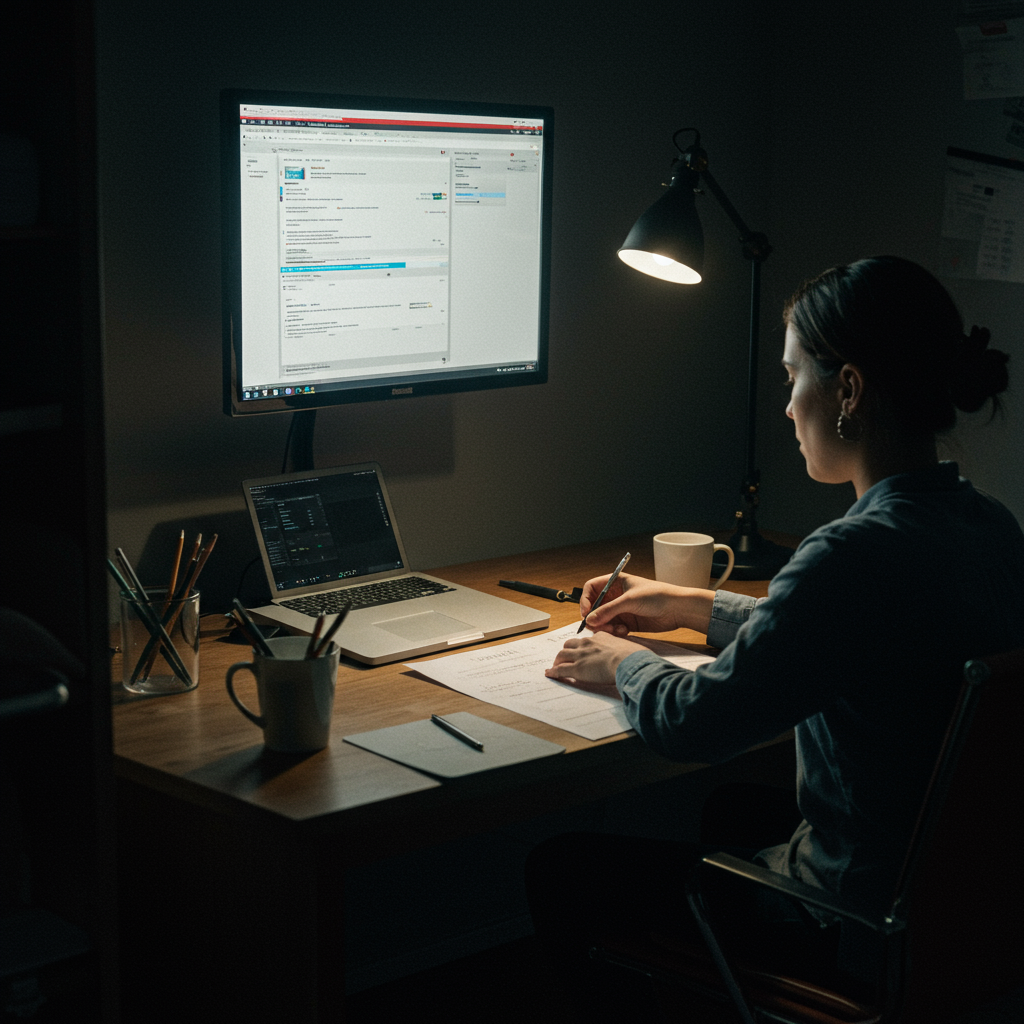
Creating Event Replay Libraries: How to Extend the Lifespan and ROI of Your Events
This article offers a comprehensive methodology for designing, implementing, and managing event replay libraries, a strategic solution that transforms in-person, hybrid, and virtual events into interactive and everlasting content. It covers everything from strategic vision and technical planning to content production, performance measurement, and team building. Through detailed case studies, step-by-step guides, and key performance indicators (KPIs) such as a 250% increase in post-event reach or a 40% reduction in cost per lead, we demonstrate how these digital libraries significantly extend the lifespan and value of every event investment. It is aimed at marketing directors, event organizers, and communications managers who are looking to capitalize on their content and generate long-term business opportunities.
Introduction
In the fast-paced world of corporate events, most of the effort and investment is concentrated in a fleeting moment. Once the lights go down and the attendees leave, the value generated often dissipates. But what if we could capture that energy, that knowledge, and that interaction and transform it into a lasting digital asset? The solution lies in building event replay libraries—sophisticated platforms that go far beyond a simple video recording. These libraries transform event content into an interactive, navigable, and measurable experience, extending its lifespan from days to years and exponentially increasing its return on investment. This approach not only preserves knowledge but also transforms it into a continuous tool for marketing, training, and lead generation.
Our methodology focuses on a complete lifecycle: from event planning with replay in mind, through multi-layered data capture (video, audio, chat, surveys), to post-production and the design of a user experience that fosters discovery and engagement. We will measure success through a set of clear and quantifiable KPIs, including average viewing time per user, lead conversion rate from the library, Net Promoter Score (NPS) of the replay experience, and comparative cost per acquisition (CPA) between the live event and its digital replica. The goal is clear: to demonstrate a tangible increase in reach and cost savings of over 30% in content generation in the medium term.
 loading=”lazy”>
Vision, Values, and Proposal
Focus on Results and Measurement
Our vision is to redefine the event lifecycle, transforming events from ephemeral activity peaks into engines of continuous value. We believe that every event is a goldmine of content that, if structured correctly, can fuel marketing, sales, and training strategies for months or even years. We apply the Pareto principle (80/20), identifying the 20% of sessions or moments that generate 80% of the value for the audience and building the library around them. Our values are based on rigorous measurement, technical excellence, and creating sustainable value for our clients. We adhere to standards such as Web Accessibility (WCAG 2.1 AA) to ensure content is accessible to everyone and to GDPR for impeccable user data management.
- Core Value Proposition: Multiply the ROI of every event by transforming single-use content into everlasting digital assets that generate leads, educate customers, and continuously strengthen the brand.
- Quality Criteria: 4K audiovisual production quality, 99% accurate transcripts, platform load time of less than 2 seconds, and a 99.9% Service Level Agreement (SLA).
- Strategic Decision Matrix: We prioritize projects based on their content reuse potential. An event with multiple tracks, rich Q&A sessions, and dense technical content takes precedence over a single-session networking event, as the potential for an event replay library is exponentially greater.
- Constant Innovation: We research and apply emerging technologies such as artificial intelligence for the automatic generation of chapters, summaries, and personalized content recommendations within the library.
Services, Profiles, and Performance
Portfolio and Professional Profiles
We offer a comprehensive service for the creation and management of event replay libraries. Our portfolio ranges from initial strategic consulting to platform development, content curation, and ongoing performance analysis. This service is designed to maximize post-event value, transforming recordings into interactive and valuable experiences. Key profiles on our team include:
- Event Content Strategist: Defines the information architecture, tagging taxonomy, and content reuse strategy.
- Cloud Solutions Architect: Designs the technical infrastructure to host and distribute video content in a scalable and secure manner.
- User Experience (UX) Designer: Creates an intuitive interface that facilitates content navigation, search, and consumption.
- Video Producer and Post-Production: Manages high-quality capture during the event and edits the material for on-demand consumption.
- Data Analyst: Measures engagement, conversions, and ROI, providing actionable reports for continuous improvement.
Operational Process
- Phase 1: Diagnosis and Strategy (1-2 weeks): Audit of past and future events. Definition of objectives (leads, training, etc.). KPI: Strategic proposal approved with 95% agreement on the objectives.
- Phase 2: Design and Technical Planning (2-3 weeks): Design of the platform architecture and user experience. Production plan for content capture. KPI: Wireframes and functional prototype validated by the client.
- Phase 3: Development and Implementation (4-8 weeks): Platform construction, integration with CRM/LMS and analytics systems. KPI: Budget and schedule deviation of less than 5%.
- Phase 4: Content Production and Curation (during and post-event): Event recording, editing, transcription, tagging, and uploading to the platform. KPI: Time from event completion to content publication in the library less than 48 hours.Phase 5: Launch and Promotion (1 week): Communication campaign to drive traffic to the new replay library. KPI: Launch campaign open rate greater than 25%.
Phase 6: Measurement and Optimization (Ongoing): Monitoring of KPIs, analysis of user behavior, and optimization of the platform and content. KPI: 10% monthly increase in user engagement time.
Tables and Examples
+150 MQLs/month; 4.5% conversion rate.Improve Internal TrainingNew employee onboarding time; Knowledge assessment scores; Employee NPS.Create personalized learning paths; Integrate quizzes and certificates.30% reduction in onboarding time; 15% improvement in scores; NPS > 50.Extend Brand ReachTotal views; Average time spent on site; Social media mentions.Create and share short clips on social media; Optimize content for SEO (transcripts).+300,000 views; Average time spent on site > 8 minutes; 50% increase in mentions.Maximize Event ROI.Cost per Lead (CPL) from the library vs. live event; Lifetime Value (LTV) of generated leads.Multi-touch attribution analysis; Lead tracking in CRM through to sale.40% reduction in CPL; LTV 20% higher than other channels.
| Objective | Key Performance Indicators (KPIs) | Key Actions | Expected Result (within 12 months) |
|---|---|---|---|
| Increase Lead Generation | Number of MQLs (Marketing Qualified Leads) generated; Visitor-to-lead conversion rate. | Integrate lead capture forms into key videos; Offer downloadable content (slides, reports). |

Representation, campaigns and/or production
Professional development and management
The production of a high-quality event replay library begins well before the day of the event. It requires meticulous planning that integrates the needs of live production with the requirements of the digital library. We coordinate all logistical aspects, from selecting audiovisual providers with experience in multi-camera capture and multi-channel audio, to managing venue permits. Our execution schedule is a living document that synchronizes all teams: production, marketing, IT, and speakers, ensuring that every piece of content (slides, supporting videos, real-time survey data) is captured and cataloged correctly for later use.
Critical Pre-Production Checklist:
Documentation: Signed contracts and image rights releases for all speakers and key participants.
Technical Plan: Confirmed video and audio signal flow diagram, including redundancies. Internet bandwidth verified for streaming and file uploads.
- Vendors: Verification of vendor equipment (4K cameras, lavalier and ambient microphones, redundant recording systems).
- Contingency: Plan B for remote speakers (backup connection, local recording). Emergency power plan (UPS) for critical equipment.
Digital Assets: Compilation of all presentations, videos, and graphics in their final version at least 48 hours before the event.
During-Event Coordination:
A “digital-first” producer on-site, whose sole role is to oversee content capture for the library, ensuring that audience reactions, informal questions, and behind-the-scenes content are recorded.
Timecode synchronization between all cameras and audio recorders to facilitate post-production.
Direct capture of data from interactive applications (surveys, Q&A, word clouds) via APIs.
figure
img src=”placeholder-diagrama-gantt.svg” alt=”Gantt chart showing the production schedule of an event replay library.” loading=”lazy”>
This detailed workflow and contingency planning minimize production risks, ensuring complete and high-quality content capture, which is the foundation of a successful event replay library.
Content and/or media that convert
Messages, formats, and conversions in your event replay library
An event replay library is not a passive file; it is an active conversion machine. Content must be repackaged and presented to guide the user toward a desired action.
We use powerful hooks in video titles and descriptions, such as “The 3 Mistakes That Cost Marketing Directors 20% of Their Budget.” We integrate contextual calls to action (CTAs): at the end of a product demonstration, a button appears to “Request a Personalized Demo”; during a strategy session, a “Full Report” is available for download. We conduct A/B testing on video thumbnails, CTA text, and form placement to continuously optimize conversion rates. The key metrics here are the click-through rate (CTR) of video CTAs, the form conversion rate, and the analysis of the user’s “conversion path” within the library.
Post-Event Content Production Workflow:
Ingestion and Transcoding (Responsible: Video Technician): Master recordings are ingested into the editing system. Low-resolution proxies are created to expedite editing, and the final files are transcoded into web-optimized formats.
Editing and Segmentation (Responsible: Video Editor): Each session is edited to eliminate dead time. It is divided into logical chapters based on the content. Graphics, titles, and lower thirds are added.
- Transcription and Subtitling (Responsible: Content Specialist): An automatic transcript is generated, which is then reviewed and corrected by a human to achieve 99% accuracy. Subtitle files (SRT/VTT) are created.
- Metadata Creation and Tagging (Responsible: Content Strategist): Each video is enhanced with an SEO-optimized title, a detailed description, and tagged with topics, speakers, and difficulty level.
- Design of Additional Resources (Responsible: Graphic Designer): PDFs of the slides, checklists, and other downloadable materials mentioned in the session are created.
- Publication and Quality Control (Responsible: Platform Manager): All content is uploaded to the platform. A final review is performed to verify that all elements (video, transcript, CTAs, resources) are functioning correctly.Promotion (Responsible: Marketing Specialist): Short clips and quotes are created for social media. An email is drafted to notify attendees and the database about the new content available.

By structuring content with a focus on conversion, the event replay library aligns directly with business objectives, turning viewers into qualified leads and customers.

Training and Employability
Demand-Driven Catalog
To maximize the value of event replay libraries, it is crucial that internal teams know how to manage, promote, and extract information from them. We offer a modular training catalog designed to empower the various roles involved in the library lifecycle.
- Module 1: Evergreen Content Strategy for Events. Targeted at marketing directors and event managers. Participants will learn to design events with reuse in mind, identify high-value content, and plan a post-event content calendar.Module 2: Managing Video-On-Demand (VOD) Platforms. For platform managers and IT teams. Covers technical management, performance optimization, security, and integration with other tools in the martech stack.
Module 3: Content Production and Curation for Replay. Aimed at video editors and content specialists. Focuses on agile editing techniques, metadata creation, video SEO, and designing supplementary resources.
Module 4: Analyzing and Measuring ROI in Event Content. For data analysts and marketing specialists. It teaches how to set up dashboards, interpret engagement metrics, calculate CPL and ROI, and present impact reports to the business.
Module 5: Promotion and Distribution of Replay Content. For marketing and communications teams. Covers strategies for promoting the library through email marketing, social media, paid advertising, and public relations.
Methodology
Our training methodology is eminently practical (“learning by doing”). Participants work on their own event replay library or a realistic case study. Assessment is based on rubrics that measure the ability to apply the concepts learned to concrete tasks (e.g., creating a promotion plan, setting up an analytics report). Practical exercises include optimizing a real video, creating an email campaign to promote a session, and analyzing a visualization dataset. At the end of the course, participants receive a certificate. For corporate clients, we offer support in defining new roles or adapting existing ones, improving internal employability and autonomy in managing this valuable digital asset.
Operational Processes and Quality Standards
From Request to Execution
Our operational process is designed to be transparent, efficient, and quality-focused. Each project follows a clear pipeline with defined milestones and deliverables, ensuring the client has visibility and control at all times.
- Diagnosis (1 week): Initial session to understand business objectives, the type of events, and the existing technological infrastructure. Deliverable: Project Requirements Document (PRD). Acceptance Criteria: Client’s signature on the Disaster Recovery Plan (DRP).Proposal and Planning (1-2 weeks): Development of a detailed proposal including scope, timeline, budget, and KPIs. Deliverable: Commercial Proposal and Project Plan. Acceptance Criteria: Approval of the proposal and signing of the contract.
Pre-production and Design (2-4 weeks): Design of the library’s UX/UI, detailed technical planning of the event production, and creation of the content taxonomy. Deliverable: Interactive prototype, Technical Production Plan, Information Architecture. Acceptance Criteria: Validation of deliverables by key stakeholders.
Development and Execution (4-10 weeks): Development of the platform, production and capture of the event, post-production, and content curation. Deliverable: Functional platform in a staging environment, content from the first event processed and uploaded. Acceptance Criteria: Passing User Acceptance Testing (UAT), 100% completion of the content quality checklist.
- Launch and Closure (1 week): Deployment of the platform in production, launch of the communication campaign, training session for the client team. Deliverable: Live Event Replay Library, initial performance report, documentation, and training materials. Acceptance Criteria: Successful launch and signing of the project completion certificate.
-
Quality Control
Quality is a fundamental pillar. We implement a rigorous control system at each stage, with clear roles and responsibilities.
- Roles: The Project Manager is ultimately responsible for quality. A Quality Assurance (QA) Engineer performs technical testing. A Content Specialist reviews the quality of each piece of content.Escalation: Any critical deviation (delay > 10%, cost overrun > 5%, blocking platform failure) is immediately escalated to the project steering committee.
Acceptance Metrics and SLAs:
Platform: Availability > 99.9%, page load time < 2s, Google Lighthouse score > 90 for performance and accessibility.
Content: Minimum video quality of 1080p, clear audio without noise (noise level < -60 dB), transcription accuracy > 99%, all metadata complete.
Support: Response time to critical issues < 1 hour.
…ClosureEvent Replay Library in production, Performance ReportCompliance with all KPIs defined in the proposal; Training NPS > 40.Risk: Low user adoption. Mitigation: Robust launch and promotion plan, and a high-impact initial content phase.
Quality Control and Risk Management Matrix Phase Key Deliverables Quality Control Indicators Risks and Mitigation Pre-production Technical Production Plan, UX/UI Prototype 100% stakeholder approval; Usability test score > 8/10. Risk: Unclear requirements. Mitigation: Co-creation workshops and continuous validation with the client. Execution (Event Production) Master recordings (video, audio), interaction data Redundant, fault-tolerant recording; Audio and video quality verified in real time. Risk: Equipment failure. Mitigation: Backup equipment for all critical components (cameras, microphones, recorders). Execution (Development) Platform in a staging environment 0 critical or blocking bugs; >95% coverage in automated tests. Risk: Development delays. Mitigation: Agile methodology with 2-week sprints and frequent reviews.
Case Studies and Application Scenarios
Case 1: “FutureTech Summit 2023” Global Technology Conference
Challenge: An annual 3-day event with over 5,000 in-person and 10,000 virtual attendees. The client, a multinational software company, invested over €2 million, but the impact faded after a week. The goal was to capture qualified leads throughout the year and continuously position the company as a thought leader.
Solution: We designed and implemented a “FutureTech Summit Replay Library.” During the event, we captured eight simultaneous 4K content streams, including all sessions, workshops, and Q&A panels. We integrated data from the event app to link questions and surveys to each session. The platform was designed with advanced semantic search, allowing users to search by speaker, topic, or even by phrases mentioned in the presentations thanks to indexed transcripts. A freemium model was implemented: 10 key sessions were open to the public, while full access required a lead registration. The project was completed in 12 weeks, at a cost of €150,000.
Results:
Lead Generation: An additional 4,500 MQLs were generated through the library in the first 6 months, with a CPL of €33, 70% lower than the CPL of the live event.
Reach and Engagement: The event content reached an additional 50,000 unique users, tripling the total reach. The average viewing time on the platform was 22 minutes.
ROI: The sales pipeline attributed to library leads exceeded €3 million in 12 months, generating an ROI of over 20x on the platform investment. The ADR of these leads was 15% higher.
- Roles: The Project Manager is ultimately responsible for quality. A Quality Assurance (QA) Engineer performs technical testing. A Content Specialist reviews the quality of each piece of content.Escalation: Any critical deviation (delay > 10%, cost overrun > 5%, blocking platform failure) is immediately escalated to the project steering committee.
Case 2: Corporate Onboarding Program for “Innovate Pharma”
Challenge: A rapidly growing pharmaceutical company needed to standardize and scale its onboarding process for new employees distributed across different continents. The traditional process, based on in-person training and repetitive webinars, was costly, inconsistent, and difficult to manage.
Solution: We transformed their annual “Welcome Week” into an asynchronous training event replay library. We recorded all the key sessions presented by company leaders once with high production quality. Each session was enhanced with interactive chapters, knowledge quizzes, and links to relevant internal documentation. Customized learning paths were created for each department (Sales, R&D, Marketing). The platform was integrated with their Learning Management System (LMS) for centralized tracking.
Results:
Cost Efficiency: 60% reduction in travel and logistics costs for trainers and new employees, saving approximately €400,000 per year.
Time and Quality: Onboarding time was reduced from 4 weeks to 2.5 weeks, allowing new employees to become productive more quickly. El NPS de la experiencia de onboarding aumentó de 25 a 65.
- Escalabilidad: La empresa pudo contratar a un 40 % más de personal sin aumentar el presupuesto de formación, soportando su plan de expansión global.
Caso 3: Lanzamiento de Producto para “SaaSify Creative Suite”
Desafío: Una empresa de software como servicio (SaaS) lanzaba una nueva versión de su suite creativa. Querían maximizar el impacto de su webinar de lanzamiento y convertir el interés inicial en pruebas de producto (trials) y suscripciones.
Solución: Creamos una “micro-biblioteca” de lanzamiento. El webinar principal se dividió en capítulos cortos centrados en cada nueva funcionalidad. Cada capítulo incluía un CTA directo para “Probar esta función ahora”, que llevaba al usuario a un entorno de prueba preconfigurado. Además, se añadieron tutoriales cortos y testimonios de beta-testers. La biblioteca se utilizó como el destino principal de toda la campaña de marketing post-lanzamiento.
Resultados:
- Tasa de Conversión: La tasa de conversión de espectador de la repetición a prueba de producto fue del 12 %, el doble que la tasa de conversión de los asistentes en vivo.
- Aceleración del Ciclo de Venta: Los usuarios que interactuaban con 3 o más vídeos en la biblioteca tenían un ciclo de venta un 30 % más corto que el promedio.
- Inteligencia de Producto: El análisis de qué vídeos de funcionalidades eran los más vistos proporcionó información valiosa al equipo de producto sobre las características más populares, guiando la futura hoja de ruta de desarrollo. Esta implementación de una event replay library se convirtió en el estándar para todos sus lanzamientos futuros.
Guías paso a paso y plantillas
Guía 1: Checklist para Planificar un Evento “Replay-First”
Planificar un evento pensando desde el principio en su biblioteca de repetición cambia la forma de abordar la producción. Siga esta guía para asegurar el éxito.
- Fase Estratégica (3 meses antes):
- Definir los objetivos de la event replay library (¿leads, formación, comunidad?).
- Identificar la audiencia objetivo para la repetición (puede ser diferente a la del evento en vivo).
- Esbozar la arquitectura de la información: ¿cómo se organizarán los contenidos? (por tema, por ponente, por nivel).
- Presupuestar los costes adicionales para la captura de alta calidad y la plataforma.
- Fase de Contenido y Ponentes (2 meses antes):
- Informar a todos los ponentes que sus sesiones serán grabadas para una biblioteca bajo demanda.
- Obtener cesiones de derechos de imagen por escrito.
- Pedir a los ponentes que diseñen sus diapositivas con la visualización en vídeo en mente (menos texto, más visuales).
- Planificar momentos interactivos (encuestas, Q&A) que funcionen bien tanto en vivo como en la repetición.
- Fase Técnica y de Producción (1 mes antes):
- Contratar a un equipo audiovisual con experiencia en grabación multicámara y multicanal.
- Realizar una visita técnica al lugar para planificar la ubicación de cámaras, la iluminación y la acústica.
- Verificar la conectividad a internet para una subida de archivos estable.
- Diseñar los elementos gráficos para la postproducción (tercios inferiores, transiciones, etc.).
- Elegir y configurar la plataforma que alojará la biblioteca.
- Fase de Ejecución (Día del evento):
- Tener un productor dedicado exclusivamente a supervisar la grabación para la biblioteca.
- Grabar “audio limpio” de cada ponente desde un micrófono lavalier, además del audio de la sala.
- Grabar planos de reacción del público para dar dinamismo a la edición.
- Exportar todos los datos de interacción (chats, preguntas, resultados de encuestas).
- Fase Post-Evento (1ª semana después):
- Realizar copias de seguridad de todo el material grabado en al menos dos ubicaciones.
- Iniciar el proceso de ingesta y edición de las sesiones prioritarias.
- Enviar un correo a los asistentes anunciando cuándo y dónde estará disponible la repetición.
Guía 2: Proceso para Medir el ROI de su Event Replay Library
- Paso 1: Calcular la Inversión Total (I). Sume todos los costes asociados a la biblioteca:
- Coste de la plataforma (desarrollo o licencia anual).
- Costes incrementales de producción audiovisual (cámaras/personal extra).
- Costes de postproducción (edición, transcripción).
- Costes de personal para la gestión y curación.
- Costes de promoción de la biblioteca.
- Paso 2: Calcular el Retorno Financiero Directo (R). Atribuya el valor monetario a las acciones generadas:
- Valor de los Leads: (Número de MQLs generados) x (Tasa de conversión de MQL a cliente) x (Valor de Ciclo de Vida del Cliente – LTV).
- Ventas Directas: Si la biblioteca incluye opciones de compra directa (p. ej., cursos, entradas a futuros eventos), sume los ingresos.
- Paso 3: Calcular el Retorno por Ahorro de Costes (A). Cuantifique los ahorros generados:
- Ahorro en Formación: (Coste de formación presencial por empleado) x (Número de empleados formados vía biblioteca).
- Ahorro en Creación de Contenido: Estime el coste que habría supuesto crear como artículos de blog, vídeos o webinars el contenido extraído de la biblioteca.
- Paso 4: Calcular el ROI. Use la fórmula:ROI (%) = [ ( (R + A) – I ) / I ] * 100
Un ROI superior al 100 % indica que la biblioteca ha generado más valor del que ha costado.
- Paso 5: Analizar Métricas de Engagement. Aunque no son directamente financieros, estos KPIs indican la salud y el valor futuro de la biblioteca:
- Tiempo total de visualización.
- Número de sesiones por usuario.
- Tasa de finalización de vídeo.
- Búsquedas más populares dentro de la plataforma.
Guía 3: Plantilla de Taxonomía de Contenidos para una Biblioteca de Eventos
Una buena taxonomía es crucial para que los usuarios encuentren contenido relevante. Use esta plantilla como punto de partida.
- Tipo de Contenido (Campo Principal):
- Sesión Principal (Keynote)
- Taller Práctico (Workshop)
- Panel de Discusión
- Entrevista
- Demostración de Producto
- Sesión de Preguntas y Respuestas (Q&A)
- Tema/Categoría (Campo Múltiple):
- Marketing y Ventas
- Tecnología y Desarrollo
- Liderazgo y Gestión
- Recursos Humanos y Cultura
- Finanzas y Operaciones
- … (personalizar según la temática del evento)
- Nivel de Dificultad (Campo Único):
- Introductorio (Nivel 100)
- Intermedio (Nivel 200)
- Avanzado (Nivel 300)
- Experto (Nivel 400)
- Ponente(s) (Campo de Relación):
- Enlaza al perfil de cada ponente, que puede incluir su biografía, redes sociales y otras sesiones en la biblioteca.
- Industria de Aplicación (Campo Múltiple):
- Software / SaaS
- Salud / Farmacéutica
- Retail / E-commerce
- Servicios Financieros
- Educación
- Año del Evento (Campo Único):
- 2023
- 2024
- …
Recursos internos y externos (sin enlaces)
Recursos internos
- Plantilla de Plan de Proyecto para la Creación de Event Replay Libraries.
- Checklist de Control de Calidad de Contenido de Vídeo.
- Modelo de Contrato de Cesión de Derechos de Imagen para Ponentes.
- Guía de Estilo para la Producción de Gráficos en Vídeo.
- Dashboard de KPIs en Google Data Studio para el seguimiento del rendimiento.
- Catálogo de Proveedores Audiovisuales Recomendados.
Recursos externos de referencia
- Normativa General de Protección de Datos (GDPR) de la Unión Europea.
- Pautas de Accesibilidad para el Contenido Web (WCAG) 2.1.
- Estándares de codificación de vídeo H.264 y H.265 (HEVC).
- Guías de buenas prácticas de SEO para vídeo publicadas por Google.
- Informe de Benchmarks de Marketing de Contenidos del Content Marketing Institute.
Preguntas frecuentes
¿Cuál es el coste aproximado de crear una event replay library?
El coste varía significativamente según la escala. Una micro-biblioteca para un webinar puede costar entre 2.000 € y 5.000 €. Una biblioteca para una conferencia de tamaño medio puede oscilar entre 20.000 € y 70.000 €. Para una gran cumbre global, la inversión puede superar los 150.000 €, incluyendo el desarrollo de una plataforma a medida y una producción de alta gama. Los factores clave son el número de sesiones, la calidad de producción requerida y la complejidad de la plataforma (integraciones, personalización).
¿Cuánto tiempo se tarda en tener la biblioteca disponible después de un evento?
Nuestro objetivo estándar es tener las sesiones clave disponibles en 24-48 horas. La biblioteca completa, con todas las sesiones editadas, transcritas y enriquecidas con metadatos, suele estar lista en un plazo de 1 a 2 semanas, dependiendo del volumen de contenido. Para proyectos con plazos críticos, podemos implementar flujos de trabajo de edición en tiempo real para reducir este tiempo.
¿Nuestra plataforma de eventos virtuales no hace ya esto?
La mayoría de las plataformas de eventos virtuales ofrecen una función de “replay” básica, que suele ser una lista de grabaciones pasivas. Una event replay library es mucho más: es un destino de contenido curado, con búsqueda avanzada, capítulos interactivos, recursos descargables, rutas de aprendizaje y CTAs para la conversión. Está diseñada para el consumo a largo plazo y la generación de valor continuo, no solo para ver una grabación.
¿Cómo se gestionan los derechos de autor y la privacidad de los ponentes y asistentes?
Este es un punto crítico. Gestionamos esto de forma proactiva. Todos los ponentes deben firmar un formulario de cesión de derechos de imagen que especifica claramente cómo se utilizará su contenido. Para los asistentes, las políticas de privacidad del evento deben indicar que las sesiones y las interacciones públicas (como preguntas en el chat) pueden ser grabadas y publicadas. Las preguntas anónimas o privadas no se publican, y siempre difuminamos los rostros de los asistentes en los planos generales si no tenemos su consentimiento explícito.
¿Se puede integrar la biblioteca con nuestras herramientas actuales como Salesforce o HubSpot?
Sí, la integración es fundamental. Nuestras soluciones están diseñadas para integrarse a través de APIs con los principales CRMs, plataformas de automatización de marketing y sistemas de gestión de aprendizaje (LMS). Esto permite, por ejemplo, que un nuevo lead captado en la biblioteca se cree automáticamente en Salesforce, se añada a una campaña de nurturing en HubSpot y se le asigne una puntuación basada en el contenido que ha consumido.
Conclusión y llamada a la acción
En resumen, los eventos ya no tienen por qué ser momentos fugaces con un impacto limitado. Mediante la implementación estratégica de event replay libraries, las organizaciones pueden transformar cada conferencia, seminario web o formación en un activo digital perenne y de alto rendimiento. Como hemos visto, los beneficios son tangibles y medibles: desde una drástica reducción del coste por lead y un aumento exponencial del alcance, hasta la mejora de la formación interna y la aceleración de los ciclos de venta. Este enfoque no es simplemente una mejora tecnológica; es un cambio de paradigma en la estrategia de contenidos y eventos.
Dejar que el valioso contenido de sus eventos se pierda en el éter digital ya no es una opción viable. El siguiente paso es evaluar su estrategia actual y descubrir el potencial sin explotar de sus contenidos. Le invitamos a contactarnos para una auditoría gratuita de su estrategia de eventos. Juntos, podemos diseñar un plan para construir una event replay library que no solo extienda la vida de sus eventos, sino que los convierta en el motor de su crecimiento a largo plazo.
Glosario
- Event Replay Library
- Plataforma digital que aloja, organiza y presenta el contenido de eventos pasados (vídeos, diapositivas, transcripciones) de una manera interactiva, navegable y enriquecida para su consumo bajo demanda.
- ROI (Return on Investment)
- Métrica financiera que mide la rentabilidad de una inversión. Se calcula como (Ganancia – Inversión) / Inversión.
- MQL (Marketing Qualified Lead)
- Un prospecto que ha mostrado interés en los productos o servicios de una marca y que es más propenso a convertirse en cliente que otros leads, según los criterios definidos por el equipo de marketing.
- Asíncrono
- Comunicación o aprendizaje que no ocurre en tiempo real. En el contexto de las bibliotecas de repetición, permite a los usuarios consumir el contenido a su propio ritmo y conveniencia.
- Taxonomía de Contenido
- Sistema de clasificación y etiquetado utilizado para organizar el contenido de manera lógica y coherente, facilitando su búsqueda y descubrimiento por parte de los usuarios.
- WCAG (Web Content Accessibility Guidelines)
- Pautas internacionales que explican cómo hacer el contenido web más accesible para personas con discapacidades.
Internal links
- Click here👉 https://uk.esinev.education/masters/
- Click here👉 https://uk.esinev.education/diplomates/
External links
- Princeton University: https://www.princeton.edu
- Massachusetts Institute of Technology (MIT): https://www.mit.edu
- Harvard University: https://www.harvard.edu
- Stanford University: https://www.stanford.edu
- University of Pennsylvania: https://www.upenn.edu