
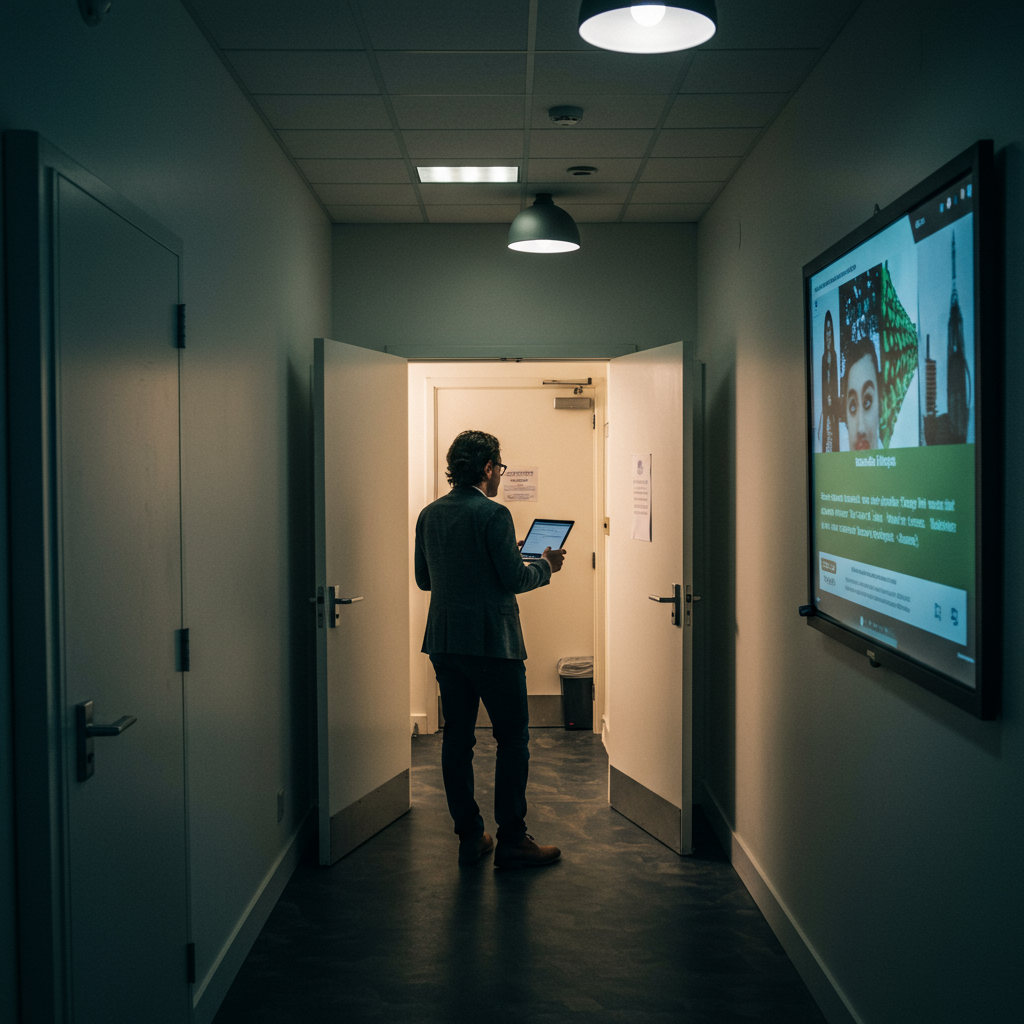
Elevating Events: How Professional Speaker Green Room Services Reduce Risk and Improve Performance
In the high-stakes world of corporate events, conferences, and product launches, the performance of a speaker can define success. Yet, the critical moments before they step on stage are often overlooked. This article explores the strategic importance of professional speaker green room services as a fundamental tool for risk mitigation and quality assurance. We will delve into how a meticulously managed backstage environment—far more than a simple waiting area—directly translates into enhanced speaker confidence, flawless delivery, and a stronger event ROI. We will outline specific services, operational processes, and key performance indicators (KPIs) such as speaker Net Promoter Score (NPS), schedule adherence above 98%, and the reduction of technical faults to below 1%. This content is essential for event planners, corporate communication managers, and production houses aiming to protect their investment and elevate their event from good to unforgettable.
Introduction
The success of any major event often hinges on a few crucial moments, most notably the keynote addresses and high-impact presentations. A speaker’s ability to connect, persuade, and inspire an audience is a primary driver of event value. However, this performance is the culmination of countless factors, many of which occur behind the scenes. The critical link between backstage preparation and on-stage excellence is a professionally managed green room. Far from being a mere logistical afterthought, dedicated speaker green room services are a proactive form of risk management. They create a controlled, supportive environment that addresses a speaker’s technical, logistical, and personal needs, systematically eliminating variables that could otherwise lead to a lackluster or problematic presentation. This approach ensures that your most valuable assets—your speakers—are mentally prepared, technically confident, and physically comfortable, allowing them to deliver their best performance.
Our methodology focuses on a holistic approach to speaker nervous care, treating the green room as the central system for all presenter-related activities. We measure success through a combination of qualitative and quantitative KPIs. These include achieving a Speaker Net Promoter Score (NPS) of +50 or higher, ensuring 100% adherence to technical rider specifications, maintaining a schedule deviation of less than 2%, and receiving post-event customer satisfaction scores above 95%. By standardizing processes from pre-event communication to on-site execution and post-event debriefing, we provide a reliable, scalable service that protects brand reputation and maximizes the return on your significant investment in talent.
Vision, values and proposal
Focus on results and measurement
Our mission is to transform the backstage experience from a logistical necessity into a strategic advantage that guarantees speaker excellence and event success. We operate on the core values of proactivity, discretion, meticulous attention to detail, and a data-driven approach to service delivery. We apply the 80/20 principle by focusing on the 20% of services that prevent 80% of common speaker-related issues, such as technical glitches, scheduling conflicts, and unmet hospitality needs. Our operations adhere to leading industry standards, including principles from ISO 20121 for sustainable event management and stringent health and safety protocols, ensuring a responsible and professional environment for all talent and staff.
- Risk reduction: Proactively identifying and mitigating potential issues before they impact the speaker or the event schedule, from technical failures to travel disruptions.
- Improving speaker performance: Creating an optimal environment for focus and preparing leads to more dynamic, engaging, and impactful presentations.
- Improving brand reputation: Demonstrating a high level of care for speakers enhances an organization’s reputation, making it easier to attract top-tier talent for future events.
- Operational efficiency: A single, expert point of contact for all speakers needs streamlines communication and logistics, freeing up the event organizer to focus on other critical areas.
- ROI measurable:The value is measured through KPIs like improved audience engagement scores, reduced delays, and positive speaker feedback, which directly correlate to event success and future attendance.
Services, profiles and performance
Portfolio and professional profiles
Our comprehensive suite of speaker green room services is designed to cover every aspect of a presenter’s journey, from initial booking to post-event departure. These services are delivered by a specialized team, including Speaker Liaisons who act as a dedicated concierge, Technical Support Specialists proficient in all presentation software and A/V hardware, and Hospitality Managers who oversee comfort and catering. Our portfolio includes pre-event coordination (managing travel, accommodation, and technical/hospitality riders), on-site reception and welcome, a full technical check and rehearsal in a mirrored environment, personalized comfort and hospitality services (catering to all dietary and environmental needs), precise schedule management with timely cues, and secure handling of personal belongings.
Operational process
- Phase 1: Needs Assessment and Rider Analysis (T-30 days): We conducted a thorough review of each speaker’s contract and rider, creating a detailed fulfillment plan. KPI: Rider Compliance Score > 98%.
- Phase 2: Pre-event logistics coordination (T-14 days): We confirm all travel, accommodation, and ground transportation details, providing the speaker and their team with a consolidated itinerary. KPI: 100% on-time speaker arrivals.
- Phase 3: On-site environment setup (T-24 hours): The green room is prepared to exact specifications, including technical setup, ambiance (lighting, temperature at 21 °C), and hospitality. KPI: Pre-event setup audit score of 100%.
- Phase 4: Speaker management and support (Day of the event): Our team provides end-to-end support, from a personal welcome to technical rehearsals and escort to the stage. KPI: Speaker Net Promoter Score (NPS) > +50.
- Phase 5: Closing and post-event feedback (T+2 days): We conduct a debrief with the speaker or their agent and provide a detailed report to the client, including KPI analysis and recommendations. KPI: Generation of > 3 actionable insights per event.
Tables and examples
Ensure perfect punctualitySchedule deviation <2 minutes; 100% on-time transitionsProactive time management with 30, 15, and 5-minute reminders; direct communication with the stage managerThe event runs as planned, maintaining audience engagement and professionalism.Provide exceptional hospitalitySpeaker satisfaction score > 4.8/5; 100% rider requests fulfilledPre-confirmation of dietary and comfort preferences; Stock of items of personal preference.
The speaker feels valued and cared for, which improves their mood and performance.
Ensuring privacy and security.
Zero unauthorized interruptions; 100% compliance with security protocols.
Strict access control to the green room. Dedicated security personnel for high-profile speakers
A secure environment where the speaker can concentrate without distractions or security concerns.
… We handle all logistical aspects related to the speaker, acting as the central hub of communication between the speaker’s team, the event producer, the technical director, and the stage manager. This includes managing complex ground transportation schedules, coordinating with hotel concierge services for special requests, and arranging security details for high-profile individuals. We manage all necessary documentation, such as confirming presentation slide formats, obtaining media releases, and ensuring any required permits or credentials are in place long before the speaker arrives on site.
Documentation Checklist: Signed contract, rider received and approved, biography and headshot for marketing, media release form, final confirmed itinerary.
Transportation Contingency Plan: Mapped alternative routes, backup vehicles on standby, direct contact with drivers, GPS tracking.
Technical Contingency Plan: Backup presentation laptop with necessary software, spare microphone set (handheld and lavalier), duplicate remote control, fresh batteries.
Communication Protocol: Dedicated communication channel (e.g., a WhatsApp group or Slack channel) for the core team (liaison with the speaker, stage manager, producer) for real-time updates real.
- Medical Response: First aid personnel informed of the location of the green room, basic medical kit in the room, knowledge of the speaker’s allergies.

| Objective | Indicators | Actions | Expected result |
|---|---|---|---|
| Eliminate technical stress for the presenter | Number of technical problems during the presentation < 1; Presenter confidence level > 9/10 | Mandatory technical rehearsal with the final equipment; dedicated A/V technician in the green room | Smooth and uninterrupted presentation; The speaker focuses solely on the content and the audience. |
Content and/or Media that Convert
Messages, Formats, and Conversions
The ultimate goal of any presentation is to deliver content that converts—whether that conversion is a sale, a shift in perspective, or an increase in brand loyalty. The environment in which a speaker prepares has a direct and measurable impact on the quality of that content delivery. A calm, focused speaker is more likely to remember key messages, deliver lines with appropriate emotional tone, and interact authentically with the audience. Our speaker green room services are designed to be a content quality assurance tool. By providing a quiet space for last-minute rehearsals, a confidence monitor to practice with, and freedom from logistical distractions, we empower speakers to focus 100% on their message. This focus translates into higher audience engagement scores (measured via event apps), increased social media amplification of key quotes, and better lead capture from session-specific calls to action (CTAs).
Final Content Review: The speaker liaison reviews the final presentation with the speaker to check for formatting or embedded video issues.
Technical and Pacing Rehearsal: A reliable monitor and timer are provided so the speaker can practice their pacing and become familiar with the slide progression.
Mental and Vocal Preparation: A quiet space is created for meditation or concentration. Hot beverages such as herbal tea and room temperature water are provided for vocal preparation.
- Final briefing: The speaker is informed of any last-minute changes to the program, the length of the Q&A session, or stage manager cues.
- Smooth transition to stage: The liaison escorts the speaker to the stage, ensuring a smooth and timely transition that maintains their focus.

Training and employability
Catalog geared towards demand
To ensure the highest level of service, we believe in rigorous training for all personnel involved in speaker management. Our internal training program equips our team with the skills necessary to handle the unique pressures and requirements of managing high-profile talent. This focus on specialized skills increases the employability of our staff within the premium event management sector.
Module 1: Presenter Psychology and VIP Management: Understanding a presenter’s mindset, managing anxiety, and techniques for building trust and rapport.
Module 2: Technical Troubleshooting for Presenters: Quickly diagnosing common A/V problems (microphones, projectors, presentation software) and applying immediate solutions.
Module 3: Crisis Management and De-escalation: Protocols for managing medical emergencies, security issues, last-minute cancellations, and difficult speakers.
Module 4: Logistics and Advanced Rider Fulfillment: Breaking down complex contracts and riders, negotiating requests, and executing flawless logistics plans.
- Module 5: Communication and Discretion Protocol: The art of invisible communication, the importance of confidentiality, and maintaining professional boundaries.
Methodology
Our training methodology combines theoretical knowledge with practical, scenario-based learning. Trainees are evaluated using detailed rubrics in mock green room environments, where they must solve real-world problems under pressure. Successful completion leads to a certification recognized for its high standards. We also foster career development by providing opportunities for our staff to work on increasingly complex events, creating a clear path for advancement within the organization and the wider industry.
Operational Processes and Quality Standards
From Request to Execution
Our operational pipeline is a structured, five-stage process that ensures consistency, transparency, and quality control from the initial client contact to the final report.
- Diagnosis and Scope: We analyze the client’s needs, the speakers’ profiles, and the complexity of the event to define the scope of service. The deliverable is a detailed proposal and a Statement of Work (SOW). Acceptance criterion: signed SOW.
- Planning and Pre-Production: Our team creates a detailed project plan, allocates resources, contacts the speakers’ teams, and begins executing the rider fulfillment plan. The deliverable is a Speaker Operations Manual. Acceptance criterion: Client approval of the manual 48 hours before the event.On-site execution: The green room team deploys to the venue, prepares the environment, and manages all speakers according to the plan. The deliverable is the smooth execution of all scheduled tasks. Acceptance criterion: Real-time compliance with the operations checklist.
Monitoring and control: Throughout the event, the team leader monitors operations, manages any deviations, and acts as the single point of contact for the client. The deliverable is hourly status reports. Acceptance criterion: Deviation from the plan of less than 5%.
Closure and reporting: We gather feedback from speakers and the client, analyze KPI performance data, and deliver a comprehensive post-event report. The deliverable is the Final Event Report. Acceptance Criteria: Delivery within 5 business days.
Quality Control
- Defined Roles: Each team member has clearly defined responsibilities to avoid overlap and ensure accountability.
- Escalation Protocol: A clear chain of command for decision-making, ensuring that issues are resolved quickly at the appropriate level.
- Acceptance Indicators: Each key deliverable has predefined acceptance criteria that must be approved by the client.
- Service Level Agreements (SLAs): Specific SLAs, such as a response time of <5 minutes to any speaker request, guarantee consistent service.
Green Room Setup Checklist 100% Complete; All speakers complete technical rehearsal on time.Risk: Speaker flight delay. Mitigation: Pre-approved contingency plan (e.g., rearrange agenda, prepare a remote presentation option).Post-Event:Speaker Satisfaction Survey; Final KPI Report for ClientSurvey Response Rate > 80%; Report delivered within 5 business days.Risk: Negative feedback from speaker. Mitigation: Immediate debriefing process to understand the problems and document lessons learned for continuous improvement.
| Phase | Deliverables | Control Indicators | Risks and Mitigation |
|---|---|---|---|
| Pre-production | Rider Compliance Plan; Consolidated Speaker Itinerary | 100% Confirmation of Rider Points 7 Days Before the Event; Final Itinerary Distribution 72 Hours Before. | Risk: The speaker’s rider is unrealistic. Mitigation: Proactive negotiation with the agent to find viable alternatives. |
| On-site Execution | Fully Functional Green Room; Technical Rehearsals Completed |
Application Cases and Scenarios
Case 1: Large-Scale International Technology Conference
Challenge: Managing over 60 high-level speakers, including CEOs of Fortune 500 companies and renowned academics, at a three-day event with five simultaneous stages. Challenges included managing time zones, highly specific riders, and a very tight schedule.
Solution: We implemented a centralized Speaker Operations Center (SOC) that acted as a command center. We created a tiered green room system: an exclusive VIP room for keynote speakers with complete privacy and security, and secondary green rooms for speakers in the working sessions. Each speaker was assigned a personal link and provided with a customized schedule via a mobile event app with push notifications for upcoming call times.
Results: 98% program adherence was achieved across all sessions. The average Net Promoter Score (NPS) for speakers was +65, and many cited the “perfect” and “stress-free” support as a highlight of their experience. No technical issues were attributed to speaker preparation. The ROI was demonstrated through the client’s ability to secure the return of 80% of their top-tier speakers for the following year’s event, citing speaker experience as a key factor.
Case 2: Launching a High-Risk Consumer Product
Challenge: A consumer technology client was launching their flagship product. The event featured the CEO and a celebrity presenter. Confidentiality and security were paramount to prevent leaks, and the technical demonstration had to be flawless.
Solution: A green room was set up off-site in a nearby hotel to ensure maximum privacy. Secure and discreet transportation to the event venue was arranged. All green room staff signed strict confidentiality agreements. An exact replica of the stage’s technical setup was built in the green room so the CEO and the celebrity could rehearse the live demonstration multiple times in an identical environment.
Results: A 100% media blackout was maintained prior to the official announcement. The live demonstration ran smoothly, generating overwhelmingly positive sentiment analysis across social media and the press. The client attributed the launch’s success to the confidence and preparedness the presenters gained during the stress-free, private rehearsals, resulting in an estimated 25% increase in positive media coverage compared to previous launches.
Case 3: Hybrid Medical Congress
Challenge: Simultaneously coordinate 30 in-person and 45 remote speakers from around the world. The main risk was ensuring consistent production quality and support for both groups, and creating seamless transitions between live and virtual presentations.
Solution: Two specialized teams were created. The first managed the traditional physical green room for in-person speakers. The second managed a “virtual green room” via a dedicated video platform. This virtual team conducted individual technical checks with each remote speaker days before the event, offering advice on lighting, camera positioning, and audio quality. On the day of the event, they brought each remote speaker into the virtual room 30 minutes before their session for a final technical check and briefing.
Results: Transitions between remote and in-person speakers were seamless, with downtime of less than 10 seconds. The average satisfaction score for remote speakers was 4.9 out of 5, with many praising the technical support that made them feel as important as the in-person speakers. The event maintained high audience engagement, with a drop of less than 5% during transitions between formats.
Case Study 4: IPO (Initial Public Offering) Presentation Tour
Challenge: Supporting a management team during a grueling 10-day, 8-city IPO presentation tour. The goal was to minimize fatigue, maximize productivity, and ensure a consistent and polished presentation at every investor meeting.
Solution: We developed a mobile “green room kit” that traveled with the team. This kit included essential connectivity equipment (5G router, universal chargers), a high-quality printer for last-minute documents, a standardized assortment of the team’s preferred healthy snacks and beverages, and comfort supplies. A single speakers liaison traveled with the team, coordinating with staff at each venue (hotels, investment bank offices) to prepare a private room to the exact specifications before the team’s arrival. This liaison managed the program, protected the team from interruptions, and ensured they had downtime.
Results: The management team reported a reduction of over 30% in travel-related stress. Feedback from investor meetings was overwhelmingly positive, with frequent references to the management team’s “energy and focus.” The speakers’ liaison intercepted and resolved over 50 potential logistical issues (e.g., room changes, projector problems, catering requests) before they impacted executives, allowing the team to focus solely on raising capital.
Step-by-Step Guides and Templates
Guide 1: Checklist for Setting Up the Perfect Green Room
- Location Selection: Choose a room close to the stage but isolated from audience noise and backstage traffic. Ensure it is private and has controlled access. Check that there is no noise from the HVAC systems or adjacent rooms.
- Facilities and furnishings: Provide comfortable seating (a mix of sofas and office chairs), tables at the appropriate height, adjustable lighting (avoid harsh fluorescents), and room-specific temperature control (the target is 21-22°C).
- Technical setup: Provide a dedicated, high-speed Wi-Fi network with the password clearly visible. Set up a universal charging station with cables for all major devices. Include a reliable monitor that reflects the stage setup. Have a high-quality speaker to play event audio at a low volume.
- Hospitality and catering: Offer a variety of beverages, including room temperature and sparkling water, decaffeinated and regular coffee, and herbal teas. Provide a mix of healthy snacks (fruit, nuts, protein bars) and a few more indulgent options. Confirm all allergies and dietary requirements at least one week in advance.Comfort Amenities: Have a comfort kit on hand that includes a full-length mirror, garment steamer, sewing kit, pain relievers, lozenges, and tissues.
Staff and Security: Assign a dedicated speaker liaison who will be the single point of contact. Ensure security personnel are informed of who has access to the room. Tenga un plan para guardar de forma segura los objetos personales durante la presentación del ponente.
Guía 2: Cómo leer y cumplir con el rider de un ponente
- Desglose y categorice: Inmediatamente después de recibir el rider, divídalo en categorías: Técnico (tipo de micrófono, requisitos del proyector), Hospitalidad (comida, bebida, temperatura de la sala), Viaje (clase de vuelo, tipo de coche), y Seguridad (necesidad de detalles de protección).
- Evalúe la viabilidad y el presupuesto: Revise cada punto en función de las capacidades de su lugar y de su presupuesto. Marque cualquier petición que sea inusualmente cara, logísticamente imposible o que esté fuera del alcance de su acuerdo.
- Aclare y negocie: Póngase en contacto proactivamente con el agente o el gestor del ponente para aclarar cualquier punto ambiguo. Si una petición no es factible, ofrezca una alternativa razonable. Por ejemplo, si solicitan una marca de agua específica que no está disponible localmente, ofrezca una selección de otras marcas de primera calidad. Documente todos los acuerdos por escrito.
- Cree un plan de acción: Convierta el rider final acordado en una lista de tareas. Asigne cada punto a un miembro del equipo o a un proveedor (por ejemplo, el catering se encarga de la comida, el equipo de A/V de los técnicos) con plazos claros.
- Confirme antes de la llegada: 24-48 horas antes de la llegada del ponente, realice una auditoría final para asegurarse de que todos los elementos del rider están en su sitio. Envíe una breve nota de confirmación al equipo del ponente para asegurarles que todo está preparado.
Guía 3: Protocolo de gestión de crisis para incidentes relacionados con ponentes
- Paso 1: Identificar y evaluar: Determine la naturaleza del incidente: Médico (el ponente no se encuentra bien), Técnico (fallo del ordenador o del micrófono), Viaje (vuelo cancelado), Personal (emergencia familiar) o Logístico (el ponente se pierde). Evalúe el impacto inmediato en el programa del evento.
- Paso 2: Comunicación y escalada inmediata: Notifique discretamente al director del evento y al director de escena a través de un canal de comunicación preestablecido. No utilice radios abiertas. El enlace del ponente se queda con el ponente para ofrecerle su apoyo.
- Paso 3: Activar el plan de contingencia: En función del problema, ponga en marcha el plan predefinido.
- Médico: Avise al personal médico del lugar.
- Técnico: Despliegue el equipo de reserva.
- Viajes: Active las opciones de viaje de reserva o cambie a un formato de presentación a distancia si está preparado.
- Personal/Cancelación: Prepare al ponente de reserva o anuncie un cambio de horario/una sesión grabada.
- Paso 4: Gestionar la comunicación externa: El director del evento o el jefe de comunicaciones debe gestionar toda la comunicación con la audiencia. Proporcione información clara y concisa sin entrar en detalles innecesarios.
- Paso 5: Análisis posterior al incidente: Después del evento, realice una reunión para analizar qué funcionó, qué no funcionó y cómo se puede mejorar el protocolo de crisis para futuros eventos.
Recursos internos y externos (sin enlaces)
Recursos internos
- Plantilla de paquete de bienvenida para ponentes
- Lista de control de inventario estándar de la sala verde
- Plantilla de formulario de opinión posterior al evento
- Manual de operaciones de los ponentes
- Guía de protocolo de comunicación y escalada
Recursos externos de referencia
-
- Norma ISO 20121 para la gestión de eventos sostenibles
- Guía de reapertura de la Event Safety Alliance (ESA)
*Buenas prácticas de la Professional Convention Management Association (PCMA)
*Directrices sobre accesibilidad de la Americans with Disabilities Act (ADA) para locales de eventos
- Código de conducta de la Meetings Industry Council (MIC)
Preguntas frecuentes
¿Qué son exactamente los servicios de sala verde para ponentes?
Los servicios de sala verde para ponentes son un conjunto de servicios profesionales de gestión y hospitalidad diseñados para garantizar que los presentadores de un evento estén plenamente preparados, cómodos y sin estrés antes de subir al escenario. Va más allá de una simple sala de espera para incluir la coordinación técnica, la gestión de la logística personal, la hospitalidad a medida y un apoyo dedicado para minimizar cualquier posible problema.
¿No es una sala verde sólo una sala de espera?
Tradicionalmente, sí. Sin embargo, en el contexto de los eventos profesionales modernos, un enfoque estratégico la transforma en un centro de control de la calidad y de mitigación de riesgos. Mientras que una sala de espera es pasiva, una sala verde gestionada profesionalmente es un entorno activo y de apoyo que mejora directamente el rendimiento del ponente.
¿Cómo se mide el ROI de estos servicios?
El ROI se mide a través de varios indicadores clave de rendimiento (KPI). Entre ellos se encuentran los directos, como las puntuaciones de satisfacción de los ponentes (NPS), la reducción de los retrasos en el programa y la eliminación de los fallos técnicos. Los beneficios indirectos pero potentes incluyen la mejora de la reputación de su evento entre los ponentes de primer nivel, lo que facilita la contratación de talentos en el futuro, y un mayor compromiso de la audiencia como resultado de presentaciones más pulidas.
¿Cuál es el problema más común que previenen?
El problema más común que prevenimos es la cascada de pequeños problemas que erosionan la confianza del ponente. Esto puede ser cualquier cosa, desde un conector de ordenador portátil equivocado hasta la incertidumbre sobre cuándo tienen que subir al escenario, o no poder encontrar una bebida. Al gestionar proactivamente estos detalles, evitamos que el ponente entre en un estado mental de distracción o estrés, que es la causa principal de una presentación deficiente.
¿Con cuánta antelación debemos contratar estos servicios?
Para obtener los mejores resultados, lo ideal es contratar los servicios de sala verde para ponentes en cuanto haya confirmado sus ponentes principales, normalmente entre 3 y 6 meses antes del evento. Esto permite una planificación proactiva, la gestión de los riders y una perfecta integración con su equipo de producción general. Sin embargo, también podemos adaptarnos a plazos más cortos cuando sea necesario.
Conclusión y llamada a la acción
En conclusión, invertir en speaker green room services no es un lujo, sino una necesidad estratégica para cualquier evento que valore la calidad, la profesionalidad y la mitigación de riesgos. Al pasar de una visión pasiva de una sala de espera a un centro de apoyo activo y gestionado, las organizaciones pueden proteger su inversión en talento, garantizar una ejecución impecable y mejorar significativamente el impacto de su mensaje. Los datos lo confirman: un mayor NPS de los ponentes, unos calendarios casi perfectos y la eliminación de los problemas técnicos son resultados directos de un cuidado profesional entre bastidores. Este enfoque no sólo eleva el rendimiento de sus ponentes, sino que también refuerza la reputación de su marca como anfitrión que valora la excelencia en todos los niveles.
No deje al azar el momento más crítico de su evento. Dé el siguiente paso para des-riesgar su programa y garantizar una experiencia de clase mundial para sus voces más importantes. Póngase en contacto con nosotros para saber cómo nuestros servicios de sala verde para ponentes a medida pueden adaptarse a las necesidades de su próximo evento y ofrecer resultados medibles.
Glosario
- Green Room
- Un espacio privado y dedicado entre bastidores para que los presentadores, artistas y ponentes se relajen y preparen antes de su actuación.
- Speaker Rider
- Un documento adjunto a un contrato que detalla los requisitos técnicos, de hospitalidad, de viaje y de seguridad específicos de un ponente.
- Confidence Monitor
- Una pantalla de vídeo situada en la base del escenario, orientada hacia el ponente, que muestra su presentación de diapositivas actual, las notas y/o un temporizador, invisible para el público.
- NPS (Net Promoter Score)
- Una métrica de la experiencia del cliente que mide la satisfacción y la lealtad pidiendo a los encuestados que califiquen la probabilidad de que recomienden un servicio en una escala de 0 a 10.
- SLA (Service Level Agreement)
- Parte de un contrato que define el nivel de servicio que se espera de un proveedor, estableciendo métricas por las que se medirá ese servicio.
- AV (Audiovisual)
- El equipo de sonido, vídeo e iluminación utilizado para eventos, presentaciones y actuaciones.
Internal links
- Click here👉 https://uk.esinev.education/masters/
- Click here👉 https://uk.esinev.education/diplomates/
External links
- Princeton University: https://www.princeton.edu
- Massachusetts Institute of Technology (MIT): https://www.mit.edu
- Harvard University: https://www.harvard.edu
- Stanford University: https://www.stanford.edu
- University of Pennsylvania: https://www.upenn.edu