

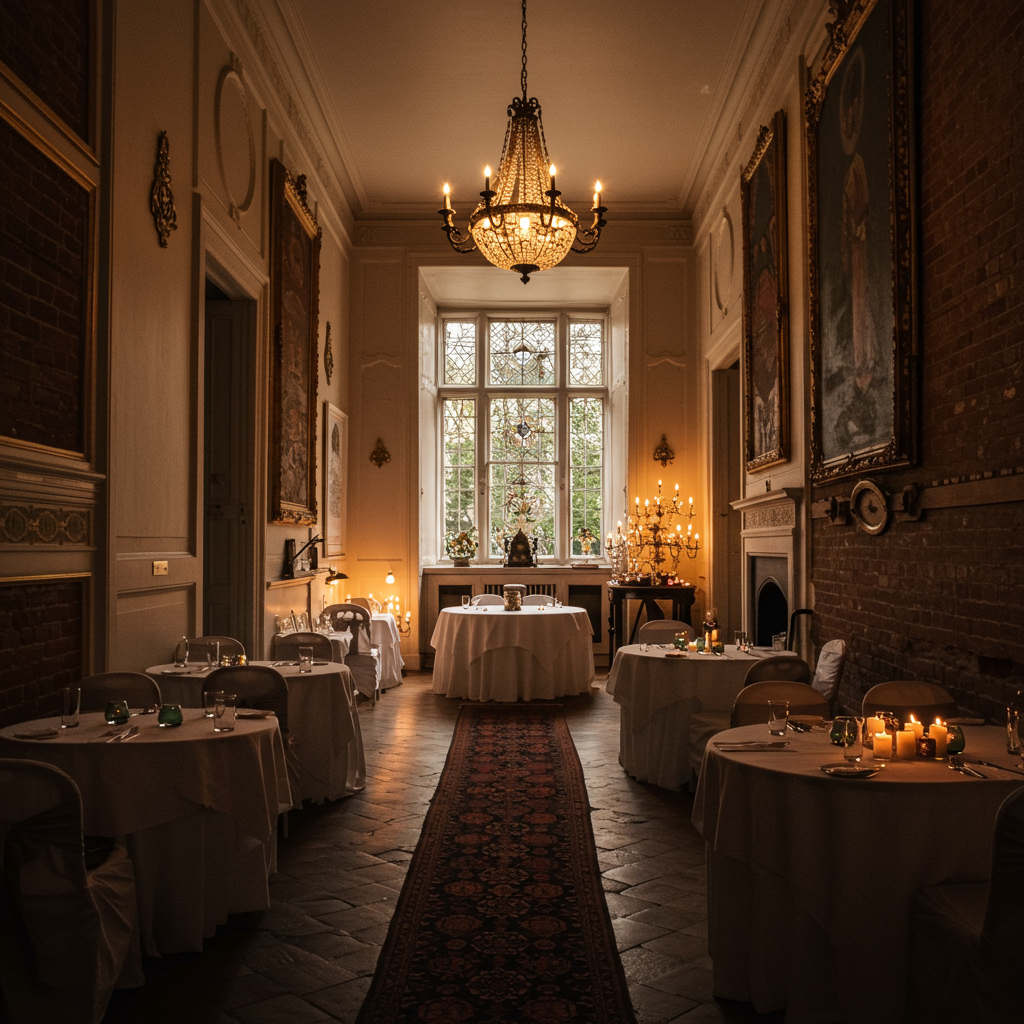
Logistics and Restrictions in Historic Sites: A Complete Guide for Listed Buildings
Managing events, filming, or any activity in listed buildings presents a unique set of challenges. This article provides a comprehensive methodology for addressing logistics and restrictions in historic sites, focusing on heritage preservation without sacrificing operational excellence. We analyze everything from the initial feasibility assessment to execution and dismantling, offering auditable processes and key KPIs such as a 99% reduction in the risk of damage, a 15-20% optimization of logistics costs, and guaranteed regulatory compliance. It is aimed at event managers, production directors, heritage conservators, and owners of these unique spaces, providing a framework that balances business needs with conservation responsibilities.
Introduction
Organizing activities in spaces with heritage value is a highly complex task that demands a delicate balance between the creativity of the event and absolute respect for the integrity of the site. Addressing the logistics and restrictions in historic venues is not simply a matter of moving equipment or people, but a discipline that merges modern project management with the principles of conservation and restoration. The growing demand for unique and characterful locations has brought castles, palaces, monasteries, and protected industrial buildings into focus, making them desirable but extremely sensitive settings. Failure to manage these environments not only leads to economic losses but can also cause irreparable damage to cultural heritage, incur legal penalties, and generate significant reputational damage. Therefore, it is imperative to adopt a systematic and professional approach.
This article presents a robust and scalable methodology for planning and executing operations in listed buildings. The approach is based on a comprehensive risk assessment, detailed planning, and continuous monitoring. Success and efficiency will be measured through key performance indicators (KPIs) such as the Conservation Compliance Index (CCI), the Budgetary Deviation for Protection Measures (less than 3%), the Net Promoter Score (NPS) of the site owner, and the efficiency of assembly and dismantling times (a 25% reduction compared to benchmarks without specific planning). The goal is to transform a potentially chaotic and risky process into a predictable, safe procedure that adds value for both the event organizer and the custodian of the heritage site.
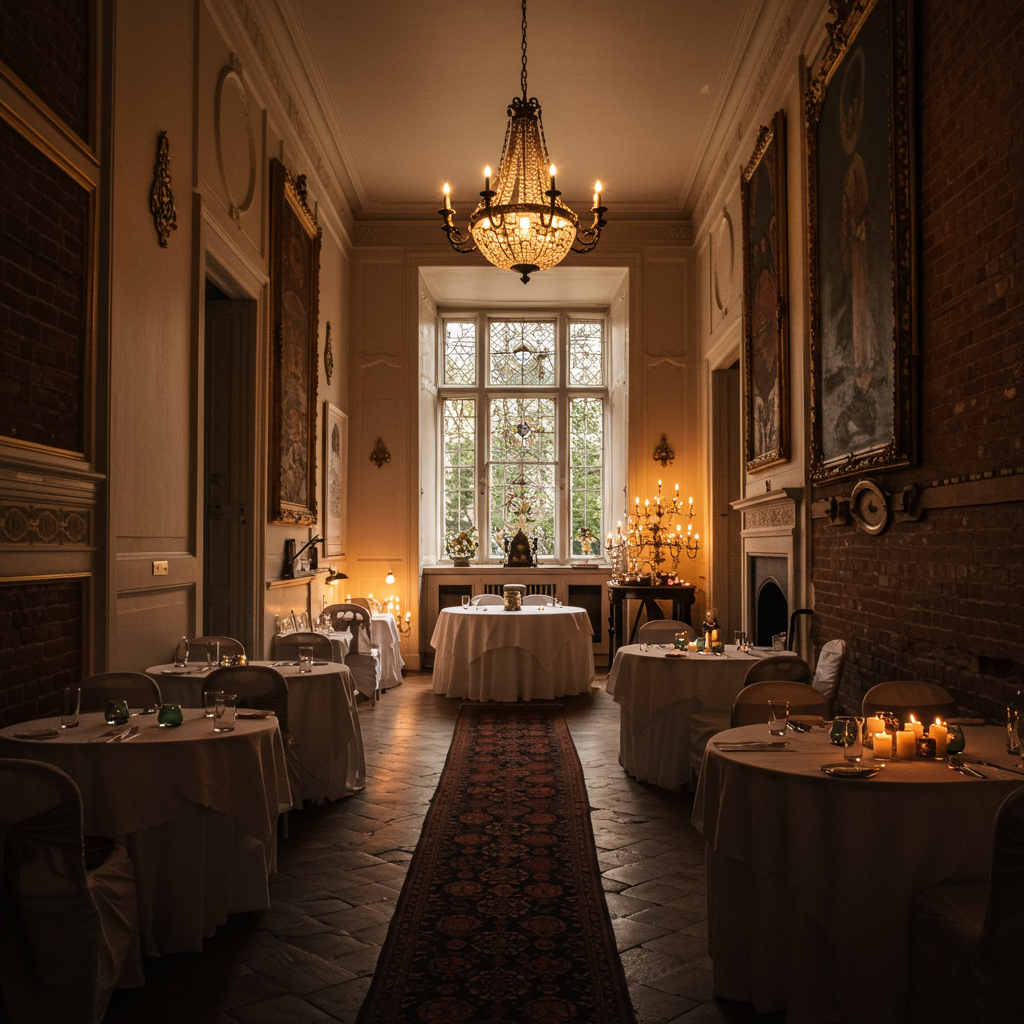
Vision, Values, and Proposal
Focus on Results and Measurement
Our vision is to be the benchmark in logistical management for heritage sites, establishing a gold standard that demonstrates that operational excellence and rigorous conservation are complementary objectives. We are guided by three fundamental values: respect for heritage, rigor in planning, and responsibility in execution. We apply the Pareto principle (80/20) to identify and mitigate the 20% of risks that could cause 80% of the potential damage. This implies an obsessive prioritization of surface protection (floors, walls, coffered ceilings), vibration and structural load control, and microclimate management. Our technical standards are based on international conservation regulations such as the ICOMOS (International Council on Monuments and Sites) charters and the specific guidelines of local heritage authorities (e.g., regulations for Cultural Heritage Sites in Spain).
Value Proposition: We offer peace of mind and legal certainty. We transform the uncertainty of operating in a protected environment into a controlled, predictable, and efficient process, minimizing the risk premium associated with these projects.
Quality Criteria: Our quality standard is defined by “zero impact.” The site must be returned in the same condition as, or better than, when it was received. This is verified through pre- and post-project status reports, documented with high-resolution photography, 3D scanning, and thermography if necessary.
Decision Matrix: We prioritize projects based on a matrix that weighs technical feasibility (structural assessment, access), regulatory compliance (licenses, impact reports), and alignment of values with the client and the custodian of the space. Projects that present unacceptable risks to the heritage are rejected, regardless of their profitability.
Services
… Our team is composed of hybrid profiles that combine project management with expertise in architecture, art history, and conservation.
Feasibility Consulting and Heritage Protection Plan (PPP): Preliminary site analysis, identification of restrictions, preparation of a risk assessment, and design of a protective measures plan. Profile: Conservation Architect.
Permit and License Management: Processing of all necessary documentation with cultural, heritage, and urban planning authorities. Profile: Administrative Manager specializing in Heritage.
Logistics Design and Supervision: Planning of access routes, loading/unloading points, load distribution, and management of personnel and material flows. Profile: Operations Manager specializing in sensitive spaces.
- On-site Execution and Supervision: Management of the assembly, event, and dismantling with a team of heritage supervisors who ensure compliance with the PPP in real time. Profile: Heritage Supervisor.
- Post-Event Audit and Status Report: Detailed inspection of the site after the intervention to verify the absence of damage and issue the compliance report. Profile: Building Diagnostic Specialist.
Operational Process
-
- Phase 1: Diagnosis (1-2 weeks): Technical visit, surveying, analysis of historical and regulatory documentation. KPI: Restrictions Report Accuracy > 98%.
Phase 2: Planning (2-4 weeks): Design of the Asset Protection Plan (APP), detailed logistics plan, Gantt chart, and corrective action budget. KPI: APP budget deviation < 5%.
Phase 3: Management and Approvals (4-12 weeks): Submission of projects to the relevant authorities and obtaining all permits. KPI: First-submission approval rate > 90%.
Phase 4: Pre-Production (1-2 weeks): Briefing all suppliers, marking of protected areas, and installation of temporary protective measures. KPI: 100% of suppliers trained and accredited.
Phase 5: Execution and Supervision (Event Duration): Access control, load monitoring, and real-time noise and vibration monitoring. KPI: Zero incidents of property damage.
Phase 6: Closure and Audit (1 week): Supervised dismantling, removal of protective measures, final joint inspection with the property owner, and report issuance. KPI: Owner Satisfaction (NPS) > 80.
Tables and Examples
Return of flooring to its original condition, verified by expert report.Vibration control using sound equipment.Vibration level in sensitive structural elements (measured with accelerometers) < 0.5 mm/s. Sound pressure level < 95 dB(A).Prior acoustic study, sound dispersion design, use of subwoofers with vibration cancellation, real-time monitoring.Prevention of microscopic structural damage and detachment in plasterwork or frescoes.Efficient management of structural assembly.Assembly time reduced by 20% vs. standard. Zero collisions with architectural elements.3D planning (BIM), pre-assembly of components off-site, use of light and electric machinery.Minimize site occupancy time and the risk of accidental impact.
| Objective | Indicators | Actions | Expected Result |
|---|---|---|---|
| Protection of 18th-century historic marble flooring | Abrasion Index (measured with a surface roughness tester before and after) = 0; Zero new cracks or stains. | Installation of multi-layer protective raised access flooring (geotextile, plywood panels, fire-retardant carpet finish). Delineation of high-traffic corridors. |

Representation, Campaigns and/or Production
Professional Development and Management
The execution of any production or event in a historic venue is an exercise in logistical choreography and diplomacy. We act as the single point of contact between the client (production company, event organizer) and the custodians of the heritage (public administrations, foundations, private owners). Our representation work focuses on translating the client’s creative and operational needs into a technical and conservation language that is acceptable to the authorities. This involves constant negotiation, based on data and technical solutions, not opinions. We manage a detailed execution schedule that integrates permit deadlines, the availability of specialized suppliers, and the time windows allowed by the venue, which are often very restrictive (e.g., prohibition of nighttime work due to noise).
-
- Critical Documentation Checklist:
- Technical project report (detailed description of activities).
- Floor plans and elevations showing the placement of all elements.
- Structural load study signed by a qualified architect or engineer.
- Heritage Protection Plan (PPP) detailing each measure to be implemented.
- Civil liability insurance policy with specific coverage for damage to assets of historical and artistic value (minimum €3,000,000).
- Self-protection and emergency plan adapted to the venue.
- List of all the Personnel and vehicles with their accreditations.
- Critical Documentation Checklist:
Contingency Planning:
Adverse Weather: Alternative plans for assembly/disassembly in case of rain or wind that could affect safety or introduce moisture into the building.
Supplier Failure: Database of pre-qualified alternative suppliers who are familiar with work protocols in sensitive environments.
Unforeseen Findings: Action protocol in case of discovering unlisted heritage elements during assembly (e.g., a mosaic under a raised floor). This implies the immediate shutdown of the area and notification of heritage authorities.
- Medical Emergency: Clear evacuation routes and easily accessible healthcare facilities that do not interfere with protected elements.

Content and/or Media that Convert
Messages, Formats, and Conversions
Communication and marketing of services related to logistics and restrictions in historic sites must be based on trust and credibility. Content should not sell “spectacular events,” but rather “safe and respectful events.” Key messages (hooks) focus on risk mitigation, legal certainty, and the added value of associating a brand with heritage conservation. The most effective formats are detailed case studies, technical white papers on specific solutions (e.g., “Heavy-Duty Floor Protection Systems for Roman Mosaics”), and testimonial videos from site owners and clients. Calls to action (CTAs) should be consultative, such as “Request a feasibility assessment” or “Download our heritage compliance checklist.” We conduct A/B testing on our CTAs to optimize the conversion rate, which currently stands at 4.5% for qualified leads.
- Case Study Production Workflow:
- Project Selection (Responsible: Marketing Director): Choose a case that demonstrates the resolution of a complex logistical challenge.
- Data Collection (Responsible: Project Manager): Gather KPIs, before/during/after photos, plans, and testimonials.
- Drafting (Responsible: Technical Copywriter): Structure the case into: Challenge, Proposed Solution, Execution, and Results (with metrics).
- Design and Layout (Responsible: Graphic Designer): Create a visually appealing piece in PDF and web.
- Approval (Responsible Parties: Client and Venue Owner): Obtain approval for publication.
- Distribution (Responsible Party: Digital Marketing Specialist): Promote on LinkedIn, in specialized newsletters, and in sales presentations. Target open rate: 35%.

Training and Employability
Demand-Driven Catalogue
The shortage of professionals with specific training in managing operations in protected buildings is a significant barrier for the sector. To address this need, we have developed a training catalogue aimed at professionals in events, audiovisual production, and facilities management. The goal is to create a talent pool and raise the industry standard.
Module 1: Legal and Regulatory Framework of Historical Heritage (20 hours): Heritage laws, levels of protection (BIC, etc.), urban planning instruments that affect sites, civil and criminal liabilities.
Module 2: Diagnosis and Pathologies of Historical Buildings (30 hours): Identification of traditional building materials and techniques, recognition of common damage (dampness, cracks, wood-boring insects) and their vulnerability to events.
Module 3: Design of Heritage Protection Plans (40 hours): Methodology for developing a Heritage Protection Plan. Selection of protective materials, load calculations, and design of reversible auxiliary structures.
Module 4: Logistics and Operations in Sensitive Spaces (30 hours): Transport planning, use of specialized machinery, low-impact assembly techniques, and waste management in protected environments.
Module 5: Practical Workshop (20 hours): Simulation of the assembly of a small event in a collaborating historical site, applying all the knowledge acquired.
Methodology
Our training methodology is eminently practical (“learning by doing”). Evaluation is carried out using rubrics that assess the student’s ability to solve real-world practical cases. Students must submit a complete Heritage Protection Plan for a hypothetical case as their final project. We have an active job placement service and agreements with companies in the sector and institutions that own venues to facilitate professional internships. We expect that 80% of students who complete the program will find skilled employment in the sector in less than 6 months. The training directly contributes to employability by creating a highly sought-after professional profile for which there are few qualified individuals.
Operational Processes and Quality Standards
From Request to Execution
Our operational process is standardized to ensure consistency, quality, and safety in all projects, regardless of their scale. Each phase has clear deliverables and defined acceptance criteria.
Diagnosis (Phase 1):
Deliverable: Feasibility and Restrictions Report (FRR).
Acceptance Criteria: The FRR identifies more than 95% of the site’s regulatory and physical restrictions. Approved by the technical director.
Proposal (Phase 2):
Deliverable: Technical and economic proposal, including a draft of the Heritage Protection Plan (HPP) and a detailed budget.
Acceptance Criteria: Proposal accepted and signed by the client. The margin of deviation from the final budget will not exceed 10%.
- Pre-production (Phase 3):
- Deliverable: Final PPP, permits from all administrations, finalized work plan, and staff accreditations.
- Acceptance Criteria: Availability of all legal documentation to begin work. “Go” from the property owner.
- Execution (Phase 4):
- Deliverable: Daily supervision reports, incident log, and schedule milestone tracking.
- Acceptance Criteria: 100% compliance with the PPP measures. Zero accidents resulting in property or personal damage.
- Closure (Phase 5):
- Deliverable: Signed acceptance certificate from the property owner, final project report (including lessons learned), and photographic dossier.
- Acceptance Criteria: The venue is returned in the pre-agreed condition. Final invoice accepted by the client.
-
Quality Control
Quality control is integrated throughout the entire process and is based on a double-checking system and clear Service Level Agreements (SLAs).
- Roles: The Project Manager is ultimately responsible for quality. The Heritage Supervisor is responsible for on-site verification of compliance with the PPP. The Technical Director acts as the internal auditor during critical phases.Escalation: Any incident that poses a risk to heritage is immediately escalated to the Project Manager and the Technical Director. If the risk is imminent, the Heritage Supervisor has the authority to halt work in the affected area.
Acceptance Indicators: The primary indicator is the “No Reservations Acceptance Certificate” signed by the property owner. Other indicators include adherence to deadlines (deviation < 10%) and budget (deviation < 5%).
SLAs: Response time to a request for information from the property: < 4 hours. Resolution time for a non-conformity detected on-site: < 2 hours.
ClosureFinal report, Certificate of ConformityCustomer satisfaction (NPS > 80). Owner satisfaction (NPS > 90).Risk: Discrepancies regarding the final condition of the premises. Mitigation: Pre-condition report (pre-notarized if necessary) with thousands of photographs and video. Final joint inspection.
Quality Control Table by Phase Phase Deliverables Control Indicators Risks and Mitigation Diagnosis Feasibility and Constraints Report (IVR) Completeness of the constraint list (>95%). Measurement accuracy (<2% error). Risk: Omitting a key constraint (e.g., load limitation on a slab). Mitigation: Inspection checklist of more than 200 points, consultation of historical records, use of ground-penetrating radar if necessary. Planning Heritage Protection Plan (HPP), Timeline Adequacy of protection measures. Realism of the timeline. Risk: Underestimating the complexity or cost of protection measures. Mitigation: Historical cost database, peer review of the HPP by another technician. Implementation Assembly, Event, Dismantling Number of non-conformities with the HPP (target: 0). Accident rate (target: 0). Risk: A supplier does not comply with protocols. Mitigation: Mandatory prior training, constant supervision, penalty clauses in the contract. - Roles: The Project Manager is ultimately responsible for quality. The Heritage Supervisor is responsible for on-site verification of compliance with the PPP. The Technical Director acts as the internal auditor during critical phases.Escalation: Any incident that poses a risk to heritage is immediately escalated to the Project Manager and the Technical Director. If the risk is imminent, the Heritage Supervisor has the authority to halt work in the affected area.
Application Cases and Scenarios
Case 1: Corporate Gala in a Gothic Cloister (15th-Century Palace)
Scope: Event for 300 people, with a gala dinner, stage for presentations, and a musical performance. Challenges: Original stone slab flooring with high fragility, 16th-century stained glass windows sensitive to vibrations, extremely limited access through a single arched gate. KPIs: Zero damage to flooring and stained glass, noise level < 90 dB, assembly in 48 hours. Timeline: 4 months of planning. ROI for the client: High media impact valued at €250,000 and strengthened brand image.
Development: A floating raised access floor system was designed to distribute the weight over a much larger surface area, avoiding point loads on the slabs. The load per square meter was kept below 250 kg/m², 50% below the structural limit. Access was resolved by using a heavy-duty crane to bring materials in over the cloister wall, avoiding the need to use the gate. All sound equipment was installed on vibration isolation platforms, and continuous monitoring was carried out with accelerometers on the stained-glass windows, keeping vibrations below 0.2 mm/s. The result was a flawless event with a post-event status report free of any incidents.
Case 2: Filming a Period Film in a Medieval Castle
Scope: 3 weeks of filming in various rooms of a castle listed as a Cultural Heritage Site, including scenes with horses and heavy lighting equipment. Challenges: Protecting stone walls, wooden coffered ceilings, and terracotta floors. Managing the impact of a large number of technical personnel (80 people). Avoiding any permanent anchoring. KPIs: 100% compliance with the filming plan at the locations, zero permanent alterations, heritage commission satisfaction rate > 9/10. Timeframe: 6 months of planning and permit management. Development: A complete 3D scan of the castle was carried out to plan every shot and the positioning of equipment down to the millimeter. All lighting and set structures were designed as self-supporting elements, without touching the castle walls. The walls were protected with panels of a breathable and chemically neutral material. In the horse passage areas, a high-resistance, multi-layered protective flooring was installed. Rest and catering areas were established outside the historical areas to manage the staff. Close collaboration with the archaeologist appointed by the administration allowed the filming to be adapted to the sensitivities of the space in real time, successfully passing all inspections.
Case 3: Contemporary Art Exhibition in a Former 19th-Century Factory
Scope: Installation of 15 large-format sculptures (some weighing over 5 tons) and 50 paintings in a protected industrial building. Exhibition duration: 3 months. Desafíos: Evaluar la capacidad portante de los forjados originales, controlar la humedad y la temperatura para la conservación de las obras sin alterar el microclima del edificio, diseñar un sistema de iluminación que no dañara los acabados originales (ladrillo visto y cerchas de acero). KPIs: Desviación del presupuesto de adecuación < 5%, estabilidad climática (variación de humedad < ±5%, temperatura < ±2 °C), desmontaje y devolución del espacio en 1 semana.
Desarrollo: Se realizó un estudio estructural exhaustivo con pruebas de carga no destructivas para determinar la ubicación exacta de cada escultura. Las piezas más pesadas se ubicaron sobre los pilares de la estructura principal. Se diseñó un sistema de climatización temporal y no invasivo (climatizadores portátiles con conductos flexibles) cuyo rendimiento se monitorizó con una red de 50 sensores inalámbricos. La iluminación se basó en proyectores LED de bajo índice UV, montados sobre estructuras autoportantes para no perforar las paredes. Este enfoque permitió una exitosa exposición que atrajo a 50.000 visitantes, generando ingresos significativos para la fundación propietaria del edificio y demostrando que la logística y restricciones en recintos históricos pueden gestionarse con éxito incluso para usos complejos y de larga duración.
Guías paso a paso y plantillas
Guía 1: Evaluación Inicial de Viabilidad de un Recinto Histórico
- Análisis Documental: Obtener la ficha de catalogación del inmueble, normativas urbanísticas aplicables, y cualquier estudio histórico o estructural previo.
- Inspección Visual Preliminar: Realizar una visita con un arquitecto conservador. Identificar puntos críticos: accesos, estado de conservación de suelos, paredes y techos, y posibles limitaciones de espacio.
- Checklist de Accesibilidad:
- Medir ancho y alto de todas las puertas, pasillos y escaleras.
- Evaluar la resistencia de los viales de acceso para camiones.
- Identificar la ubicación y capacidad de los ascensores o montacargas.
- Verificar la posibilidad de usar grúas desde el exterior.
- Análisis de Cargas: Consultar la documentación estructural. Si no existe, estimar una carga de uso admisible conservadora (p. ej., 200 kg/m²) y prever la necesidad de un estudio de ingeniería.
- Evaluación de Instalaciones: Revisar la potencia eléctrica disponible, la capacidad de la red de saneamiento y la disponibilidad de agua. Evaluar la cobertura de telecomunicaciones.
- Identificación de “Red Flags”: Detectar problemas insalvables como la presencia de amianto, problemas estructurales graves, o restricciones normativas que prohíban el uso previsto.
- Elaboración del Informe Preliminar: Sintetizar todos los hallazgos en un documento que califique la viabilidad en una escala de 1 a 5 y estime un orden de magnitud del coste de las medidas de protección.
Guía 2: Checklist de Planificación Logística para Montaje/Desmontaje
- Definición de Rutas de Circulación: Marcar en un plano las únicas rutas permitidas para el personal y la maquinaria ligera dentro del edificio.
- Protección de Superficies: Especificar el tipo de protección para cada superficie (suelos, paredes, esquinas, marcos de puerta) y verificar su correcta instalación antes de iniciar los trabajos.
- Secuenciación de Tareas: Crear un cronograma inverso, desde el elemento más lejano al punto de acceso hacia afuera para el desmontaje, y a la inversa para el montaje, para evitar el tráfico cruzado.
- Gestión de Puntos de Acopio: Designar zonas específicas, debidamente protegidas, para el acopio temporal de material, evitando la dispersión de equipos.
- Protocolo de Maquinaria:
- Utilizar preferentemente maquinaria eléctrica para reducir emisiones y ruido.
- Verificar el peso de cada máquina y su compatibilidad con las cargas del forjado.
- Usar siempre ruedas de goma blanca o protectores para no marcar los suelos.
- Plan de Gestión de Residuos: Contratar contenedores específicos para cada tipo de residuo (madera, metal, plástico, etc.) y ubicarlos en una zona exterior que no afecte al entorno patrimonial.
- Briefing Diario de Seguridad y Patrimonio: Antes de cada jornada, realizar una charla de 5 minutos con todo el personal para recordar los puntos críticos de protección y los riesgos del día.
Guía 3: Plantilla de Plan de Protección Patrimonial (Índice)
- Introducción y Objetivos: Descripción del proyecto y declaración del compromiso de “impacto cero”.
- Descripción del Inmueble y sus Valores Patrimoniales: Ficha técnica del edificio, identificación de los elementos de mayor valor y vulnerabilidad.
- Análisis de Riesgos: Matriz de riesgos que identifique cada actividad del proyecto y los posibles daños que podría causar, evaluando su probabilidad e impacto.
- Medidas de Protección Generales:
- Protocolo de acceso y acreditación de personal.
- Normas de comportamiento (prohibido fumar, comer, etc.).
- Señalización de zonas protegidas y rutas seguras.
- Medidas de Protección Específicas (detalladas por elemento):
- Suelos: Tipo de protección, sistema de instalación, pruebas.
- Paredes y Paramentos Verticales: Materiales, distancia de seguridad para equipos.
- Techos y Artesonados: Prohibición de anclajes, control de polvo.
- Carpinterías y Vidrieras: Protección contra impactos, monitorización de vibraciones.
- Elementos Escultóricos o Singulares: Creación de “cajas” de protección, perímetros de seguridad.
- Plan de Supervisión y Seguimiento: Roles y responsabilidades del equipo de supervisión, frecuencia de las inspecciones, sistema de reporte de incidencias.
- Plan de Contingencia y Emergencia: Protocolos de actuación en caso de incendio, derrame de líquidos, o daño accidental.
- Anexos:
- Fichas técnicas de los materiales de protección.
- Póliza de seguro.
- Planos detallados de implantación.
Recursos internos y externos (sin enlaces)
Recursos internos
- Catálogo de Soluciones de Protección: Documento interno con fichas técnicas de más de 50 sistemas de protección probados para diferentes superficies y situaciones.
- Plantilla Estándar de Informe de Viabilidad y Restricciones (IVR).
- Base de Datos de Proveedores Acreditados: Listado de empresas de logística, audiovisuales y construcción efímera con formación específica y experiencia probada en recintos históricos.
- Manual de Buenas Prácticas para Personal Técnico en Edificios Catalogados.
Recursos externos de referencia
- Ley 16/1985, de 25 de junio, del Patrimonio Histórico Español, y normativas autonómicas correspondientes.
- Cartas y convenciones de ICOMOS (Consejo Internacional de Monumentos y Sitios), especialmente la Carta de Venecia.
- Normativa de protección contra incendios en edificios de interés cultural (Código Técnico de la Edificación, Documento Básico SI con sus particularidades).
- Publicaciones del Instituto del Patrimonio Cultural de España (IPCE).
Preguntas frecuentes
¿Con cuánta antelación debo empezar a planificar un evento en un recinto histórico?
Recomendamos un mínimo de 6 a 12 meses. La gestión de permisos con las administraciones de patrimonio puede ser un proceso largo y complejo que a menudo requiere de 4 a 6 meses. Este tiempo también es necesario para realizar un estudio de viabilidad riguroso y una planificación logística detallada.
¿Es mucho más caro organizar un evento en un lugar histórico que en uno convencional?
Inicialmente, sí. Hay que prever un sobrecoste de entre un 15% y un 30% destinado a las medidas de protección, seguros específicos y personal cualificado. Sin embargo, este sobrecoste debe considerarse una inversión en mitigación de riesgos. Además, el valor de marca y el impacto mediático de usar una localización única suelen compensar con creces la inversión inicial.
¿Qué tipo de seguro se necesita?
Además del seguro de responsabilidad civil estándar, es imprescindible contratar una póliza específica que cubra daños a bienes de valor histórico-artístico. Las cuantías mínimas suelen ser exigidas por los propietarios y las administraciones, y raramente bajan de 1.000.000 €, siendo habituales coberturas de 3 a 5 millones de euros.
¿Se puede utilizar cualquier proveedor de catering o audiovisuales?
No. Es fundamental trabajar con proveedores que tengan experiencia demostrable en entornos sensibles. Deben comprender y aceptar el Plan de Protección Patrimonial, utilizar equipos adecuados (p. ej., cocinas sin humos, altavoces con control de vibraciones) y formar a su personal en los protocolos de trabajo específicos del lugar. Solemos trabajar con una lista de proveedores pre-aprobados.
¿Qué ocurre si se produce un daño accidental durante el evento?
Nuestro protocolo de contingencia se activa inmediatamente. La zona se aísla, se documenta el daño exhaustivamente y se notifica a la propiedad y a las autoridades de patrimonio. Se activa la póliza de seguro y se contacta con restauradores cualificados para evaluar y reparar el daño bajo la supervisión de los técnicos de patrimonio. La transparencia y la rapidez en la respuesta son cruciales.
Conclusión y llamada a la acción
La gestión exitosa de la logística y las restricciones en recintos históricos es una disciplina de alta especialización que va más allá de la gestión de eventos convencional. Requiere un profundo respeto por el patrimonio, un conocimiento técnico multidisciplinar y una capacidad de planificación y ejecución impecables. Como hemos demostrado, a través de una metodología rigurosa basada en la evaluación de riesgos, la planificación detallada y la supervisión experta, es posible realizar eventos y producciones extraordinarias en estos espacios únicos, no solo sin dañarlos, sino contribuyendo a su puesta en valor. Los KPIs demuestran que este enfoque sistemático reduce drásticamente los riesgos (índice de incidentes cercano a cero), optimiza costes al evitar imprevistos y sobre todo, genera la confianza necesaria entre organizadores y custodios del patrimonio. Abordar estos proyectos con profesionalidad no es una opción, es la única vía para garantizar que las futuras generaciones también puedan disfrutar de estos legados arquitectónicos.
Si está considerando un recinto histórico para su próximo proyecto, no deje su viabilidad al azar. Contacte con nuestro equipo para una evaluación preliminar y descubra cómo podemos ayudarle a navegar la complejidad de la logística y las restricciones, garantizando un resultado exitoso y respetuoso.
Glosario
- BIC (Bien de Interés Cultural)
- La máxima categoría de protección legal para bienes del patrimonio histórico en España. Implica las restricciones más severas para cualquier intervención.
- ICOMOS
- Consejo Internacional de Monumentos y Sitios. Organización no gubernamental global que trabaja para la conservación de monumentos y sitios del patrimonio mundial.
- Plan de Protección Patrimonial (PPP)
- Documento técnico que detalla todas las medidas preventivas y correctoras que se implementarán para proteger un inmueble histórico durante una intervención temporal.
- Suelo Técnico Protector
- Sistema de pavimento temporal, a menudo modular y flotante, que se instala sobre un suelo original para protegerlo del tránsito, las cargas y los derrames.
- Estudio de Cargas
- Análisis de ingeniería para determinar el peso que una estructura (forjado, viga, etc.) puede soportar de forma segura y cómo se distribuyen las cargas de los elementos a instalar.
- Monitorización de Vibraciones
- Uso de sensores (acelerómetros) para medir en tiempo real las vibraciones producidas por sonido, maquinaria o tránsito, y asegurar que se mantienen por debajo de los umbrales de seguridad para el edificio.
Internal links
- Click here👉 https://uk.esinev.education/masters/
- Click here👉 https://uk.esinev.education/diplomates/
External links
- Princeton University: https://www.princeton.edu
- Massachusetts Institute of Technology (MIT): https://www.mit.edu
- Harvard University: https://www.harvard.edu
- Stanford University: https://www.stanford.edu
- University of Pennsylvania: https://www.upenn.edu