

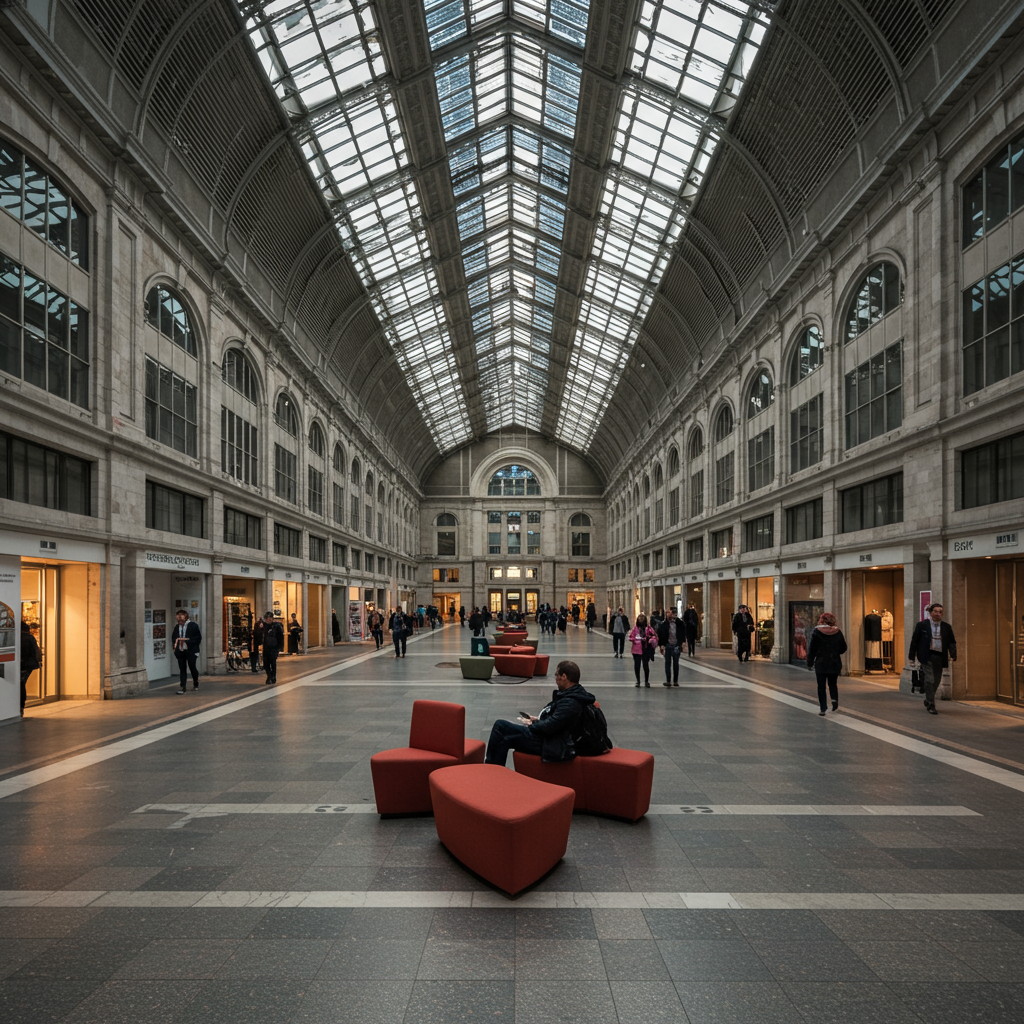
NEC Birmingham vs Manchester Central: The Definitive Comparison for Choosing Your Exhibition Venue
Choosing the right venue is one of the most critical decisions in exhibition planning, with a direct impact on budget, logistics, attendee experience, and return on investment (ROI). This article presents a comprehensive comparison of NEC Birmingham vs Manchester Central, two of the UK’s most iconic venues. We’ll analyze their capacities, services, costs, and audience profiles in depth to provide event organizers with a robust decision-making tool. Through key performance indicators (KPIs) such as cost per square meter, attendee Net Promoter Score (NPS), and lead generation rate, we will break down when the monumental scale of the NEC is the winning option and when the urban location and prestige of Manchester Central offer a strategic advantage. Our goal is to equip you with data, case studies, and step-by-step guides so that your choice is not a gamble, but a well-founded strategic decision.
Introduction
In the dynamic and competitive UK events market, selecting the right venue is the cornerstone of any successful exhibition, congress, or trade fair. Two titans dominate the landscape outside London: the National Exhibition Centre (NEC) in Birmingham and Manchester Central. Each offers a unique set of advantages and challenges that can either boost or hinder an event’s objectives. This guide provides a detailed NEC Birmingham vs. Manchester Central comparison, designed to go beyond technical specifications and explore the strategic nuances that define each venue’s suitability. We will analyze quantitative factors such as space and cost, and qualitative factors such as visitor experience and access to specific markets, so organizers can align their choice with their business and brand goals.
Our methodology is based on a comparative analysis structured around four key pillars: capacity and logistics, accessibility and location, service ecosystem, and cost structure. For each pillar, we will present verifiable data, expected performance metrics (KPIs), and practical application scenarios. The goal is to transform a complex decision into a clear, evidence-based process, ensuring that the chosen venue not only hosts the event but also acts as a catalyst for its success, measurable in terms of lead generation, attendee satisfaction, and overall return on investment.
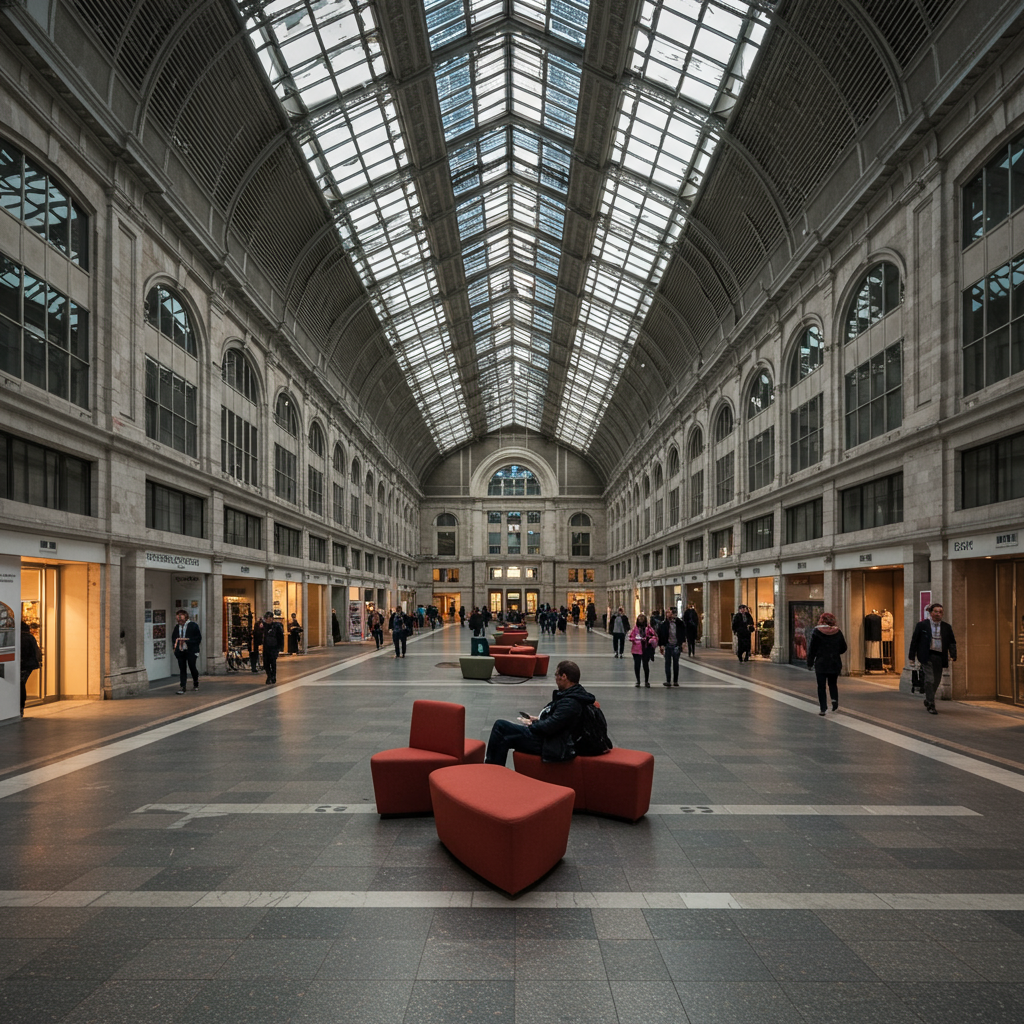
The choice between the vast infrastructure of NEC Birmingham and the iconic urban architecture of Manchester Central is a strategic decision that defines the scope and character of an exhibition.
Vision, Values, and Proposal
Focus on Results and Measurement
Selecting an exhibition venue should go beyond simply booking space. It is a strategic decision that must align with the event’s mission and values. Applying the Pareto principle (80/20), the choice of venue is part of the 20% of decisions that will determine 80% of the outcome. A heavy machinery event requires the logistical robustness of NEC, while a fintech conference can benefit from the prestige and urban connectivity of Manchester Central. Our value proposition focuses on facilitating this strategic alignment, using a decision matrix that weights critical factors according to the specific objectives of each event. Technical standards, such as UK Health and Safety (HSE) regulations and building codes, are the foundation, but the top layer of analysis focuses on commercial impact and the attendee experience.
Strategic Alignment: Assess how the venue brand (innovation, scale, prestige) complements the event brand.
Attendee Experience (AX): Analyze the complete visitor journey, from transport and access to internal navigation and available services. An NPS above +40 is an indicator of success.
Logistical Feasibility: Audit loading dock capacity, assembly/disassembly times, and space flexibility for complex stand designs. The goal is a schedule deviation of less than 5%.
- Financial Sustainability: Model the total cost of occupancy (rent, mandatory services, staff) to ensure a positive ROI.
- Market Potential: Consider the host city’s demographics and its ability to attract the desired target audience, both nationally and internationally.
Services, Profiles, and Performance
Portfolio and Professional Profiles
Both the NEC and Manchester Central offer a comprehensive portfolio of services, but their focus and scale differ significantly. The NEC, with its 18 halls and over 182,000 m² of space, is a self-contained ecosystem. It is designed for massive events requiring complex logistics and a wide range of on-site services, from hotels and restaurants to full-service production. It is ideal for international trade fairs, large-scale product launches, and consumer exhibitions with an attendance of over 100,000 people. Manchester Central, on the other hand, offers 10,000 m² of open-plan space under its iconic arch, complemented by a number of meeting rooms and an auditorium. Its strength lies in its location in the heart of one of the UK’s most vibrant cities, making it perfect for congresses, corporate conferences, and specialist exhibitions seeking to attract a professional audience and leverage the city’s infrastructure (hotels, restaurants, nightlife) for networking.
Operational Process
- Initial Consultation Phase (Week 1): The client submits an event brief. The venue’s sales team responds within 48 hours. KPI: Initial response rate >95%.
- Proposal and Site Visit (Weeks 2-3): A detailed cost proposal is delivered and a site visit is scheduled. KPI: Proposal delivered within ≤5 business days.
- Contract Signing and Event Manager Appointment (Week 4): Terms are finalized and a dedicated event manager is assigned. KPI: Satisfaction with the contracting process >90%.
- Operational Planning (Months 1-6): Regular meetings with the event manager to coordinate vendors, logistics, security, and catering. KPI: Project plan milestone completion ≥98%.
- Execution and On-Site Support (Event Days): 24/7 technical and operational support team available. KPI: Incident resolution time <30 minutes.
- Closure and Post-Event Analysis (Weeks 1-2 post-event): Final billing and feedback meeting to evaluate performance and ROI. KPI: 99% accuracy of the final invoice compared to what was agreed.
Tables and Examples
| Feature | NEC Birmingham | Manchester Central | Strategic Consideration |
|---|---|---|---|
| Exhibition Space | ~182,000 m² (18 halls) | ~10,000 m² (main space) | The NEC is for massive scale; Manchester Central for focused and prestigious events. |
| International Access | Excellent (Birmingham Airport and international train station on site) | Good (Manchester Airport 20 min by train; two major stations nearby) | The NEC has a clear logistical advantage for a global audience arriving by air/rail. |
| Road Access and Parking | Outstanding (Next to M42/M6; 16,500 parking spaces) | Limited (City center; associated NCP car park with 720 spaces) | Critical for B2C events where attendees travel by car. A major advantage for the NEC. |
| Accommodation | Multiple hotels on campus (over 2,000 rooms) | Abundant in the city center (over 2,500 rooms within a 5-minute walk) | The NEC offers convenience; Manchester Central offers variety and urban experience. |
| Estimated Rental Cost | £1.50 – £2.50 per m² per day (estimated, varies considerably) | Daily rental of the entire space; may result in a higher cost per m². | Total cost must include mandatory services. The NEC structure can be more flexible. |
| Ideal Event Profile | Large B2B/B2C trade shows, product launches, machinery events. | Congresses, corporate conferences, luxury exhibitions, political events. | The choice depends primarily on size and target audience. |

Representation, Campaigns, and/or Production
Professional Development and Management
Producing an exhibition at a large-scale venue is a meticulously planned operation that demands flawless project management. At the NEC, logistics focus on managing multiple halls, staggered setup schedules, and coordinating a vast ecosystem of official suppliers. The execution schedule must be planned months in advance, with particular attention to traffic plans for setup and dismantling. At Manchester Central, the challenge is different: working within a Grade II listed building and managing logistics in a dense urban environment. Permits for road closures or the use of cranes may require additional coordination with Manchester City Council. In both cases, effective supplier management is key, negotiating clear Service Level Agreements (SLAs) for services such as cleaning, security, IT, and rigging.
- Critical Documentation Checklist:
- Signed venue rental agreement.
- Liability and event cancellation insurance policies.
- Risk Assessments and Statements of Methods (RAMS) from all contractors.
- Venue-approved traffic management plan for setup/teardown.
- Required licenses (e.g., for alcohol or live entertainment).
- Contingency Plans:
-
- Pre-approved alternative suppliers for AV, staff, and furniture.
- Emergency communication protocols (e.g., transport strikes, adverse weather conditions).
Crisis management plan with defined roles and responsibilities.
-
- Flexibility in the layout design to accommodate last-minute changes from exhibitors.

Content and/or Media That Convert
Messages, Formats, and Conversions: A Comparison Between NEC Birmingham and Manchester Central
The choice of venue directly influences the content strategy and brand activation opportunities. NEC’s vast canvas allows for the creation of large-scale, immersive experiences: heavy machinery demonstration areas, vehicle test tracks, or multi-story stand constructions. The digital branding opportunities are enormous, with a network of screens throughout the campus. The goal is to capture attention in a highly crowded environment. In contrast, Manchester Central offers a more intimate and prestigious setting. The content here can be more focused, with an emphasis on high-quality networking and knowledge sessions. The building’s iconic arch is itself a powerful backdrop for visual content and social media. A/B testing email marketing campaigns, segmenting by the venue’s value proposition (“Experience the industry’s biggest trade show at the NEC” vs. “Join industry leaders in the heart of Manchester”), can optimize registration conversion rates.
Phase 1: Content Strategy (Month -6): Define the key themes, speakers, and content formats (workshops, plenaries, roundtables) that best suit the audience and the chosen venue. The Content Director is responsible for this phase.
Phase 2: Pre-event Content Production (Months -5 to -1): Create promotional videos, blog posts, and social media campaigns highlighting the venue’s unique advantages. The Marketing Manager is responsible for this phase.
Phase 3: On-Site Activation Planning (Months -4 to -1): Design branding experiences and opportunities that leverage the venue’s architecture and facilities. The Operations/Sponsorship Manager is responsible for this phase.
Phase 4: Execution and Capture (Event Days): Record sessions, conduct interviews, and capture user-generated content. The On-Site Content Team is responsible.
- Phase 5: Post-Event Distribution (Month +1): Re-proposal the captured content in on-demand videos, reports, and marketing materials for the following year, maintaining engagement and demonstrating the event’s value. The Marketing Manager is responsible.

Training and employability
Demand-driven catalog
To maximize the success of an event at any of these top-tier venues, the organizing team must be properly trained. It’s not just about logistics, but about understanding how to leverage the strengths of each venue.
We offer a modular training catalog designed to equip event teams, from junior coordinators to exhibition directors.
Module 1: Mastering Logistics in Large Venues (NEC Approach): Intensive training on loading dock management, health and safety regulations specific to large-scale construction, and multi-hall coordination. Includes a setup simulation.
- Module 2: Destination Marketing and Attendee Experience (Manchester Central Focus): Strategies for integrating the event with the city, creating hospitality packages, and leveraging the central location to encourage networking and attendance.
- Module 3: Contract Negotiation and Supplier Management: Techniques for negotiating favorable terms with venues and their exclusive suppliers, including force majeure clauses, SLAs, and commission structures.
- Module 4: Technology for Hybrid Events in Large Venues: Training on the network infrastructure, streaming capabilities, and broadcast studios available at each venue to deliver a seamless hybrid experience.
- Module 5: Sustainability in Large-Scale Events: How to work with venue teams to minimize the event’s environmental impact, managing waste and energy consumption. and promoting public transport.
Methodology
Our training methodology is eminently practical. It is based on the study of real-world case studies, technical visits to venues, and hands-on workshops. Assessment is carried out using rubrics that measure the participant’s ability to solve logistical problems, create an accurate budget, or develop a destination marketing plan. Upon completion of the training, professionals not only receive certification but also gain access to our job board, connecting highly qualified event organizers with companies seeking to run world-class events at the NEC, Manchester Central, and other similar venues. The expected result is a measurable improvement in operational efficiency (10-15% reduction in unforeseen costs) and in customer and attendee satisfaction (5-10 point increase in NPS).
Operational Processes and Quality Standards
From Request to Execution
A standardized operational process is fundamental to ensuring quality and consistency in event organization, regardless of the chosen venue. Our pipeline is designed to be robust and adaptable.
- Diagnosis and Requirements Definition (2 weeks): Workshop with the client to define the event objectives (KPIs), the audience profile, and the spatial and technical requirements. The deliverable is a detailed “Event Brief.” Acceptance Criteria: Client signature on the brief.Venue Selection and Proposal (3 weeks): Creation of an RFP, submission to the NEC and Manchester Central, evaluation of proposals, and site visits. A comparative analysis and recommendation are presented. Deliverable: Venue recommendation report. Acceptance Criteria: Client selection and booking of the venue.
Pre-Production and Detailed Planning (6-12 months): Development of the floor plan, marketing plan, registration opening, supplier contracting, and logistics planning. Deliverables: Detailed project plan, final budget, and marketing plan. Acceptance Criteria: Client approval of all plans.
On-Site Execution and Management (Event Duration): Setup, event execution with active management of all operations, and dismantling. Deliverable: The event itself. Acceptance criteria: Compliance with defined SLAs and KPIs, such as network uptime >99.9%.
- Post-event Closure and Evaluation (4 weeks): Data collection, satisfaction surveys, ROI analysis, and closing meeting with the client. Deliverable: Complete post-event report. Acceptance criteria: Presentation and acceptance of the report by the client.
Quality Control
Quality control is an ongoing process, not a one-time event. It is based on clear roles, escalation protocols, and a set of key performance indicators (KPIs) monitored at each phase.
Defined Roles: Each project has an Event Director (final responsibility), an Operations Manager (logistics), a Marketing Manager (promotion and attendance), and a Content Manager (program and speakers).
Escalation Protocol: Issues are resolved at the lowest possible level. If an issue cannot be resolved within 2 hours, it is escalated to the next management level.
Acceptance Indicators (SLAs): Clear SLAs are established with all vendors. For example, the AV vendor must guarantee an on-site support technician within 5 minutes for the main rooms. The catering team must keep the coffee stations stocked at all times during breaks.
Regular Control Points: Weekly internal team meetings, bi-weekly client meetings, and daily operational audits during the event.
SetupBooths and common areas built according to plan. Utilities (electricity, internet) operational.100% adherence to the setup schedule. Zero reported accidents.Risk: Carrier delays. Mitigation: Staggered delivery windows, additional logistics staff during peak hours.ExecutionEvent running smoothly without major technical issues. Attendees satisfied.Attendees NPS >+40. Registration wait time <5 min. Wi-Fi uptime >99.9%.Risk: AV technical failure during a plenary session. Mitigation: Full backup equipment (projectors, microphones), dedicated AV technician in the room.DismantlingVenue cleared on time. Efficient waste management.100% compliance with the eviction deadline. Recycling rate >60%.Risk: Abandonment of materials by exhibitors. Mitigation: Cleaning deposit, clear communication of rules, reinforced cleaning team.
| Phase | Key Deliverables | Control Indicators | Risks and Mitigation |
|---|---|---|---|
| Planning | Budget finalized, plan approved, program closed. | Budget deviation <2%. Exhibitor/Speaker Confirmation Rate ≥90%. | Risk: Low booth sales. Mitigation: Early marketing campaigns, flexible pricing structure, robust lead database. |
Application cases and scenarios
Case 1: “International Manufacturing Expo (IME)” at the NEC Birmingham
Event profile: Europe’s largest B2B trade fair for industrial machinery. 4-day duration.
Objectives: Attract more than 1,500 exhibitors and 100,000 trade visitors from 80 countries. Facilitate live demonstrations of heavy machinery. Generate a sales pipeline of more than £500 million.
Venue Decision: The NEC was chosen for three main reasons: 1) Space: They needed more than 100,000 m² of contiguous space, something only the NEC could offer in the UK. 2) Logistics: The floor load capacity, the height of the halls, and direct access for articulated trucks were essential for the machinery. 3) Connectivity: The central location in the UK and the adjacent international airport were crucial for attracting an international audience.
Execution and KPIs: Ten halls were used. The NEC logistics team managed the arrival of over 800 trucks in 3 days. A QR code-based registration system was implemented to minimize queues.
Results:
Attendance: 105,200 verified visitors (5.2% above target).
Exhibitors: 1,580 companies.
Attendee NPS: +48 (citing the ease of seeing everything under one roof).
ROI: The estimated value of business generated exceeded £650 million. The average ROI for exhibitors was calculated at 5:1.
Case 2: “FinTech Forward 2023” at Manchester Central
Event Profile: High-level conference and exhibition for the financial technology sector. 2-day duration.
Objectives: To bring together 10,000 C-level executives, startup founders, and investors. To position Manchester as a key FinTech hub outside London. To foster high-quality networking.
Venue Decision: Manchester Central was the unanimous choice. 1) Prestige: The building’s iconic architecture provided the perfect backdrop for an event focused on innovation and the future. 2) Location: Being in the city center facilitated attendance from the local tech community and allowed for networking events to be held in the evenings at nearby restaurants and bars. 3) Atmosphere: The open-plan main space fostered a sense of community and facilitated spontaneous interactions, unlike the separate pavilion structure of other venues.
Execution and KPIs: An innovative floor plan was designed with a central main stage and themed “collaboration zones” surrounding it. An event app was used to facilitate matchmaking between attendees and investors.
Results:
- Attendance: 11,500 delegates (15% above target).
- App engagement rate: 85% of active attendees.
- Delegate NPS: +62 (the quality of networking was the most praised factor).
- Local economic impact: Estimated at over £5 million for the city of Manchester.
Case 3: “The National Pet Show” – The Scalability Dilemma
Event Profile: A business-to-consumer (B2C) pet show that had grown beyond the capacity of its previous venue in London.
Objetivos: Aumentar la asistencia en un 50% (de 20.000 a 30.000), mejorar la experiencia del visitante reduciendo la aglomeración y atraer a un público nacional.
El Dilema: La nec birmingham manchester central comparación fue el núcleo de su decisión estratégica. Manchester Central ofrecía un paso intermedio en tamaño y una fuerte base de población en el norte. El NEC ofrecía un potencial de crecimiento casi ilimitado y una accesibilidad por carretera inmejorable para los visitantes que viajaban en coche con sus familias.
Decisión de sede: Se optó por el NEC. A pesar de que el alquiler inicial era más alto, el análisis del coste por visitante potencial era más bajo debido a la escalabilidad. La facilidad de parking fue el factor decisivo para un evento familiar de fin de semana.
Ejecución y KPIs: Se alquilaron dos pabellones, permitiendo áreas de demostración mucho más grandes para agilidad canina y exhibiciones de gatos, lo que había sido un punto de congestión en el pasado. Se implementó un sistema de venta de entradas con franjas horarias para gestionar el flujo de visitantes.
Resultados:
- Asistencia: 32.000 visitantes.
- Ticket Medio: Aumentó un 15% gracias a la mayor permanencia y al gasto en los expositores.
- NPS de Visitantes: Pasó de +25 a +50, con comentarios específicos sobre la mejora del espacio y la reducción del estrés.
- Tasa de renovación de expositores: 92% para el año siguiente.
Guías paso a paso y plantillas
Guía 1: Cómo realizar una visita de inspección (Site Visit) eficaz
- Preparación (Antes de la visita):
- Define un equipo de visita (operaciones, marketing, ventas).
- Prepara un checklist detallado con todos los puntos a verificar (basado en tu Event Brief).
- Envía el checklist al recinto con antelación para que preparen las respuestas y el personal adecuado.
- Lleva una cinta métrica láser, una cámara y una brújula.
- Evaluación de Espacios (Durante la visita):
- Verifica las dimensiones reales de las salas. No te fíes solo de los planos.
- Identifica obstrucciones como columnas, puntos de rigging y salidas de emergencia.
- Evalúa la calidad de la iluminación, la acústica y la climatización.
- Observa el estado de conservación de las instalaciones (moquetas, paredes, baños).
- Análisis Logístico:
- Inspecciona los muelles de carga: número, tamaño, acceso para diferentes vehículos.
- Recorre la ruta desde los muelles hasta el espacio de exposición. ¿Hay ascensores de carga? ¿Pasillos estrechos?
- Evalúa las zonas de almacenamiento y las oficinas para el organizador.
- Comprueba la ubicación y capacidad del guardarropa y el punto de registro.
- Revisión de Servicios y Tecnología:
- Pregunta por la capacidad y el coste del Wi-Fi para asistentes y producción. Pide ver un test de velocidad.
- Reúnete con el proveedor de catering in-house. Prueba la comida si es posible.
- Evalúa la señalización digital disponible y sus costes.
- Discute las políticas de seguridad y los planes de emergencia.
- Informe Post-Visita (Dentro de las 48 horas):
- Consolida todas las notas, fotos y mediciones en un informe estandarizado.
- Crea una tabla de puntuación (scoring card) para comparar objetivamente los recintos visitados.
- Envía las preguntas de seguimiento al recinto por escrito.
Guía 2: Plantilla para un Request for Proposal (RFP) para recintos feriales
- Sección 1: Introducción y Resumen del Evento. Describe tu organización, el historial del evento, los objetivos y el perfil demográfico de los asistentes.
- Sección 2: Especificaciones del Evento.
- Fechas preferidas y alternativas.
- Horario detallado, incluyendo días de montaje y desmontaje.
- Requisitos de espacio: m² netos para exposición, número y capacidad de las salas de reuniones, espacio para registro, oficinas, etc.
- Estimación de asistencia (expositores y visitantes).
- Sección 3: Requisitos Técnicos y de Servicios.
- Necesidades de AV (proyectores, sonido, etc.).
- Requisitos de conectividad a internet (ancho de banda, Wi-Fi público y privado).
- Necesidades de catering (descansos para café, almuerzos, cenas de gala).
- Requisitos de seguridad, limpieza y personal.
- Sección 4: Formato de la Propuesta de Costes. Solicita un desglose detallado de todos los costes: alquiler del espacio, tarifas por servicios obligatorios (limpieza, seguridad base), costes de catering por persona, tarifas de AV, costes de internet, etc. Pide que se especifiquen los impuestos (IVA).
- Sección 5: Preguntas Específicas. Incluye preguntas sobre flexibilidad (políticas de cancelación), exclusividad de proveedores, sostenibilidad, accesibilidad e historial con eventos similares.
- Sección 6: Proceso y Plazos. Define la fecha límite para la presentación de propuestas, la fecha de la decisión final y los datos de contacto de la persona responsable.
Guía 3: Checklist de Negociación de Contrato con Grandes Recintos
- Tarifa de Alquiler: ¿Es una tarifa plana o por m²? ¿Hay descuentos por contratar con mucha antelación, por ser un evento recurrente o por celebrarse en temporada baja?
- Fechas de Montaje y Desmontaje: Negocia el mayor número posible de días de acceso gratuito o con tarifa reducida. Esto puede suponer un ahorro enorme.
- Cláusulas de Cancelación y Atrición: Revisa las penalizaciones por cancelación y por no alcanzar el bloqueo de habitaciones de hotel acordado. Intenta que las escalas de penalización sean lo más favorables posible.
- Cláusula de Fuerza Mayor: Asegúrate de que la cláusula sea amplia y cubra pandemias, huelgas, actos de terrorismo y otras circunstancias imprevistas.
- Exclusividad de Proveedores: ¿Estás obligado a usar el catering, AV o TI del recinto? Si es así, negocia los precios. Si no, pregunta por las tarifas por usar proveedores externos (“buyout fees”).
- Comisiones y Rebates: Aclara todas las comisiones sobre servicios (ej. un 20% sobre el catering) y negocia posibles “rebates” (reembolsos) si superas ciertos umbrales de gasto.
- Costes Ocultos: Pregunta explícitamente por todos los costes adicionales: personal de seguridad obligatorio, servicios médicos, limpieza post-evento, tasas de gestión de residuos, etc.
- Concesiones: Pide extras de valor añadido: Wi-Fi gratuito para los asistentes, uso de la señalización digital, mejora de una sala de reuniones, etc.
Recursos internos y externos (sin enlaces)
Recursos internos
-
- Plantilla de Presupuesto para Exposiciones (formato Excel)
- Checklist de Planificación de Eventos (de 12 meses al día del evento)
- Modelo de Contrato Estándar para Proveedores de Eventos
- Guía de Evaluación de Riesgos para Eventos
– Catálogo de diseños de stands modulares y sostenibles
Recursos externos de referencia
- Guía de buenas prácticas de la Association of Event Venues (AEV) del Reino Unido.
- Normativa de Salud y Seguridad en el Trabajo de 1974 (Health and Safety at Work etc. Act 1974).
- Regulaciones de Construcción (Diseño y Gestión) de 2015 (CDM 2015), aplicables al montaje de exposiciones.
- Estándares de accesibilidad de la norma británica BS 8300.
- Guías de la Association of Event Organisers (AEO).
Preguntas frecuentes
¿Cuál es la principal diferencia de capacidad entre el NEC y Manchester Central?
La diferencia es monumental. El NEC Birmingham ofrece aproximadamente 182.000 m² de espacio de exposición repartidos en 18 pabellones interconectados, lo que lo hace adecuado para los eventos más grandes del mundo. Manchester Central ofrece alrededor de 10.000 m² en su espacio principal diáfano, ideal para congresos, conferencias y exposiciones de tamaño medio a grande que no requieren la escala masiva del NEC.
¿Qué recinto es más accesible para asistentes internacionales?
Ambos tienen una excelente accesibilidad, pero el NEC tiene una ligera ventaja logística. Está físicamente conectado con el Aeropuerto Internacional de Birmingham (BHX) y la estación de tren Birmingham International, lo que permite a los delegados pasar del avión al recinto en minutos. Manchester Central está a unos 20 minutos en tren del Aeropuerto de Mánchester (MAN), uno de los más transitados del Reino Unido, y está a poca distancia a pie de las principales estaciones de tren de la ciudad.
¿Cómo se comparan los costes de alquiler y servicios?
Es difícil dar una cifra exacta ya que los precios varían enormemente según la fecha, el tamaño del evento y el poder de negociación. Generalmente, el coste por metro cuadrado en el NEC puede ser más bajo debido a su enorme escala, pero el coste total será mayor por el gran espacio alquilado. Manchester Central puede tener un coste de alquiler base más elevado en proporción, pero el gasto total en servicios auxiliares (como transporte y alojamiento para el personal) puede ser menor debido a su ubicación urbana. Es crucial realizar una comparativa de “coste total de ocupación” en lugar de solo el alquiler del espacio.
¿Qué tipo de evento se adapta mejor a cada lugar?
El NEC es ideal para: grandes ferias comerciales B2B (maquinaria, automoción), exposiciones de consumo masivas (cómics, mascotas, hogar), y cualquier evento que requiera demostraciones a gran escala o una logística de vehículos pesados. Manchester Central se adapta perfectamente a: congresos y conferencias de asociaciones o corporaciones, eventos políticos, exposiciones B2B de sectores como la tecnología, las finanzas o la sanidad, y eventos de marca que buscan un entorno prestigioso e icónico.
¿Ambos recintos ofrecen soporte para eventos híbridos?
Sí, ambos recintos han invertido significativamente en tecnología para soportar eventos híbridos. Ofrecen conexiones a internet de alta velocidad por fibra óptica, estudios de transmisión in situ o espacios adaptables, y equipos de producción audiovisual capaces de gestionar retransmisiones en directo de alta calidad. La elección dependerá más del tipo de experiencia híbrida que se quiera crear y del presupuesto disponible para la producción virtual.
Conclusión y llamada a la acción
La decisión entre el NEC Birmingham y Manchester Central no es una cuestión de cuál es “mejor”, sino de cuál es “el adecuado” para los objetivos específicos de su evento. Nuestra nec birmingham manchester central comparación demuestra que la elección es una balanza estratégica: la escala, la flexibilidad logística y la conectividad nacional del NEC frente al prestigio, la experiencia urbana y el acceso a un vibrante ecosistema de negocios del norte de Manchester Central. Para un evento masivo B2C o una feria industrial internacional, el NEC es a menudo la única opción viable en el Reino Unido. Para un congreso de liderazgo que busca inspirar y conectar, Manchester Central ofrece un entorno inigualable. La clave del éxito reside en un análisis riguroso de sus KPIs: ¿prioriza el volumen de asistentes (ventaja para el NEC) o el valor por asistente (potencial ventaja para Manchester Central)? ¿El ROI depende de la venta de maquinaria pesada (NEC) o de acuerdos cerrados en reuniones de alto nivel (Manchester Central)?
Le instamos a utilizar las guías y checklists proporcionadas en este artículo para estructurar su proceso de toma de decisiones. Realice una visita de inspección informada, elabore un RFP detallado y negocie su contrato con confianza. Una elección de sede bien fundamentada es la inversión más segura para garantizar un evento memorable, rentable y exitoso. Si necesita ayuda para realizar un análisis personalizado o para gestionar la complejidad de su próximo gran evento, nuestro equipo de expertos está a su disposición para guiarle en cada paso del camino.
Glosario
- RFP (Request for Proposal)
- Solicitud de Propuesta. Documento que una organización publica para solicitar propuestas de posibles proveedores para un producto o servicio.
- SLA (Service Level Agreement)
- Acuerdo de Nivel de Servicio. Contrato entre un proveedor de servicios y un cliente que define el nivel de servicio esperado.
- KPI (Key Performance Indicator)
- Indicador Clave de Rendimiento. Un valor medible que demuestra la eficacia con la que una empresa está logrando los objetivos empresariales clave.
- Montaje/Desmontaje (Build-up/Break-down)
- Los periodos antes y después de una exposición durante los cuales los expositores construyen y desmantelan sus stands.
- Venue
- Término en inglés ampliamente utilizado en la industria de eventos para referirse al recinto, lugar o sede donde se celebra un evento.
- Northern Powerhouse
- Concepto promovido en el Reino Unido para potenciar el desarrollo económico en las principales ciudades del norte de Inglaterra, incluyendo Mánchester, Liverpool y Leeds.
Internal links
- https://uk.esinev.education/
- https://uk.esinev.education/strategic-alliances/
- https://uk.esinev.education/international-internships/
Links externos
- Princeton University
- Massachusetts Institute of Technology (MIT)
- Harvard University
- Stanford University
- University of Pennsylvania
“`