

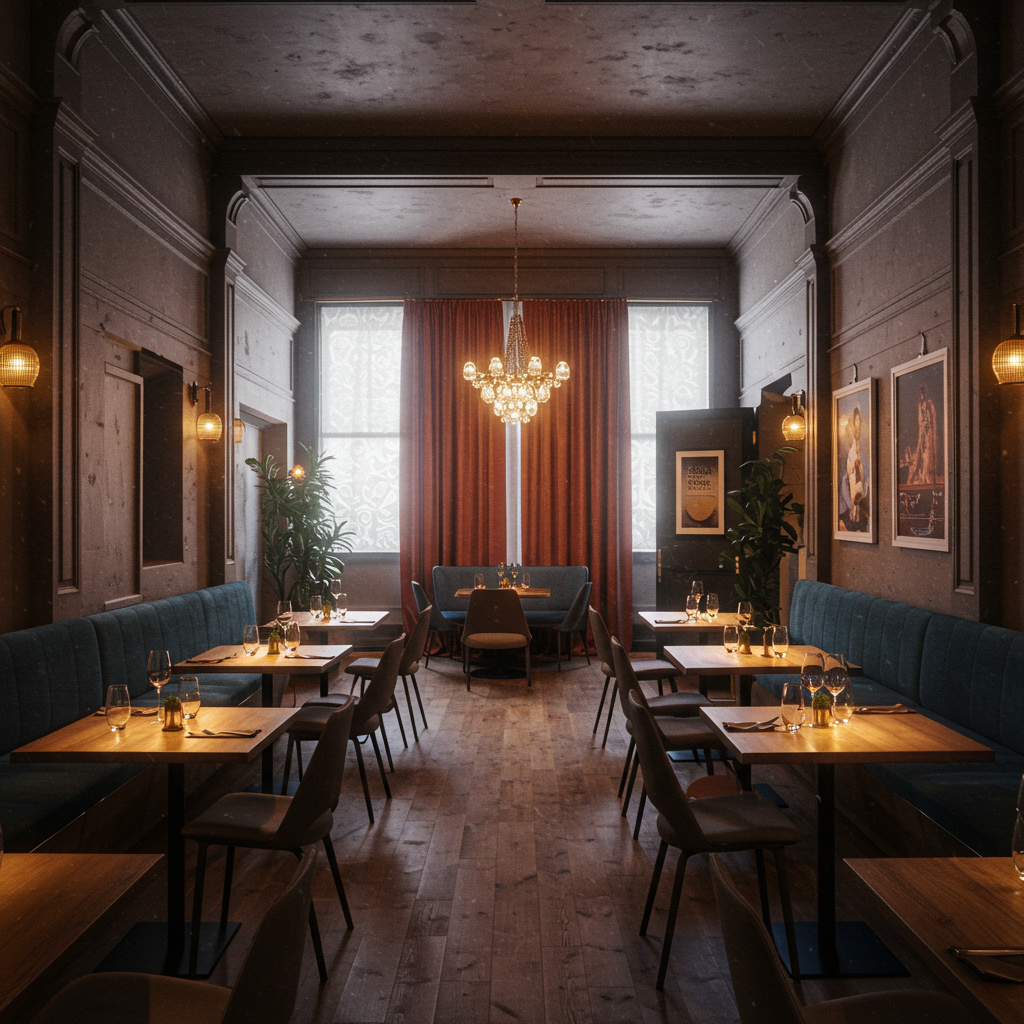
The Ultimate Guide to Venues in the Northern Powerhouse: Our Picks in Leeds, Manchester, and Newcastle
This article provides a strategic and operational framework for venue selection in the nerve centers of the Northern Powerhouse. Aimed at event organizers, marketing directors, and purchasing managers, our analysis focuses on maximizing return on investment (ROI) and attendee experience (NPS). Through a data-driven approach, we break down the processes, KPIs, and quality standards needed to make the best leeds manchester newcastle venue picks. We’ll explore everything from aligning with brand values to negotiating contracts and managing sustainability, offering practical guides, case studies, and templates to ensure that every event is not only a logistical success but also a catalyst for business growth. Our goal is to reduce budget deviation to less than 5% and improve operational efficiency by 15%.
Introduction
The “Northern Powerhouse” concept has revitalized the north of England, positioning cities like Leeds, Manchester, and Newcastle as vibrant hubs of innovation, culture, and business. For companies looking to expand their influence, hosting events in this region is a strategic decision. However, the success of any conference, product launch, or corporate summit hinges on choosing the right venue. This article is presented as the definitive guide to navigating the complex ecosystem of event spaces in these three cities, offering a proven methodology for making the best leeds manchester newcastle venue picks. It’s not just about finding a space with the right capacity, but about identifying a strategic partner that amplifies the brand message, guarantees a seamless experience, and delivers a measurable return on investment.
Our methodology is based on a multifactorial analysis that goes beyond traditional metrics like cost per square meter or capacity. We evaluate each potential venue through a lens that includes sustainability (according to ISO 20121 standards), digital connectivity (latency and bandwidth), universal accessibility (compliance with regulations), and operational flexibility. The Key Performance Indicators (KPIs) we monitor throughout the process include the event’s Net Promoter Score (NPS), the post-event goal conversion rate (lead generation, closing deals), energy savings, and budget variance, with the aim of keeping it below 3%. This comprehensive approach ensures that venue selection is not merely a logistical formality, but the cornerstone upon which a memorable and profitable event is built.
Vision, values, and proposal
Focus on results and measurement
Our vision is to transform venue selection from a tactical task to a high-impact strategic decision. We believe that the physical space is an extension of the brand and a critical component of the attendee experience. Therefore, we apply the Pareto principle (80/20), focusing on the 20% of selection criteria that generate 80% of the event’s success. Our values are transparency, analytical rigor, and sustainability. Every recommendation is based on verifiable data and aligns with the client’s strategic objectives, whether commercial, brand-related, or related to corporate social responsibility. The technical standards that guide our work include UK building regulations, the accessibility guidelines of the Equality Act 2010, and event safety protocols (such as the Purple Guide).
Strategic Alignment: The venue must reflect the brand’s values and positioning. A tech startup event doesn’t fit in a classic palatial hotel, while a gala dinner for an investment bank does.
- Attendee Experience (AX): We analyze the entire attendee “journey,” from arrival (accessibility, parking, public transport) to departure (signage, crowd flow, comfort).
- Verifiable Sustainability: We prioritize venues with certifications such as BREEAM or ISO 14001, zero-waste policies, and local supply chains for catering. We measure the carbon impact per attendee.
- Flexibility and Scalability: The space must be able to adapt to last-minute changes in capacity or event format (plenary sessions, workshops, networking areas).
- Robust Technological Infrastructure: We audit Wi-Fi connectivity (access point density, guaranteed bandwidth), integrated audiovisual (AV) capabilities, and on-site technical support.
Services, Profiles, and Performance
Portfolio and Professional Profiles
We offer a comprehensive consulting service for venue selection and management, designed to save time, reduce costs, and mitigate risks. Our team comprises multidisciplinary profiles: Venue Finders with over 10 years of experience in the North of England market, Technical Production Managers specializing in AV and streaming, and accredited Sustainability Consultants. This service portfolio covers the entire venue selection lifecycle, ensuring that every choice is perfectly aligned with the event’s objectives. Our Leeds Manchester Newcastle venue picks are based on our proprietary database of over 500 personally audited venues, allowing us to offer options that aren’t always on the radar of conventional search engines.
Operational Process
Phase 1: Diagnosis and Briefing (Duration: 1 week): Intensive workshop with the client to define objectives, target audience, detailed budget, and KPIs. Deliverable: Event Requirements Document (ERD). KPI: ERD Accuracy > 95%.
Phase 2: Research and Pre-selection (Duration: 1 week): We searched our database and the market. We filtered and presented a longlist of 8-10 venues with an initial comparative analysis. KPI: Reduction of client search time by 80%.
Phase 3: Technical Visits and Shortlisting (Duration: 2 weeks): We coordinated and led technical visits (in-person or virtual) to the 3-4 finalist venues. We evaluated each space using a checklist of more than 150 points. Deliverable: Venue Audit Report. KPI: Satisfaction rate with the shortlist > 90%.
Phase 4: Negotiation and Contracting (Duration: 1 week): We lead the negotiation of rates, terms, and contractual clauses, seeking an average savings of 10-15% on the initial rate. Legal review of the contract. KPI: Documented contractual savings.
Phase 5: Pre-production and Liaison (Ongoing): We act as the main point of contact with the venue, managing logistics, floor plans, suppliers, and technical requirements. KPI: Zero critical communication errors.
Phase 6: Execution and On-Site Support (Day of the Event): A Venue Manager from our team is present to oversee execution and resolve issues in real time. KPI: Incident resolution time < 15 minutes.
Tables and examples
Attendee Experience Improvement (AX)Net Promoter Score (NPS) of the event; Average queue time (registration, catering); Perceived Wi-Fi network qualitySelection of venues with logical people flows; Wi-Fi infrastructure audit under load; Prioritization of quality cateringNPS > 50; Queue time < 5 minutes; Wi-Fi connection success rate > 99%Sustainability Goal ComplianceCarbon footprint per attendee (kg CO2e); % of waste diverted from landfill; Percentage of local suppliers
Prioritization of ISO 14001/2012 certified venues; Implementation of paperless policies; Contracting of locally sourced catering
20% reduction in carbon footprint vs. baseline; Recycling rate > 85%; > 60% of the catering budget for local suppliers
 Our structured process guarantees informed decision-making, minimizing risks and optimizing the impact on cost, time, and quality for each event.
Representation, campaigns, and/or production
Professional development and management
Once the venue is selected, our work focuses on management and production to ensure flawless execution. We act as the main point of contact between the client and the venue team, translating the creative vision into a logistical and technical operations plan. This involves managing all the necessary documentation, from municipal permits for temporary structures to entertainment licenses (if required) and liability insurance. We coordinate an ecosystem of trusted suppliers (audiovisual equipment, set design, furniture, staff) ensuring that everyone meets the highest standards of quality and safety. The execution schedule is a living document that we share with all stakeholders, detailing milestones, deadlines, and responsible parties from 6 months before the event until final dismantling.
Critical Documentation Checklist:
Signed Venue Contract.
Public Liability Insurance Policy (minimum £5 million).
Risk Assessment and Statement of Methods (RAMS) from all suppliers.
Event Management Plan (EMP), including evacuation plan.
Electrical Equipment Safety Certificates (PAT testing).
Temporary Event Licenses (TENs), if applicable.
Contingency Plans:
Contingency Plan for bad weather at events with Outdoor components.
Power failure protocol (confirm venue backup generators).
List of pre-approved alternative suppliers for catering, AV, and staff.
Crisis communication plan for attendees and press.
- Supplier Coordination:
- Unified setup and teardown schedule (get-in/get-out).
- Weekly production meetings in the month prior to the event.
- Management of access passes and parking areas for the technical team.

Content and/or Media That Convert
Messages, Formats, and Conversions: Optimizing the Venue for Content
The venue is not merely a container, but a stage that can enhance or limit the effectiveness of the content. Our approach integrates the content strategy from the initial selection phase. For example, if a key objective is to generate video content for social media, we will look for venues with multiple visually appealing (“Instagrammable”) locations, good natural lighting, and acoustically isolated areas for interviews. We conduct A/B testing in event promotion, using images and videos of the shortlisted venues to measure which aesthetic resonates most with the target audience. The primary Call to Action (CTA), registration, is influenced by the perception of quality and exclusivity conveyed by the venue. Therefore, optimizing the Leeds Manchester Newcastle venue picks is also a conversion rate optimization (CRO) tactic.
Content Strategy Definition (Pre-selection): Identify key formats (keynotes, panels, workshops, demos, live streaming, interviews).
Content Mapping to Spaces (Shortlisting Phase): Assign each content type to a potential space within the shortlisted venues. Does the plenary hall have good acoustics and sightlines? Are there quiet spaces for high-value networking?
Technical Media Audit (Technical Visit): Measure the actual internet upload speed for streaming. Test the compatibility of AV systems. Evaluate lighting options for video recording.
- On-Site Content Production Plan (Pre-production): Create a detailed schedule for the video and photography team, coordinated with the event program. Define areas for interviews and content creation.
- Distribution and Amplification (Post-event): Utilize the high-quality material generated thanks to the venue’s optimal conditions for post-event marketing campaigns, maximizing long-term ROI.

Training and employability
Demand-driven catalog
To empower our clients’ internal teams and industry professionals, we have developed a specialized training program in event management. in the Northern Powerhouse. These modules are designed to be practical, based on real-world cases, and focused on measurable results.
-
- Module 1: Venue Selection Strategy in the North of England. Market analysis of Leeds, Manchester, and Newcastle. How to align selection with business and brand objectives.
- Module 2: Contract Negotiation and Budget Management. Key clauses (cancellation, force majeure), negotiation techniques, and tools for comprehensive budget control.
- Module 3: Technical Production for Event Managers. Fundamentals of audiovisuals, lighting, and streaming. How to write a technical rider and assess a venue’s capabilities.
Module 4: Sustainability in Events (ISO 20121). A practical guide to planning and implementing sustainable events, from venue selection to waste management and impact communication.
Module 5: Risk Management and Contingency Planning. Methodologies for identifying, assessing, and mitigating risks in events. Creating a robust Event Management Plan.
Methodology
Our training methodology is eminently practical (“learning by doing”). Sessions combine theory with practical workshops, analysis of real-world cases, and venue visits. Assessment is based on rubrics that measure the participant’s ability to apply knowledge in simulated scenarios (e.g., negotiating a hypothetical contract, creating a risk plan for a given event). We collaborate with event agencies and large companies in the region to offer a pool of internships and job opportunities, connecting trained talent with market demand and thus improving employability in the Northern Powerhouse events sector. We expect 80% of participants to improve their event management skills by at least 25%, measured through pre- and post-training assessments.
Operational Processes and Quality Standards
From Request to Execution
Our operational pipeline is designed to offer maximum transparency and efficiency. Each phase has clear deliverables and defined acceptance criteria, ensuring that the client has full control and visibility at all times.
- Diagnosis (Phase 1): Request receipt. Discovery workshop. Delivery of the Event Requirements Document (ERD). Acceptance Criteria: ERD approved and signed by the client.Proposal (Phase 2): Presentation of the long list and comparative analysis. Feedback session. Delivery of the pre-selection report and shortlist proposal. Acceptance Criteria: Approved shortlist of 3-4 venues.
Pre-production (Phase 3): Technical site visits. Negotiation. Delivery of the final audit report and draft contract. Acceptance Criteria: Contract with the selected venue signed.
Execution (Phase 4): Detailed logistical planning. Supplier management. Setup supervision. Delivery of the Event Management Plan (EMP). Acceptance Criteria: EMP approved by all parties.
Closure (Phase 5): Supervision of dismantling. Feedback collection. Delivery of a post-event report with KPI analysis and recommendations. Acceptance criteria: Reconciled final invoice and report submitted.
Quality Control
Quality control is an ongoing process, not a final stage. A Quality Manager is assigned to each project, responsible for auditing deliverables and ensuring SLA compliance.Roles: The Account Manager is the client’s point of contact. The Venue Specialist leads the search and negotiation. The Production Manager oversees logistics and technical aspects. The Quality Manager audits the process.
Escalation: Any deviation of >5% in budget or >3 days in deadlines is immediately escalated to the Account Manager.
Acceptance Indicators: Each deliverable is validated against a quality checklist before being sent to the client. The customer’s NPS for our service is measured after each key phase.
- SLAs: Response time to inquiries < 4 business hours. Proposal delivery within a maximum of 5 business days. Post-event report within 10 business days.
| Objective | Indicators | Actions | Expected result |
|---|---|---|---|
| Budget Optimization | Cost per attendee; % savings on rack rate; Final budget deviation | Centralized DDR rate negotiation; Off-peak date search; AV and catering service bundling | 12% reduction in cost per attendee; Minimum 8% savings on total venue cost; Deviation < 3% |
Risk: Ambiguous briefing. Mitigation: Structured workshop with all stakeholders; Use of detailed templates.ProposalShortlist report; Comparative analysisVenue suitability to the brief; Cost transparency; Quality of analysisRisk: Venues unavailable or out of budget. Mitigation: Confirmation of availability and provisional costs before submitting the shortlist.Pre-productionSigned contract; Event Management Plan (EMP)Favorable contractual terms; Seamless Logistics PlanRisk: Unfavorable contractual clauses; Coordination failures. Mitigation: Legal review of the contract; Regular production meetings with all suppliers.ExecutionSuccessful EventSchedule adherence; Zero critical incidents; Positive feedback from attendeesRisk: Technical failures; Staffing issues. Mitigation: On-site technical support; Backup staff; Detailed contingency plan.ClosurePost-Event Report; Final reconciliationKPI Report Accuracy; Transparency in Final BillingRisk: Discrepancies in final costs. Mitigation: Written approval of all additional expenses during the event; Transparent reconciliation process.
| Phase | Key Deliverables | Control Indicators | Risks and Mitigation |
|---|---|---|---|
| Diagnosis | Event Requirements Document (ERD) | ERD level of detail; Stakeholder alignment; Budget Clarity |
Application Cases and Scenarios
Case 1: “Innovate North” Technology Conference in Manchester
Challenge: A client in the technology sector needed to organize a conference for 800 developers and managers in Manchester. Key requirements included enterprise-grade internet connectivity (10 Gbps symmetrical), multiple breakout rooms, a plenary hall capable of large-format projections, and ample space for sponsor exhibits. The budget was €250,000 for the venue and associated services. The timeframe was 9 months.
Solution: After analyzing 12 potential venues, our final selection was the Manchester Central Convention Complex. We negotiated a package that included the rental of the main space, 10 meeting rooms, and an upgrade to the dedicated network infrastructure for the event, achieving a 12% saving on the initial rate. We implemented an RFID-based registration system to monitor attendee flow and gather data on the most popular sessions. The exhibition space was designed with an open floor plan to maximize interaction between sponsors and attendees.
Results:
Final Budget: €242,500 (3% below budget).
Technical KPIs: 0% Wi-Fi downtime; Average latency < 20 ms.
Event NPS: +62 (a 15-point increase over the previous year).
Sponsor ROI: 30% higher than the industry average qualified lead generation, according to a post-event survey.
Case 2: Leadership Retreat for a Global Consulting Firm in Leeds
Challenge: A leading consulting firm was looking for an inspiring and exclusive location near Leeds for a three-day retreat for its 50 senior partners. The objectives were to foster strategic thinking, team building, and confidentiality. A luxury environment was required, with 5-star accommodation, high-security private meeting rooms, and unique experiential activities. The budget was high, but demonstrable value was required.
Solution: We ruled out traditional conference hotels and proposed Oulton Hall, an 18th-century mansion converted into a luxury hotel with a golf course. We reserved an entire wing of the hotel to ensure privacy. Strategy sessions were held in historic halls, while for team building we organized activities such as falconry in the gardens and a whisky tasting with a local expert. Technology was integrated discreetly, with secure videoconferencing systems and interactive digital whiteboards.
Results:
Partner Satisfaction Rate: 98% (measured by an anonymous survey).
Qualitative Feedback: Participants highlighted that the “outside the office” environment fostered more open and creative communication.
ADR (Average Daily Rate): We negotiated a corporate rate 18% lower than the public rate, which included activities and exclusive use of the facilities.
Confidentiality: Zero security or information breaches.
Case Study 3: Launching a Sustainable Fashion Brand in Newcastle
Challenge: A new sustainable fashion brand wanted to organize a launch event in Newcastle for press, influencers, and buyers. The event needed to reflect the brand’s values: innovation, sustainability, and design. They required a versatile, industrial space with good lighting for photography and a runway show, and one with sustainability credentials. The budget was tight: €40,000.
Solution: Our top recommendation was The Boiler Shop in Newcastle, a former locomotive factory converted into an event space. Its industrial aesthetic and commitment to sustainability (renewable energy use, zero-plastic policies) were a perfect fit. We designed a multifaceted event: a central catwalk, garment display areas, an interactive workshop on recycled fabrics, and an organic cocktail bar. The catering was contracted with a local company that used seasonal and locally sourced products.
Results:
Media Coverage: Over 50 articles in fashion and lifestyle media, with an estimated advertising value equivalent (AVE) of €200,000.
Social Media Impact: Over 2 million impressions with the event hashtag in 48 hours.
Sustainability: 95% of the event’s waste was recycled or composted. The carbon footprint per attendee was 40% lower than that of a standard fashion event.
Sales: Orders were secured from 5 major distributors during the event, exceeding the initial target by 150%. Un claro ejemplo de cómo una de nuestras leeds manchester newcastle venue picks puede catalizar el éxito comercial.
Guías paso a paso y plantillas
Guía 1: Checklist Definitivo para la Visita Técnica de Recintos
Esta guía asegura que no se pase por alto ningún detalle crítico durante la visita a un recinto potencial. Utilícela para una evaluación estandarizada y objetiva.
- Accesibilidad y Ubicación:
- ¿Cómo de fácil es llegar en transporte público (tren, metro, autobús)?
- ¿Hay aparcamiento suficiente para asistentes y personal? ¿Coste?
- ¿Es el acceso principal accesible para sillas de ruedas (rampas, sin escalones)?
- ¿La señalización desde la calle principal es clara?
- Espacios y Capacidades:
- Medir las dimensiones reales de las salas clave. ¿Coinciden con los planos?
- Verificar las capacidades en diferentes montajes (teatro, escuela, cabaret, banquete).
- Evaluar el estado de conservación (pintura, moquetas, mobiliario).
- ¿Hay luz natural? ¿Se pueden oscurecer las salas por completo?
- Inspeccionar las zonas de servicio (cocinas, muelles de carga, almacenes).
- Infraestructura Técnica (AV y TI):
- ¿Qué equipamiento AV está incluido (proyectores, pantallas, megafonía)? ¿Marca y modelo?
- ¿Dónde están los puntos de conexión eléctrica y de red? ¿Son suficientes?
- Realizar un test de velocidad de la red Wi-Fi en varios puntos.
- Preguntar por el soporte técnico in situ. ¿Está incluido o es un extra?
- Seguridad y Emergencias:
- Localizar las salidas de emergencia. ¿Están despejadas y bien señalizadas?
- Verificar la ubicación de extintores y sistemas anti-incendios.
- Preguntar por los protocolos de evacuación y el punto de encuentro.
- ¿Disponen de personal de seguridad propio? ¿Y de sala de primeros auxilios?
- Catering y Servicios:
- ¿Tienen catering exclusivo o se pueden traer proveedores externos?
- Solicitar menús y precios de muestra. ¿Ofrecen opciones para dietas especiales?
- Inspeccionar la calidad de los baños. ¿Son suficientes para la capacidad máxima?
- Evaluar la calidad del servicio del personal del recinto durante la visita.
Guía 2: Cómo Negociar el Contrato de un Recinto: 10 Cláusulas Clave
- Tarifas y Pagos: Asegurarse de que todos los costes están desglosados (alquiler, personal, limpieza, AV). Negociar un calendario de pagos favorable.
- Fechas y Horarios: Especificar claramente las fechas y horarios de montaje (get-in), evento y desmontaje (get-out). Cualquier hora extra debe tener un coste definido.
- Cláusula de Cancelación: Negociar una escala de penalización por cancelación que sea lo más favorable posible, especialmente en las primeras etapas.
- Fuerza Mayor: Asegurarse de que la cláusula de fuerza mayor es amplia y cubre pandemias, huelgas, desastres naturales, etc., permitiendo la cancelación sin penalización.
- Reducción de Asistentes (Attrition): Negociar la posibilidad de reducir el número de asistentes garantizados hasta una fecha cercana al evento sin penalización (p. ej., un 10% hasta 30 días antes).
- Exclusividad de Proveedores: Luchar contra la exclusividad. Si el recinto impone su propio proveedor de AV o catering, negociar una reducción de sus tarifas o una comisión (corkage fee) para traer uno externo.
- Seguros y Responsabilidad: Definir claramente los límites de la responsabilidad de cada parte. Exigir ver la póliza de seguro del recinto.
- Branding y Señalización: Asegurarse de que el contrato permite colocar señalización y branding en zonas clave del recinto sin costes adicionales.
- Cambios y Modificaciones: Incluir un anexo para cualquier requisito especial (p. ej., una conexión a internet específica) para que forme parte del acuerdo legal.
- Resolución de Disputas: Establecer el procedimiento y la jurisdicción en caso de desacuerdo.
Guía 3: Evaluación de Sostenibilidad y Accesibilidad en Recintos
- Política de Sostenibilidad: Solicitar la política medioambiental del recinto. ¿Tienen certificaciones como ISO 14001, ISO 20121 o BREEAM?
- Gestión Energética: Preguntar por sus fuentes de energía. ¿Usan renovables? ¿Tienen sistemas de iluminación LED y sensores de movimiento?
- Gestión de Residuos: ¿Qué sistema de reciclaje tienen? ¿Disponen de contenedores separados para orgánico, papel, plástico, etc.? ¿Cuál es su tasa de desvío de vertedero?
- Agua: ¿Tienen medidas de ahorro de agua (grifos de bajo consumo, etc.)? ¿Ofrecen estaciones de recarga de agua para evitar botellas de plástico?
- Catering Sostenible: ¿Su catering prioriza productos locales, de temporada y orgánicos? ¿Tienen políticas para reducir el desperdicio de alimentos?
- Accesibilidad Física: Comprobar si todas las áreas públicas y salas de reuniones son accesibles para sillas de ruedas. ¿Hay baños adaptados?
- Accesibilidad Sensorial: ¿Disponen de bucles de inducción para personas con discapacidad auditiva? ¿La iluminación es ajustable? ¿Hay zonas tranquilas (“quiet rooms”)?
- Comunicación Inclusiva: ¿Su señalización incluye braille o pictogramas? ¿Su personal está formado para atender a personas con diversas discapacidades?
Recursos internos y externos (sin enlaces)
Recursos internos
- Plantilla de Solicitud de Propuesta (RFP) para Recintos.
- Checklist de Auditoría de Visita Técnica (versión extendida de 200 puntos).
- Matriz de Comparación de Recintos Estandarizada.
- Modelo de Contrato de Recinto con cláusulas recomendadas.
- Guía de Sostenibilidad para Eventos Corporativos.
Recursos externos de referencia
- Norma ISO 20121: Sistemas de gestión de la sostenibilidad de eventos.
- The Purple Guide to Health, Safety and Welfare at Music and Other Events.
- Guías de accesibilidad de la Equality and Human Rights Commission (EHRC) del Reino Unido.
- Certificación BREEAM (Building Research Establishment Environmental Assessment Method).
- Iniciativas del Northern Powerhouse Partnership.
Preguntas frecuentes
¿Con cuánta antelación debo empezar a buscar un recinto en ciudades como Leeds, Manchester o Newcastle?
Para eventos de tamaño mediano a grande (>200 personas), recomendamos empezar la búsqueda con al menos 12-18 meses de antelación. Los recintos más populares y con mejores infraestructuras se reservan con mucha antelación, especialmente para las fechas de temporada alta (primavera y otoño). Para eventos más pequeños (<100 personas), un plazo de 6-9 meses puede ser suficiente.
¿Qué es una tarifa DDR y qué suele incluir?
DDR son las siglas de “Day Delegate Rate” (Tarifa de Delegado por Día). Es un paquete que ofrecen muchos recintos y que simplifica la presupuestación. Normalmente incluye: alquiler de la sala de reuniones principal, tres servicios de café/té, un almuerzo tipo buffet o de trabajo, equipamiento AV básico (proyector, pantalla, flipchart) y agua. Es crucial verificar exactamente qué está incluido para evitar costes ocultos.
¿Es posible negociar los precios con los recintos?
Absolutamente. Casi siempre hay margen de negociación, especialmente si se tiene flexibilidad en las fechas (los martes y miércoles son más caros), si se contrata un volumen importante de negocio (varios eventos al año) o si se compromete un gasto mínimo en catering. Nuestro servicio se especializa en identificar estas palancas de negociación para obtener el mejor valor para nuestros clientes.
¿Cómo puedo asegurar que la conexión Wi-Fi será suficiente para mis asistentes?
No se fíe de las promesas genéricas de “Wi-Fi gratuito”. Debe exigir detalles técnicos: ancho de banda dedicado (no compartido), número de puntos de acceso, y un Service Level Agreement (SLA) que garantice un cierto nivel de rendimiento. Para eventos con mucho streaming o uso intensivo de la red, es recomendable contratar una línea de internet dedicada y un técnico de soporte in situ.
¿Qué debo hacer si el recinto seleccionado cancela mi evento a última hora?
Esta es una de las razones por las que una cláusula de cancelación robusta en el contrato es vital. Dicha cláusula debe especificar las penalizaciones que el recinto debe pagarle a usted en caso de cancelación por su parte, que deberían ser suficientes para cubrir los costes de encontrar un recinto alternativo de calidad similar. Además, siempre es prudente tener un Plan B con uno o dos recintos alternativos pre-identificados.
Conclusión y llamada a la acción
La selección de un recinto en el corazón del Northern Powerhouse es una de las decisiones más críticas en la planificación de un evento exitoso. Va mucho más allá de la capacidad y el coste; se trata de encontrar un socio que potencie la marca, garantice una experiencia de asistente excepcional y contribuya a la consecución de objetivos de negocio tangibles. Como hemos demostrado a lo largo de esta guía, un enfoque metodológico, basado en datos y centrado en la calidad, es fundamental para navegar la diversidad de opciones. La implementación de procesos rigurosos, desde la visita técnica hasta la negociación del contrato, permite mitigar riesgos y optimizar el presupuesto, manteniendo las desviaciones por debajo del 3-5%. Realizar las leeds manchester newcastle venue picks correctas no es una cuestión de suerte, sino el resultado de una estrategia bien ejecutada.
Si está planeando un evento en el norte de Inglaterra y desea asegurarse de que su elección de recinto sea un catalizador para el éxito, póngase en contacto con nuestro equipo de expertos. Permítanos aplicar nuestra experiencia y metodología para encontrar el espacio perfecto que se alinee con su visión y sus objetivos.
Glosario
- ADR (Average Daily Rate)
- Tarifa Diaria Promedio. Métrica utilizada en la industria hotelera para indicar el ingreso medio por habitación ocupada en un período de tiempo determinado.
- AV (Audiovisual)
- Término que se refiere a los equipos y servicios de sonido, vídeo y proyección utilizados en un evento.
- DDR (Day Delegate Rate)
- Tarifa de Delegado por Día. Un precio por persona que agrupa los servicios básicos para una conferencia de un día en un recinto.
- KPI (Key Performance Indicator)
- Indicador Clave de Rendimiento. Una métrica cuantificable utilizada para evaluar el éxito en el cumplimiento de los objetivos.
- NPS (Net Promoter Score)
- Métrica que mide la lealtad y satisfacción del cliente (o asistente) preguntando qué tan probable es que recomienden un producto, servicio o evento.
- RFP (Request for Proposal)
- Solicitud de Propuesta. Documento formal que una organización publica para solicitar propuestas de proveedores para la adquisición de un bien o servicio.
Internal links
- Click here👉 https://uk.esinev.education/masters/
- Click here👉 https://uk.esinev.education/diplomates/
External links
- Princeton University: https://www.princeton.edu
- Massachusetts Institute of Technology (MIT): https://www.mit.edu
- Harvard University: https://www.harvard.edu
- Stanford University: https://www.stanford.edu
- University of Pennsylvania: https://www.upenn.edu