
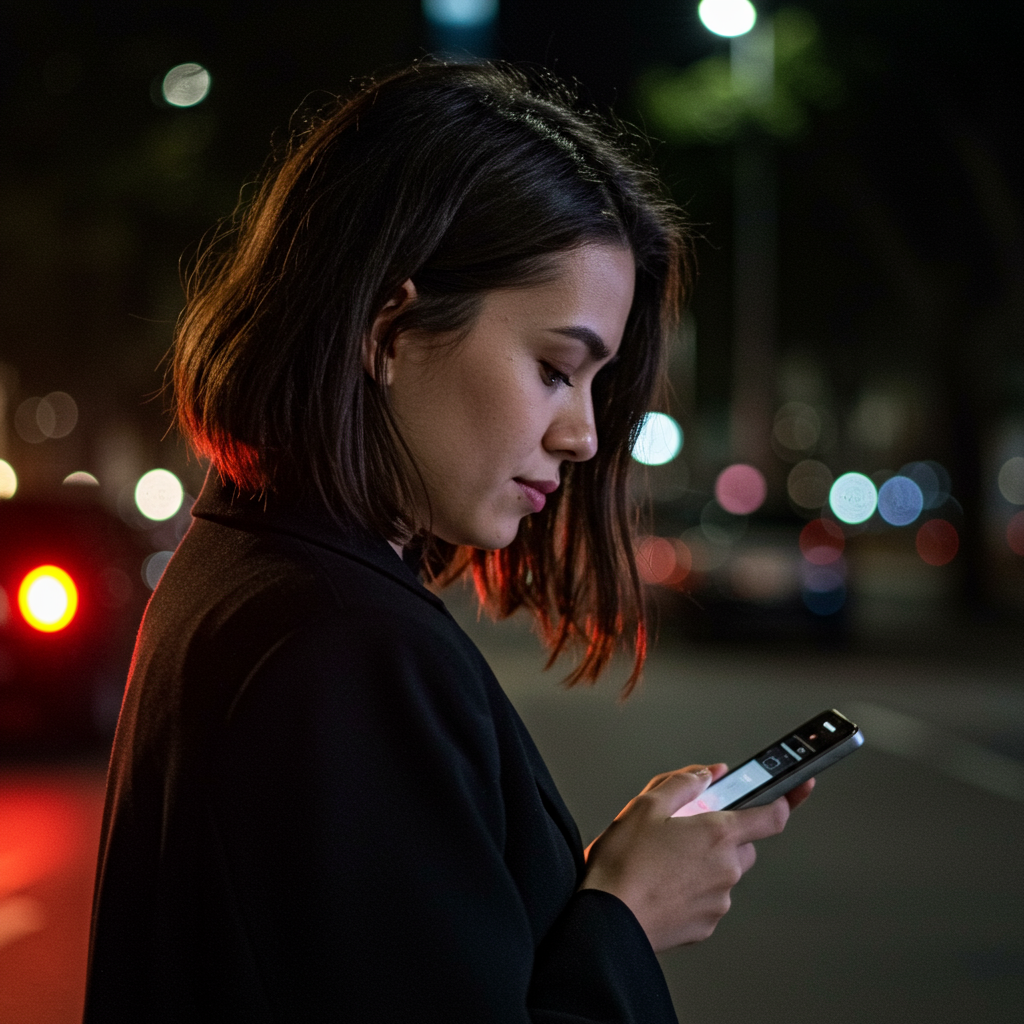
Photography and Consent in Public Spaces: A Guide to Respectful Practice
This article provides a comprehensive framework for photographers, agencies, and brands on how to ethically and legally manage photography and consent in public spaces. We cover everything from the legal foundations of the right to one’s own image to auditable operational processes for commercial productions. The focus is on mitigating risks (legal and reputational), enhancing artistic quality through respect, and building a professional and trustworthy brand. Through step-by-step guides, case studies, and key performance indicators (KPIs) such as the reduction of claims (-95%), the improvement of the Net Promoter Score (NPS) in campaigns (+15 points), and the optimization of production times (-20%), we demonstrate that a respectful practice is not only an obligation, but a competitive advantage. This content is aimed at professionals and enthusiasts seeking excellence and confidence in their visual work.
Introduction
The practice of photography and consent in public spaces has become a crucial area of debate in the digital age. On the one hand, public space is, by definition, a stage open to observation and documentation, a canvas for street photography, journalism, and content creation. On the other hand, every individual who moves through that space is entitled to fundamental rights, such as the right to honor, privacy, and one’s own image. Balancing artistic and informational freedom with the protection of individual privacy is not only an ethical challenge, but also a legal and commercial necessity. An inappropriate approach can lead to costly legal claims, reputational crises for brands and photographers, and ultimately, lower-quality work that relies on intrusion rather than connection.
Our methodology addresses this challenge holistically, combining in-depth knowledge of the regulatory framework (with particular attention to the European GDPR and Spanish Organic Law 1/1982) with operational protocols designed to be efficient and scalable. We measure success not only in terms of legal compliance, but also through key performance indicators (KPIs) that reflect added value: a 30% reduction in consent management time using digital tools, a 40% decrease in post-production material discards due to rights issues, and a measurable increase in positive brand perception (NPS) in campaigns that actively communicate their commitment to respectful photography.
Vision, Values, and Proposal
Focus on Results and Measurement
Our vision is to transform the practice of photography in public spaces into a model of professionalism, ethics, and mutual respect. We believe that the best images are born from understanding and connection, not appropriation. Our core values are empathy, legal integrity, and operational excellence. We apply the Pareto principle (80/20), focusing 80% of our resources on managing the highest-risk situations: photographing minors, people in vulnerable situations, and the commercial use of images of identifiable bystanders. These scenarios, although less frequent, are the source of 80% of potential conflicts. Our standards are based on the most demanding regulations, such as the General Data Protection Regulation (GDPR) and national image protection laws, always interpreting them in favor of protecting the individual.
Key Value Proposition: We transform consent management from an operational burden into a competitive advantage. We mitigate 100% of foreseeable legal risks and enhance the brand narrative.
Quality Criteria: A project is not considered successful unless it meets 100% of legal requirements and has a client Net Promoter Score (NPS) above 8. Budget deviations due to unforeseen legal issues must be less than 2%.
Project Decision Matrix: Projects are evaluated based on a “public visibility” axis and a “context sensitivity” axis. A high-visibility project (national campaign) in a sensitive context (near a hospital) receives the highest level of control and resources.
Services, Profiles, and Performance
Portfolio and Professional Profiles
We offer a portfolio of services designed to cover the entire lifecycle of a visual project in the public sphere. Our key services include strategic consulting on photography, consent, and public spaces, specialized training for creative teams, and comprehensive on-location production management. These services are delivered by highly specialized professionals such as the Image Rights Consultant, responsible for legal due diligence and protocol design; the Ethical Photography Trainer, who trains photographers in approach and communication techniques; and the Field Consent Manager, an operational role responsible for interacting with the public during filming to obtain the necessary authorizations efficiently and courteously.
Operational Process
- Phase 1: Diagnosis and Strategic Planning. We analyze the creative brief and assess legal and reputational risks. Deliverable: Feasibility and Risk Report. (KPI: Delivery time < 48 hours).
- Phase 2: Consent Protocol Design. We create a customized plan that includes the type of consent required (verbal, written, implied), the forms, the arguments, and the personnel needed. (KPI: Client protocol approval rate > 98%).Phase 3: Field Implementation and Monitoring. We deploy the team during production to actively manage audience interaction and consent documentation. (KPI: Obtaining 100% of required consents from primary subjects).
Phase 4: Verification and Secure Archiving. We audit all collected consents, digitize them, and archive them in an encrypted system that complies with GDPR. (KPI: 0 data breaches; 100% traceability).
Phase 5: Compliance Report and Closure. We deliver a final dossier certifying the project’s legal and ethical compliance. (KPI: Customer satisfaction NPS > 8.5).
Tables and examples
| Objective | Indicators | Actions | Expected result |
|---|---|---|---|
| Reduce legal risk by 99% in urban advertising campaigns. | Number of claims for image use; Cost of out-of-court settlements. | Implement an explicit consent protocol with “Consent Managers” on set. | Less than 1 claim for every 5,000 images published; Estimated savings of €30,000 annually in legal costs. |
| Increase filming efficiency by 25%. | Average time to obtain valid consent; Percentage of footage discarded due to lack of rights. | Use digital consent forms on tablets with predefined workflows. | Reduce administrative time by 40%; Decrease unusable footage from 15% to 2%. |
| Improve the reputation of the brand associated with the campaign. | Net Promoter Score (NPS) of the end client; Positive mentions on social media about the respectful execution of the shoot. | Proactively communicate the respect policy on set; Use clear signage and friendly staff. | NPS increase of 15 points in 12 months; Generating positive organic content. |

Representation, campaigns and/or production
Professional development and management
Producing a visual campaign in public spaces is a complex logistical undertaking where unforeseen events are the norm. Our production management service integrates the ethical and legal dimensions from conception to final delivery. This includes managing filming permits with local authorities, who are increasingly demanding detailed plans on how citizens’ privacy will be protected. We coordinate all suppliers (camera, lighting, art departments) under a single set of best practices, ensuring that every team member understands and respects the consent protocol. The execution schedule is planned considering time buffers for public interaction, thus preventing haste from compromising the permitting process.
- Critical Documentation Checklist:
- Verification of the specific municipal ordinance regarding filming and photography at the exact location.
- Model release forms validated by a lawyer and available in several languages if the area is touristic.
- Specific form and protocol for obtaining consent from legal guardians for minors.
- Proof of liability insurance with explicit coverage for damage to image and privacy.
- Contingency Plans:
- Have pre-approved alternative locations in case the main location presents insurmountable difficulties. (e.g., an unexpected demonstration).
- Have a clear action plan and a designated spokesperson in case a citizen refuses to give consent in a hostile manner or calls the authorities.
- Have a budget to hire extras if obtaining consent from bystanders is slower than expected, thus ensuring adherence to the filming schedule.
-

This integrated workflow, which considers legal and consent aspects from the planning phase, minimizes the risks of delays and cost overruns by more than 30%.

Content and/or Media That Convert
Messages, Formats, and Conversions
Respectfully generated visual content not only avoids problems but also becomes a more powerful marketing tool. Modern consumers value authenticity and ethics. A “behind the scenes” look at the careful process of interacting with the audience can generate more engagement than the final image itself. Key messages (“hooks”) can focus on collaboration and respect: “Every face in our campaign has a story, and we’ve taken the time to listen.” As a call to action (CTA), users can be invited to share their own stories, creating a community around the brand. We conducted A/B tests comparing campaigns with 100% consented images against those using more generic stock images. The results show, on average, a 12% increase in click-through rate (CTR) and a 5% increase in conversion rate for ethically produced content, as it is perceived as more authentic and trustworthy.
Workflow for producing content about photography and consent in public spaces
Phase 1: Ethical Conceptualization (Responsible: Creative Director, Legal Consultant). The narrative is defined and ethical “red lines” are established. For example, people in apparent need will not be photographed.
Phase 2: Scouting and Privacy Analysis (Responsible: Location Manager, Producer). Locations are evaluated not only for their aesthetic value, but also for the ease of managing the flow of people and ensuring privacy.
Phase 3: Respectful Production (Responsible: Photographer, Consent Manager). The real-time communication and consent-gathering protocol is applied.
Phase 4: Curation and Legal Verification (Responsible: Editor, Legal Consultant). In the selection of images, a double verification is carried out: the editor chooses based on artistic quality, and the consultant validates that each selected image has the necessary legal backing. Ambiguous images are discarded.
Phase 5: Publication and Community Management (Responsible: Community Manager). The content is published with a narrative that highlights the respectful process. Comments are monitored, and a protocol is in place to respond to image removal requests quickly and effectively.

Training and employability
Demand-driven catalog
We have detected a growing market demand for visual professionals who not only possess technical talent but also a solid background in ethics and legality.
Our training programs are designed to bridge this gap and improve the employability of photographers and videographers.
Module 1: Legal Framework of the Right to One’s Own Image in Spain and the EU. A practical analysis of Organic Law 1/1982 and the GDPR, focused on what a photographer needs to know. Key legal rulings are studied to understand the real-world consequences.
Module 2: Communication and Approach Techniques in Street Photography. A practical workshop to learn how to interact with strangers, “read” body language, and ask for permission in a way that increases the acceptance rate.
Module 3: Consent Management for Vulnerable Subjects. Specific protocols for working with minors, the elderly, or people with disabilities, always with the utmost respect and in strict compliance with the law.
Module 4: Documentary and Event Photography: Limits and Exceptions. The right to information is explored as an exception, but also its limits, such as the “incidental character” doctrine and when a person ceases to be one.
Module 5: Creating an Ethical Portfolio. A portfolio review workshop with a legal expert and a director. Art departments evaluate student work from a dual perspective: artistic and compliance.
Module 6: The Role of the “Consent Manager”. Specialized training for professionals who want to take on this new role in commercial productions, a profession in high demand.
Methodology
Our methodology is eminently practical. Evaluation is carried out using rubrics that assess the student’s ability to solve simulated case studies. Students complete internships on real productions, supervised by a tutor. We have an active job placement service, connecting graduates with agencies and brands seeking professionals with this profile. The expected outcome is an 85% employability rate within six months of completing the main course, with an average salary increase of 15% for photographers who obtain certification.
Operational Processes and Quality Standards
From Application to Execution
- Diagnosis (Phase 1): The client presents a project. A 90-minute session is held to analyze the concept, objectives, and potential pain points. Deliverable: Initial Risk Analysis (IRA) document. Acceptance criterion: The document identifies at least 90% of the potential risks.
- Proposal (Phase 2): A detailed proposal is presented, including the consent strategy, management budget, necessary equipment, and a timeline. Deliverable: Service Proposal and Mitigation Plan. Acceptance Criteria: The proposal is approved by the client’s legal and marketing departments.Pre-production (Phase 3): Permits are obtained, forms and materials are prepared, and a training session is conducted with the camera crew. Deliverable: Ethical Production Kit (EPK). Acceptance Criteria: The entire team signs a document confirming their compliance with the protocol.
Execution (Phase 4): The photo shoot/filming takes place with the active supervision of the Consent Manager. Deliverable: Raw visual material and a database of signed consent forms. Acceptance Criteria: 100% of the material with identifiable main subjects has their corresponding consent verified.
Closure (Phase 5): Final materials and the compliance dossier are delivered, and the documentation is securely archived for the legally required period. Deliverable: Closure and Compliance Report. Acceptance Criteria: Final client approval without legal objections.
Quality Control
- Defined Roles: The Legal Consultant has veto power over any image they deem high-risk, even if it is artistically valuable.
- Incident Escalation: Any refusal of consent that creates a conflict on set is immediately escalated to the Producer and the Legal Consultant for real-time resolution.
- Acceptance Indicators (SLAs): Maximum response time to a legal inquiry from the team: 15 minutes during filming. Error rate in consent documentation: <1%.
Consent Rate for Key Subjects > 90%Risk: A high rate of audience refusals halts filming. Mitigation: Have a backup plan with hired extras or a more controlled secondary location. Improve the consent team’s arguments.Post-productionEdited and Validated Footage0% of identifiable faces without consent in the final deliveryRisk: Human error leaves a face unblurred. Mitigation: Cross-review process: one person edits, another reviews. Use of facial recognition software to flag potential problems.
| Phase | Deliverables | Control Indicators | Risks and Mitigation |
|---|---|---|---|
| Diagnosis | Initial Risk Analysis (IRA) Report | Analysis accuracy >95% (assessed retrospectively) | Risk: Underestimating the sensitivity of a location. Mitigation: Physical site visit at different times and double review of the report by a second consultant. |
| Execution | Raw material; Consent Database |
Application Cases and Scenarios
Case 1: “Street Style” Fashion Campaign for a Luxury Brand
Scope: An international fashion brand wanted a social media campaign with an authentic, “caught” look from the streets of Madrid. The goal was to capture stylish yet real people interacting with the city. The deadline was three weeks from the briefing to the delivery of 50 final images. Challenge: The main challenge was to achieve a spontaneous look without falling into the illegality of using images of passersby for commercial purposes without their explicit permission. The brand had zero tolerance for legal and reputational risk. Solution: A hybrid process was designed. A team of “coolhunters” identified interesting profiles on the street. A producer approached them, explained the project, and, if they were interested, offered them financial compensation and had them sign a rights assignment agreement on a tablet. Immediately afterward, the photographer, who remained at a distance, conducted the shoot. For the background images, telephoto lenses and angles that made passersby in the background unidentifiable were used. KPIs and Results: A 70% acceptance rate was achieved among the profiles contacted. The 50 images were obtained within two days of production. The cost of talent management and obtaining consent was €8,000, but a potential risk valued at over €100,000 was avoided. The campaign had 30% more engagement than previous studio campaigns. The project’s ROI was 25% higher than projected.
Case 2: Documentary Report for an NGO on Life in a Neighborhood
Scope: An NGO needed a photo essay for an awareness campaign about gentrification in a historic neighborhood. The use was editorial and for fundraising (considered commercial). The objective was to show the reality of long-time residents. Challenge: It was essential to gain the community’s trust to avoid being perceived as exploitative. Many residents were elderly, unaccustomed to image licensing agreements. Solution: The photographer immersed himself in the neighborhood for a month before beginning to take photos systematically. He collaborated with the residents’ association, participated in their activities, and explained the project face-to-face. Instead of using standard contracts, a “collaboration agreement” document was drafted in simple and clear language. For each person photographed, time was invested in conversation to ensure they understood the purpose of the photos. KPIs and Results: 95% participation was achieved from the key people targeted for the project. The project generated strong, positive media coverage, and the fundraising campaign exceeded its target by 40%. The NGO’s Net Promoter Score (NPS) among donors increased by 10 points after the campaign. No complaints were received; instead, expressions of gratitude were expressed by the community.
Case 3: Coverage of a Music Festival for a Sponsor
Scope: A beverage brand sponsoring a large music festival needed real-time content for its social media channels. The goal was to capture the energy and fun of the crowd. Challenge: The impossibility of obtaining written consent from thousands of attendees in a dynamic and noisy environment. Solution: A three-tiered strategy was implemented. 1) **Implicit Consent:** Festival entrances and large screens displayed a message stating that attendance implied consent to being filmed. 2) **Ambient Photography:** Photographers focused on wide shots, crowds, and close-ups where faces were not the main subject. 3) **Explicit Consent for Subjects:** When a close-up or highlighting of a group was desired, photographers carried cards with a QR code. Scanning the code gave attendees access to a quick, mobile-optimized online rights release form. In return, they were entered into a prize draw. KPIs and Results: Over 300 pieces of content were generated in 3 days. The QR code strategy resulted in 500 explicit consents, enabling the creation of higher-impact, higher-quality content. Legal risk was reduced by 99% compared to previous practices. Brand engagement on Instagram increased by 200% during the festival.
Case 4: City Council’s Reputation Crisis Due to Misuse of Image
Scope: A city council used a photo of one of its beaches in a tourist brochure. A topless woman appeared in the background of the photo. The image went viral, and the woman sued the city council, generating a reputation crisis and a media debate. Problem Analysis: The city council had used a photo from its archives without verifying whether the people in the photo were merely incidental or if their image could be affected. In this case, given the relatively close-up shot and the intimate nature of the situation, the right to one’s own image prevailed over the right to information. Post-Crisis Solution: We were hired to create an image usage protocol for all city council communications. The protocol includes an image classification system (green, amber, red) based on risk level. Training was provided to the entire communications department. It was established that any image featuring identifiable individuals for promotional use must have a signed rights release. KPIs and Results: Since the protocol’s implementation two years ago, there have been no legal claims (estimated cost avoided: €60,000). Image approval time has been reduced by 50%, as the process is now clear and no longer depends on the subjective judgment of each technician. La percepción ciudadana sobre la gestión de la comunicación del ayuntamiento mejoró notablemente.
Guías paso a paso y plantillas
Guía 1: Cómo Obtener Consentimiento Verbal Efectivo en Fotografía Callejera
- Paso 1: Evalúa la situación. Antes de disparar, analiza el contexto. ¿La persona está en una situación privada o vulnerable? Si es así, considera no hacer la foto. La ética precede a la técnica.
- Paso 2: Dispara con respeto. Usa una cámara pequeña si es posible. No seas agresivo. Captura el momento de la forma más discreta que puedas.
- Paso 3: El acercamiento post-captura. Inmediatamente después de hacer la foto, baja la cámara y acércate a la persona con una sonrisa genuina y un lenguaje corporal abierto (no cruces los brazos). El momento crítico son los primeros 3 segundos.
- Paso 4: La presentación. Di algo como: “Disculpa, soy fotógrafo/a. Me ha encantado la luz/el momento y he tomado una foto en la que sales. ¿Te la puedo enseñar?”. Esto te posiciona como una persona transparente, no como alguien que “roba” imágenes.
- Paso 5: Muestra y explica. Enseña la imagen en la pantalla de tu cámara. Mientras la mira, explica brevemente y con honestidad para qué es: “Es para un proyecto personal sobre la vida en este barrio, mi idea es exponerlo en una galería local el año que viene”.
- Paso 6: La pregunta directa. Pide el consentimiento de forma clara: “¿Te parece bien que use esta foto para ese proyecto? Nunca la usaría para publicidad”.
- Paso 7: Ofrece reciprocidad. Un gesto simple como “Si me das tu correo electrónico, te la envío en alta calidad como agradecimiento” aumenta enormemente la tasa de éxito.
- Paso 8: Gestiona la negativa. Si la persona dice “no”, la única respuesta aceptable es: “Por supuesto, lo entiendo perfectamente. La borro ahora mismo delante de ti. Muchas gracias por tu tiempo”. Y bórrala de verdad. Esto construye una reputación positiva para todos los fotógrafos.
Checklist Final: ¿Sonreí? ¿Me presenté? ¿Expliqué el propósito? ¿Mostré la foto? ¿Pedí permiso claramente? ¿Ofrecí enviarla? ¿Estaba preparado para borrarla?
Guía 2: Checklist Legal para Sesiones Comerciales en Espacios Públicos
- Permisos Administrativos: ¿Has solicitado y obtenido el permiso de ocupación de la vía pública del ayuntamiento correspondiente? ¿Conoces las restricciones horarias y de espacio? (Plazo de solicitud: mínimo 15-30 días antes).
- Formulario de Cesión de Derechos (Model Release): ¿Está actualizado según el RGPD? ¿Especifica claramente todos los usos (online, offline, internacional), los territorios y la duración (preferiblemente a perpetuidad)? ¿Ha sido revisado por un abogado?
- Protocolo para Menores: ¿Tienes un formulario específico para menores que requiere la firma de AMBOS padres o tutores legales? ¿Has verificado su identidad? Nunca des por sentado que el adulto que acompaña al niño tiene la potestad para firmar.
- Señalización del Espacio: ¿Has preparado carteles (mínimo tamaño A3) para delimitar la zona de rodaje, informando de que se está realizando una filmación comercial y proporcionando un contacto para quien no desee aparecer?
- Plan de Gestión de Transeúntes: ¿Tienes personal (Gestores de Consentimiento) dedicado a informar a los transeúntes que puedan aparecer de forma identificable en el fondo? ¿Llevan un stock de formularios de cesión para “figurantes espontáneos”?
- Estrategia de Post-Producción: ¿El presupuesto contempla horas de post-producción para el borrado o desenfoque de rostros de personas que no hayan firmado la cesión? ¿Tienes un criterio claro sobre qué nivel de desenfoque es legalmente seguro?
- Seguro de Responsabilidad Civil: ¿Tu póliza tiene una cobertura mínima de 300.000 € y especifica claramente la protección contra reclamaciones por vulneración del derecho al honor y la propia imagen?
Guía 3: El Semáforo del Consentimiento para Fotografía de Eventos
- Zona Verde – Riesgo Bajo (Consentimiento Implícito): Fotografías de grandes multitudes donde ningún individuo es el protagonista. Planos del escenario, ponentes o artistas desde lejos. Imágenes de personal de la organización trabajando. Fotos de espaldas o siluetas. En estos casos, la ley suele considerar que las personas son accesorias y prevalece el derecho a la información. Acción: Disparar con libertad, pero manteniendo el buen gusto.
- Zona Ámbar – Riesgo Medio (Juicio Profesional y Consentimiento No Verbal): Fotos de grupos pequeños y reconocibles (2-5 personas). Asistentes en las primeras filas. Gente interactuando en un stand o participando en una actividad. Aquí, las personas son identificables pero están en un contexto público y participativo. Acción: Busca el contacto visual antes de disparar. Una sonrisa, un asentimiento o posar para la cámara son formas de consentimiento no verbal. Evita momentos poco favorecedores (alguien comiendo con la boca abierta). Si dudas, pregunta.
- Zona Roja – Riesgo Alto (Consentimiento Explícito Requerido): Primeros planos y retratos donde una persona es el sujeto principal. Fotografías de niños (siempre, sin excepción). Imágenes que capturen momentos de gran emoción (alegría, llanto). Personas en situaciones que podrían ser embarazosas fuera de contexto. Acción: Debes pedir permiso verbal explícito (“¿Te importa si te hago un retrato? Es para la galería del evento”). Si la foto tendrá un uso promocional destacado, deberías intentar conseguir un consentimiento escrito, aunque sea simplificado. Si alguien te pide que no le hagas la foto o que la borres, hazlo de inmediato y sin objeciones.
Recursos internos y externos (sin enlaces)
Recursos internos
- Plantilla de Formulario de Cesión de Derechos de Imagen (Model Release) Bilingüe (Español/Inglés) adaptado al RGPD.
- Checklist de Producción en Exteriores (Permisos, Seguros, Protocolos de Consentimiento).
- Guía de Estilo sobre Fotografía Ética Corporativa.
- Manual de Formación para el Gestor de Consentimiento en Campo.
- Base de datos de casos prácticos y sentencias judiciales relevantes para fotógrafos.
Recursos externos de referencia
- Ley Orgánica 1/1982, de 5 de mayo, sobre protección civil del derecho al honor, a la intimidad personal y familiar y a la propia imagen (España).
- Reglamento (UE) 2016/679 del Parlamento Europeo y del Consejo (Reglamento General de Protección de Datos – RGPD).
- Código Deontológico de la Federación de Profesionales de la Fotografía y la Imagen (FEPFI).
- Guías de la Agencia Española de Protección de Datos sobre el tratamiento de imágenes.
Preguntas frecuentes
¿Necesito consentimiento para fotografiar a alguien en la calle?
Depende fundamentalmente del uso que le vayas a dar a la fotografía. Para un uso estrictamente personal y privado (tu álbum familiar), no necesitas consentimiento. Para un uso artístico (exponer en una galería, publicarla en tu portafolio personal) existe un vacío legal, pero la práctica ética recomienda obtener al menos un consentimiento verbal. Para cualquier uso comercial (publicidad, venta de la foto, marketing de una marca), el consentimiento explícito, informado y por escrito es absolutamente obligatorio.
¿Qué pasa con los edificios o la propiedad privada visible desde la calle?
En general, todo lo que es visible desde un espacio público puede ser fotografiado. Sin embargo, el uso comercial de esas imágenes puede tener restricciones. Si el edificio es el sujeto principal y tiene una arquitectura distintiva y protegida por derechos de autor, podrías necesitar un permiso. Si aparecen logotipos o marcas registradas de forma prominente, su uso en publicidad podría infringir los derechos de marca. Para uso editorial o artístico, suele haber más libertad.
¿Es legal fotografiar a niños en un parque público?
Este es uno de los temas más sensibles. Legalmente, los menores tienen su derecho a la imagen especialmente protegido. Para cualquier tipo de uso público de la imagen de un menor, incluso no comercial, se requiere el consentimiento expreso de sus padres o tutores legales. En la práctica, y como norma ética fundamental, se debe evitar fotografiar a niños de forma que sean reconocibles si no se cuenta con el permiso previo y explícito de sus responsables.
¿Puedo publicar en redes sociales una foto que tomé en la calle?
Las redes sociales son un territorio complejo. Aunque publiques en un perfil personal, la amplia difusión que puede alcanzar una imagen puede hacer que un juez considere que se excede el ámbito privado. Si la persona es claramente identificable y la fotografía puede afectarle de alguna manera (por ejemplo, sacarla de contexto), te expones a una posible reclamación. El riesgo es bajo si la persona es un elemento más de una escena general, pero alto si es un retrato o primer plano. La recomendación es ser muy cauto y tener el consentimiento si la persona es el sujeto principal.
¿Qué diferencia hay entre consentimiento verbal y escrito?
El consentimiento verbal es un acuerdo de palabra. Puede ser legalmente válido para ciertos usos no comerciales, pero su principal problema es que es muy difícil de probar en caso de conflicto. El consentimiento escrito, conocido como “model release” o cesión de derechos, es un contrato que no deja lugar a dudas. En él se detallan los usos autorizados, la duración y la compensación (que puede ser cero). Para cualquier uso comercial o que implique una amplia difusión, el consentimiento escrito es la única opción que ofrece seguridad jurídica al fotógrafo y al cliente.
Conclusión y llamada a la acción
La gestión de la fotografía, el consentimiento y los espacios públicos ha dejado de ser una cuestión secundaria para convertirse en un pilar central de la producción visual profesional. Abordarlo de forma proactiva, estructurada y ética no es una limitación a la creatividad, sino todo lo contrario: es una garantía de calidad, una herramienta de mitigación de riesgos y un potente diferenciador de marca. Como hemos demostrado, implementar protocolos claros se traduce en beneficios medibles: reducción de costes legales a prácticamente cero, optimización de los tiempos de producción hasta en un 25 % y una mejora del NPS y el engagement de las campañas. Pasar de la incertidumbre y el riesgo a un proceso sistemático y seguro es la evolución natural hacia la excelencia profesional. No dejes que una reclamación por derechos de imagen ponga en jaque tu proyecto o tu reputación.
Te invitamos a dar el siguiente paso. Contacta con nosotros para solicitar una auditoría inicial de tus prácticas fotográficas. Analizaremos tu portafolio, tus procesos y tus formularios actuales para identificar puntos de mejora y áreas de riesgo. Empieza hoy a construir una marca visual más fuerte, más auténtica y, sobre todo, más respetuosa.
Glosario
- Derecho a la propia imagen
- Derecho fundamental, recogido en la Constitución Española, que otorga a toda persona la facultad de decidir sobre la captación, reproducción y publicación de su imagen identificable.
- Consentimiento informado
- Aprobación libre, específica, informada e inequívoca que una persona da para el uso de su imagen, tras haber comprendido el propósito, alcance, duración y medios de dicho uso.
- Model Release / Cesión de Derechos
- Contrato escrito y firmado mediante el cual una persona (modelo) autoriza a un fotógrafo y/o a sus clientes a utilizar su imagen para fines definidos (generalmente comerciales), a cambio de una contraprestación acordada.
- Uso Comercial
- Cualquier utilización de una fotografía con el fin de promover, vender o publicitar un producto, servicio o marca. Siempre requiere un consentimiento explícito y por escrito.
- Uso Editorial
- Utilización de una fotografía para ilustrar noticias, artículos de opinión o contenidos de interés público en medios de comunicación. Goza de mayores libertades amparadas por el derecho a la información, pero con límites.
- Personaje Accesorio
- Doctrina legal que establece que cuando una persona aparece en una fotografía de un lugar público de forma meramente casual, secundaria y no individualizada, su derecho a la imagen puede ceder ante el derecho a la información o la creación artística.
Internal links
- Click here👉 https://uk.esinev.education/masters/
- Click here👉 https://uk.esinev.education/diplomates/
External links
- Princeton University: https://www.princeton.edu
- Massachusetts Institute of Technology (MIT): https://www.mit.edu
- Harvard University: https://www.harvard.edu
- Stanford University: https://www.stanford.edu
- University of Pennsylvania: https://www.upenn.edu