

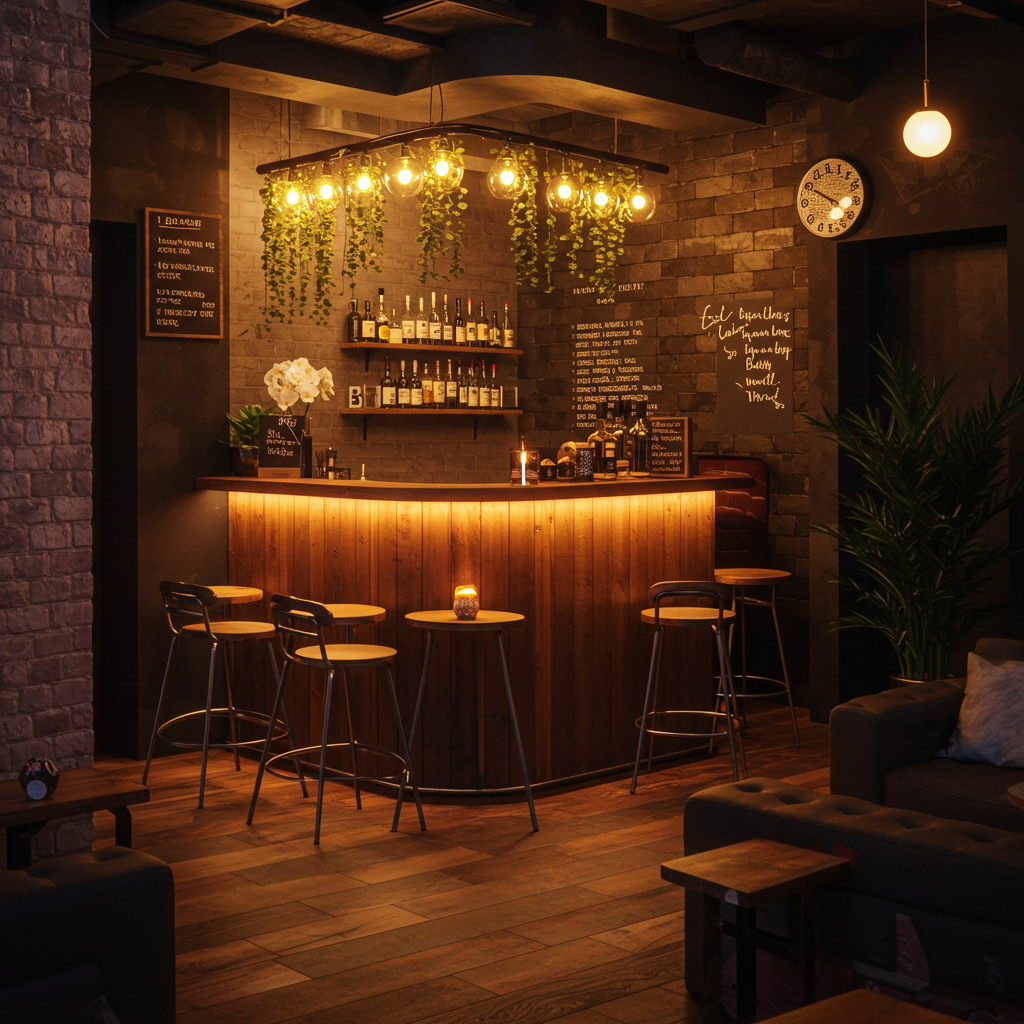
The Definitive Guide to Boutique Venues in Shoreditch and South Bank: Why Small Spaces Deliver Big Wins
In a world saturated with large-scale, impersonal events, the strategic choice of a unique venue can be a brand’s most powerful asset. This article provides a comprehensive framework for leveraging boutique venues in Shoreditch and South Bank, two of London’s most sought-after postcodes. We target event planners, brand managers, and venue operators, demonstrating how intimate spaces drive superior engagement and measurable returns. By focusing on a data-driven approach, we outline processes that enhance guest experience, streamline operations, and increase key performance indicators (KPIs) such as Net Promoter Score (NPS), booking conversion rates, and overall event ROI. The proposal is simple: smaller venues, when chosen and managed correctly, create more impactful, memorable, and profitable experiences.
Introduction
The event industry has undergone a significant paradigm shift. The era of “bigger is better” is being challenged by a growing demand for authenticity, personalization, and memorable experiences. Corporate clients and private individuals alike are seeking environments that tell a story and foster genuine connection. This is where the strategic value of boutique venues in Shoreditch and South Bank comes to the forefront. These areas, celebrated for their unique cultural identities—Shoreditch with its creative, tech-driven edge and South Bank with its iconic cultural landmarks and riverside views—offer a curated selection of small-scale venues that punch far above their weight. These spaces are not merely locations; they are integral components of the event’s narrative, capable of transforming a simple gathering into a high-impact brand activation, an inspiring corporate retreat, or an unforgettable private celebration.
This guide adopts a practical, results-oriented methodology. We will dissect the entire lifecycle of selecting and managing these exclusive venues, from initial sourcing to post-event analysis. Success will be measured not by abstract concepts but by concrete KPIs. We’ll explore how to achieve a client Net Promoter Score (NPS) of 9.0 or higher, reduce budget deviation to less than 5%, increase booking conversion rates by optimizing the client journey, and ultimately demonstrate a tangible Return on Investment (ROI) for both the event host and the venue owner. We will provide actionable checklists, process flows, and real-world case studies to empower you to win with small venues.
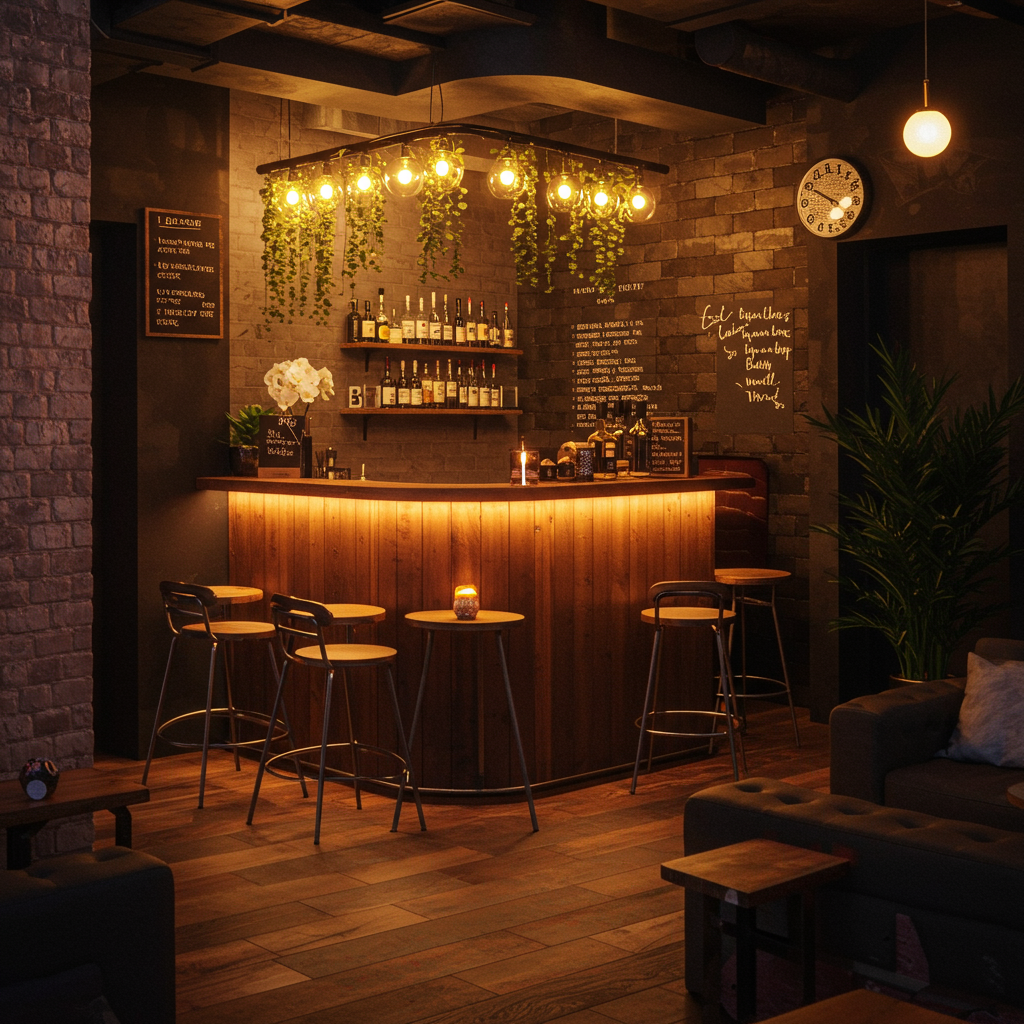
Vision, values and proposal
Focus on results and measurement
Our vision is to redefine the perception of small event spaces, positioning them as the premier choice for quality-focused clients. We operate on a core set of values: exclusivity, precision in execution, and a partnership approach. We believe in the Pareto principle (the 80/20 rule): 80% of an event’s success comes from 20% of the inputs. Our mission is to identify and perfect that critical 20%, which includes venue selection, guest journey, and key sensory touchpoints. Our technical standards are uncompromising, ensuring every venue we recommend or manage meets stringent criteria for safety, technology infrastructure (e.g., dedicated fiber broadband with >100 Mbps symmetrical speeds), and acoustic performance (e.g., ambient noise levels below 45 dB for speaking events).
- Key Propositive Value: We transform spaces into experiences. By focusing on boutique venues, we offer clients a competitive advantage through uniqueness and a higher level of personalization.
- Quality Criteria: Every venue is assessed using a 50-point checklist covering accessibility (compliance with the Equality Act 2010), technical capabilities, supplier flexibility, and integrity aesthetic.
- Decision Matrix for Venue Selection: We employ a weighted scoring system for venue selection, prioritising factors based on specific client goals. For a tech launch, ‘brand alignment’ and ‘tech infrastructure’ might be weighted at 30% each, whereas for a private dinner, ‘ambiance’ and ‘catering quality’ would take precedence.
- Sustainability: We prioritize venues with demonstrable green credentials, such as zero-waste-to-landfill policies, use of renewable energy, and sourcing from local suppliers to reduce carbon footprint.
Services, profiles and performance
Portfolio and professional profiles
Our services are designed to address every aspect of the boutique venue ecosystem. We cater to two primary client profiles: event hosts seeking the perfect space, and venue owners aiming to maximize their asset’s potential. Our offerings include venue sourcing and negotiation, full-service event production, operational consultancy for venue managers, and targeted marketing campaigns to increase bookings for boutique venues in Shoreditch and South Bank.
Operational process
- Phase 1: Discovery and Strategy (Weeks 1-2): In-depth consultation to understand event objectives, audience demographics, and brand identity. KPI: 100% clarity on client goals before proceeding. Deliverable: Detailed Event Brief.
- Phase 2: Selection and Proposal (Week 3): Present a curated shortlist of 3-5 vetted venues with a comparative analysis. KPI: Reduce client’s research time by 90%. Deliverable: Venue Proposal with transparent costings.
- Phase 3: Planning and Production (Weeks 4-10): Meticulous planning of all logistics, including supplier management, scheduling, and risk assessment. KPI: All major suppliers confirmed 6 weeks pre-event. Deliverable: Master Production Schedule and Event Order.
- Phase 4: Execution and Management (Event Day): On-site management to ensure flawless execution and immediate problem-solving. KPI: On-site issues resolved in under 15 minutes.
- Phase 5: Analysis and Report (1 Week Post-Event): Collection of feedback, budget reconciliation, and performance analysis. KPI: Deliver a comprehensive post-event report demonstrating ROI. NPS target > 9.0.
Charts and examples
Collaborate on networking events with luxury brands.Increase ADR by 18% in 12 months. Secure at least 5 high-profile client events per quarter. Our audited operating process guarantees consistency and quality, minimizing risk and maximizing value for the client at every stage.
| Objective | Indicators | Actions | Expected result |
|---|---|---|---|
| Increase weekday bookings (Tuesday-Thursday) | Weekday occupancy rate; Revenue per day of the week. | Create all-inclusive “Day Delegate Rate” (DDR) corporate packages. Launch a digital marketing campaign targeting EAs and PAs within a 5 km radius. | 20% increase in weekday occupancy in 6 months. 15% increase in RevPAR (Revenue Per Available Room/Space). |
| Improve customer satisfaction | NPS score; Customer repeat rate; Online reviews. | Implement a dedicated event manager per client. Send personalized feedback surveys 24 hours after the event. | Achieve an NPS score of 9.2 (from 8.5). Increase the customer repeat rate to 35% within one year. |
| Position the venue as a premium space | Average daily rate (ADR); Customer quality (luxury brands, FTSE 250 companies). | Invest in high-quality photography and virtual tours. |
Representation, Campaigns and/or Production
Professional Development and Management
The flawless execution of an event in a boutique space depends on rigorous production management. Unlike large hotels, these venues often require the planner to bring in and coordinate all external suppliers. Our role is to act as the central director, ensuring that every element—from catering and staff to audiovisual equipment and security—works in perfect harmony. We manage all the logistics, including obtaining the necessary licenses, such as Temporary Event Notices (TENs) from the relevant council (Hackney for Shoreditch, Southwark or Lambeth for South Bank), which are crucial for serving alcohol or having live entertainment. We create detailed execution schedules, from equipment loading to dismantling, minimizing the impact on the venue and neighboring properties.
Critical Documentation Checklist: Signed supplier contracts, third-party liability insurance certificates, Risk Assessments and Methods Statements (RAMS), TENs, and PPL/PRS licenses for music.
Contingency Planning: For each key supplier (catering, AV), we have a pre-approved backup supplier on standby. For events with outdoor components, a comprehensive bad weather plan is prepared.
Supplier Management: We maintain a “preferred list” of suppliers who understand the specific needs of London’s boutique venues, ensuring superior quality and reliability.
Regulatory Compliance: We guarantee strict adherence to health and safety regulations, including capacity limits, clear emergency exits, and fire safety protocols.

Content and/or Media That Convert
Messaging, Formats, and Conversions for Boutique Venues in Shoreditch and South Bank
Marketing a boutique venue relies on visual storytelling and evoking an exclusive experience. Content must go beyond simple capacity and cost specifications. The “hook” is the unique atmosphere of the space. Our content approach focuses on creating digital assets that allow potential customers to imagine themselves at the venue. Calls to action (CTAs) are designed to be low-commitment and high-value, such as “Download a floor plan with layout ideas” or “Take a 360° virtual tour.” We conduct A/B testing on website CTAs to optimize visit-to-inquiry conversion rates, aiming for a conversion rate above 3.5%. The content should highlight why an event at one of the boutique venues in Shoreditch or South Bank is a statement of intent in itself.
- Phase 1: Content Audit and Strategy: We analyze existing assets and define a content strategy based on the target audience. The content pillars are identified (e.g., “tech product launches,” “intimate dinners,” “fashion photoshoots”).Phase 2: Production of Key Assets: A professional photo and video shoot is organized to capture the venue in different configurations and lighting conditions. A Matterport virtual tour is created.
Phase 3: Development of Supporting Content: Detailed case studies of past events are written. SEO-optimized blog posts are created on topics such as “Corporate Event Ideas in Shoreditch.”
Phase 4: Distribution and Promotion: Assets are published on the website, promoted on social media (Instagram, LinkedIn), and used in email campaigns targeting a database of event planners.
Phase 5: Measurement and Optimization: Tools such as Google Analytics and Hotjar are used to track content performance, measuring metrics such as time on page, bounce rate, and lead conversions.
Figure
A conversion funnel showing the customer journey from awareness to booking a venue. style=”width:100%;height:auto;border:1px solid #ccc;”>
Our conversion funnel-based approach ensures that every piece of content guides the potential customer toward inquiry and booking.
Training and employability
Demand-driven catalog
To maintain the highest service standards, ongoing training is essential for both venue staff and event planners.
We offer a catalog of training modules designed to address the unique challenges and opportunities of boutique venues.
Module 1: Boutique Venue Management: Dynamic pricing strategies, calendar management, and maximizing the profitability of small venues.
Module 2: Marketing and Sales for Unique Venues: Venue branding, content marketing, local SEO for terms like “boutique venues Shoreditch,” and consultative selling techniques.
Module 3: Excellence in High-End Customer Service: Techniques for delivering personalized service and anticipating the needs of discerning clients.
Module 4: Technical Production in Unconventional Venues: AV, lighting, and streaming fundamentals for venues without built-in infrastructure.
Module 5: Sustainability in Small Events: Implementing sustainable practices that do not compromise quality.
Methodology
Our training methodology is practical and immersive. We use a blended learning approach, with online theory followed by hands-on workshops at one of our partner venues. Assessment is based on clear rubrics and the completion of a practical project, such as developing a complete event proposal for a simulated client. We collaborate with leading event agencies in London to offer internship opportunities and a job placement service for top graduates, aiming for an 85% employability rate within six months of course completion.
Operational Processes and Quality Standards
From Request to Execution
A standardized and transparent operational process is the backbone of a high-quality service. Our pipeline is designed to be efficient, predictable, and customer-centric.
- Diagnosis (0-48 hours): Request receipt, initial qualification call to confirm budget, capacity, and key dates. Deliverable: Qualification Summary. Acceptance Criteria: Confirmation that the request is viable.Proposal (Days 3-5): Creation and submission of a visually appealing and detailed proposal, with venue options and a clear cost breakdown. Deliverable: Customized Proposal. Acceptance Criteria: Client confirms their interest in proceeding with a site visit.
Pre-production (From contract signing to 1 week before the event): After contract signing and deposit payment, detailed planning begins. A dedicated event manager is assigned. Deliverable: Detailed Event Order (EO), timelines, and floor plans. Acceptance Criteria: EO signed by the client.
Execution (Day of the event): The event manager is on-site to oversee all aspects, from setup to teardown. Deliverable: Event executed according to the EO. Acceptance Criteria: Adherence to the schedule with a deviation of less than 5%.
Closure (1-2 weeks post-event): Final budget reconciliation, sending of the final invoice, and request for feedback via an NPS survey. Deliverable: Post-Event Report and Final Invoice. Acceptance Criteria: Payment received and feedback collected.
Quality Control
- Clear Roles: Each project has an assigned Account Executive (sales) and Event Manager (operations).
- Escalation Points: Defined protocols for escalating issues to management if they cannot be resolved at the project level.
- Acceptance Indicators: Each key deliverable (proposal, EO) requires the client’s signature before moving to the next phase.
- SLAs (Service Level Agreements): We commit to responding to client inquiries within 4 business hours and delivering proposals within 72 hours of the qualification call.
| Phase | Deliverables | Control Indicators | Risks and Mitigation |
|---|---|---|---|
| Diagnosis | Qualification Summary | Response Time < 4h; Qualification Rate > 80% | Risk: Incomplete Customer Information. Mitigation: Structured Application Form and Mandatory Qualification Call. |
| Proposal | Customized Proposal | Proposal to Visit Conversion Rate > 60%; Proposal submitted within 72 hours
Risk: The proposed venue is unavailable. Mitigation: Confirmation of provisional availability before including it in the proposal. Pre-production Event Order (EO) signed EO finalized 2 weeks before the event; all vendors confirmed. Risk: Last-minute changes by the client. Mitigation: Clear change policy in the contract and proactive communication. Execution Successful event Positive on-site feedback; Schedule deviation <5%. Risk: AV technical failure. Mitigation: On-site AV technician and backup team for critical components. |
|
| Closure | Post-Event Report | NPS > 9.0; Final invoice with deviation < 2% of budget. | Risk: Invoice dispute. Mitigation: Transparent cost breakdown and pre-approval of all additional expenses. |
Application Cases and Scenarios
Case 1: Launching a FinTech App in a Shoreditch Warehouse
Challenge: A fintech startup needed a venue to launch its new app that reflected its disruptive and innovative brand. They wanted to avoid traditional corporate hotels and create an immersive experience for 120 journalists, investors, and industry influencers. The budget was £30,000.
Solution: We identified and secured a converted warehouse near Old Street, with exposed brick and high ceilings. We designed an event that used the space creatively: an app demo area with interactive stations, a networking area catered by local gourmet food trucks, and a main stage for the presentation. Projection mapping was used on the brick walls to dynamically display the app interface. The turnaround time was 8 weeks.
Results: The event generated over 250 media and social media mentions within the first 48 hours. The app adoption rate among attendees was 85%. The client’s NPS score was 9.8/10. The final cost was £29,500, 1.7% below budget. ROI was estimated at 400% based on the media value generated and investment leads obtained.
Case 2: Luxury Fashion Brand Pop-Up Shop on the South Bank
Challenge: An international fashion brand wanted to launch a capsule collection in London with a two-week pop-up shop. They needed a location with high foot traffic from their target audience, a premium aesthetic, and the flexibility for a complete interior refurbishment. The objective was both sales and generating media buzz.
Solution: We secured a blank gallery space with floor-to-ceiling windows near Tate Modern, guaranteeing high visibility. We managed the design and construction of a bespoke interior, including modular displays, museum-quality lighting, and a VIP area. We coordinated the sales staff, security, and daily logistics. An exclusive launch night was organized for press and influencers.
Results: Sales exceeded forecasts by 30%. The store generated an average of 200 visitors per day. The launch night resulted in coverage in publications such as Vogue and Harper’s Bazaar. The ADR (Average Daily Rate) achieved by the space was 50% higher than that of a standard gallery rental, demonstrating the value of professional management.
Case 3: Strategic Board Retreat in Shoreditch
Challenge: The board of directors of a FTSE 100 company needed a discreet and stimulating venue for a two-day strategic retreat. They required absolute privacy, flawless conferencing technology, and an atmosphere that fostered creative thinking.
Solution: We selected a private penthouse in Shoreditch, not publicly listed as a venue, with a boardroom, lounge areas, and a terrace overlooking the city. A dedicated, encrypted internet line and a state-of-the-art videoconferencing system were installed. A private chef was hired for all catering, tailored to the executives’ dietary preferences. Executive transportation and security were arranged.
Results: The client appreciated the exclusivity and flawless execution. Feedback indicated that the unconventional environment contributed to a more productive and collaborative outcome compared to previous retreats in 5-star hotels. The total cost was 20% lower than that of an equivalent hotel presidential suite, but the perceived value was significantly higher. A booking request for the following year was received before the retreat had even ended.
Case 4: Influencer Dinner for a Beauty Brand on the South Bank
Challenge: A high-end cosmetics brand was looking to create an intimate and highly Instagrammable dinner for 25 of the UK’s top beauty influencers to launch its new serum. The main objective was to generate high-quality, organic content.
Solution: A restaurant with a private dining room and floor-to-ceiling windows offering panoramic views of the Thames and St. Paul’s Cathedral was chosen. An immersive floral theme was designed, with a floral installation suspended above the table. The lighting was specifically designed to be flattering for smartphone photography. Each course on the tasting menu incorporated ingredients related to the product. Photographic “moments” were created, such as personalized cocktails and interactive desserts.
Results: The event generated over 600 organic posts (stories and posts) with the event hashtag, reaching a combined audience of over 20 million followers. Earned Media Value (EMV) was calculated at over £200,000. The sentiment of the posts was 99% positive. The brand saw a 15% increase in online sales of the new product in the week following the event.
Step-by-step guides and templates
Guide 1: How to Choose the Perfect Boutique Venue in Shoreditch or South Bank
- Define your Objectives and KPIs: Is this an event to generate leads, build customer loyalty, or increase brand awareness? Your objective will determine the type of venue.
- Know Your Audience: Are they C-level executives, creatives, or millennials? The venue’s location and style should resonate with them. Shoreditch for a tech/creative audience, South Bank for a corporate/cultural event.
- Logistics Map: Consider accessibility by public transport (key stations: Old Street/Liverpool Street for Shoreditch; Waterloo/London Bridge for South Bank). Do you need parking? Accessibility for people with reduced mobility?
- Conduct a Technical Visit: Don’t limit yourself to a visual visit. Use our “10-Point Technical Visit Checklist” (see Guide 2). Test the Wi-Fi, measure the noise levels, and check the electrical power.Understand the Contract: Review the cancellation policies, insurance requirements, and exactly what’s included in the dry hire. Ask about hidden costs such as cleaning, security, or mandatory staffing.
Evaluate the Supplier’s Flexibility: Are you required to use their in-house catering, or can you bring your own? A flexible venue can save you money and allow for greater customization.
- Final Checklist:
- Clear objectives.
- Audience profile defined.
- Transportation logistics verified.
- Technical visit completed.
- Contract reviewed by a professional.
- Supplier flexibility confirmed.
Guide 2: 10-Point Checklist for a Perfect Technical Visit
- Connectivity: Run a Wi-Fi speed test (use speedtest.net). Is there a separate guest network? What is the mobile signal strength for the main operators (EE, O2, Vodafone)?
- Power and Electricity: Locate all the electrical outlets. Ask about the total available power (amperage) and whether there are 32A or 63A outlets for production equipment. Are they on separate circuits from the room’s lighting?
- Accessibility: Walk the complete route a guest with reduced mobility would take, from the street to the restroom. Are there ramps, elevators, or wide doorways?
- Acoustics and Noise: Visit at the same time and day of the week as your proposed event. Listen to the noise from traffic, neighbors, and the HVAC system. Clap loudly to check for echo.
- Lighting: Evaluate the natural light. Compruebe qué control tiene sobre la iluminación existente (¿son regulables?). ¿Hay puntos de anclaje para iluminación adicional?
- Logística de Carga: ¿Dónde puede un camión aparcar para descargar? ¿Hay un ascensor de servicio? Mida las puertas y pasillos para asegurarse de que el equipo grande cabe.
- Instalaciones Auxiliares: Inspeccione la calidad y capacidad de los baños. ¿Hay una cocina o zona de preparación para el catering? ¿Hay un guardarropa? ¿Una sala para el personal/artistas (green room)?
- Seguridad y Emergencias: Identifique todas las salidas de emergencia, extintores y puntos de llamada de incendios. Pregunte por el plan de evacuación del edificio.
- Mobiliario y Equipamiento Incluido: Obtenga una lista detallada de todo el mobiliario incluido en el alquiler. Inspeccione su estado.
- Conozca al Gerente del Lugar: Establezca una buena relación con el contacto in situ. Su cooperación será clave para el éxito del evento.
Guía 3: Plantilla Esencial para un Brief de Venue
- Sección 1: Resumen del Evento
- Nombre del Evento:
- Cliente/Marca:
- Fechas Preferidas (y flexibilidad):
- Horario (incluyendo montaje/desmontaje):
- Propósito Principal del Evento:
- Sección 2: Requisitos de Capacidad y Distribución
- Número de Invitados:
- Estilo de Distribución (Teatro, Banquete, Cóctel, etc.):
- Necesidad de Zonas de Descanso/Breakout:
- Sección 3: Requisitos Técnicos (AV)
- Proyector/Pantalla:
- Sistema de Sonido (micrófonos, música de fondo):
- Iluminación (ambiental, de escenario):
- Wi-Fi (requisitos de ancho de banda):
- Streaming/Videoconferencia:
- Sección 4: Catering
- Tipo de Servicio (canapés, buffet, cena sentada):
- Requisitos de Bebidas (barra libre, pago por consumo):
- Alergias/Requisitos Dietéticos:
- Sección 5: Marca y Ambiente
- Estilo Deseado (moderno, industrial, lujoso, etc.):
- Oportunidades de Branding (señalización, proyecciones):
- Sección 6: Presupuesto
- Presupuesto Total del Evento:
- Presupuesto Específico para el Alquiler del Venue:
Recursos internos y externos (sin enlaces)
Recursos internos
- Catálogo Curado de Boutique Venues en Shoreditch y South Bank
- Plantilla de Propuesta de Evento Estándar
- Checklist de Producción de Eventos (12 semanas antes)
- Plantilla de Evaluación de Riesgos (RAMS)
- Lista de Proveedores Preferentes y Vetting Criteria
Recursos externos de referencia
- Guía del Gobierno del Reino Unido sobre Temporary Event Notices (TENs)
- Normativa de Salud y Seguridad en el Trabajo de 1999 (HSE)
- Estándares de Accesibilidad de la Ley de Igualdad de 2010
- Buenas Prácticas de la Meetings Industry Association (MIA)
- Políticas de Licencias de los Ayuntamientos de Hackney, Southwark y Lambeth
Preguntas frecuentes
¿Cuál es el coste medio de alquilar un boutique venue en Shoreditch o South Bank?
El coste varía enormemente. Un “dry hire” (alquiler del espacio vacío) puede empezar en torno a 1.500 £ + IVA por día para un espacio pequeño y llegar a más de 10.000 £ para venues más grandes o con características únicas, como una terraza en la azotea. Los paquetes completos que incluyen catering y AV suelen oscilar entre 150 £ y 350 £ por persona.
¿Con cuánta antelación debo reservar un venue?
Para fechas populares (jueves/viernes en verano o Navidad), recomendamos reservar con 6 a 9 meses de antelación. Para eventos entre semana o en temporadas más tranquilas, a menudo es posible encontrar disponibilidad con 2 a 3 meses de antelación. Sin embargo, siempre vale la pena consultar por cancelaciones de última hora.
¿Son estos venues adecuados para reuniones corporativas serias?
Absolutamente. De hecho, son cada vez más populares para reuniones de alto nivel, talleres de estrategia y eventos de formación de equipos. Ofrecen un entorno más inspirador, privado y personalizable que una sala de reuniones de hotel estándar, lo que puede conducir a una mayor creatividad y compromiso de los participantes.
¿Cuál es la principal diferencia de “ambiente” entre un venue de Shoreditch y uno de South Bank?
Generalmente, Shoreditch ofrece un ambiente más crudo, industrial y creativo. Piense en almacenes reconvertidos, lofts de artistas y galerías de arte contemporáneo. Es ideal para marcas de tecnología, moda y creativas. South Bank, por otro lado, tiende a ofrecer un ambiente más pulido y cultural, con vistas icónicas al río, proximidad a teatros y museos. Es perfecto para eventos corporativos, recepciones culturales y marcas de lujo establecidas.
¿Gestionan toda la coordinación de proveedores o solo el alquiler del venue?
Ofrecemos ambos servicios. Podemos actuar simplemente como agentes de venues, ayudándole a encontrar y asegurar el espacio perfecto (“sourcing”). Sin embargo, nuestro servicio más completo es la producción de eventos de principio a fin, donde no solo aseguramos el venue, sino que también gestionamos y coordinamos a todos los proveedores externos (catering, AV, mobiliario, personal, etc.) para ofrecer un evento llave en mano.
Conclusión y llamada a la acción
La elección de un venue ya no es una simple decisión logística; es una declaración estratégica. Los espacios pequeños e íntimos están demostrando ser catalizadores de grandes resultados, fomentando conexiones más profundas y dejando una impresión duradera. Como hemos demostrado, el éxito en este nicho no es accidental. Requiere un enfoque meticuloso, procesos operativos robustos y un profundo conocimiento del mercado local. Al aplicar los marcos y las mejores prácticas descritos en esta guía, los planificadores de eventos y los gestores de venues pueden desbloquear el inmenso potencial de los boutique venues en Shoreditch y South Bank. El resultado es una victoria para todos: los anfitriones logran un mayor impacto y ROI, los invitados disfrutan de experiencias más significativas y los venues se posicionan como destinos premium muy solicitados. No se conforme con lo convencional; es hora de pensar en pequeño para ganar a lo grande.
¿Está listo para planificar un evento que marque la diferencia? Póngase en contacto con nuestro equipo de expertos para una consulta gratuita y descubra nuestra cartera exclusiva de los mejores boutique venues que Shoreditch y South Bank pueden ofrecer.
Glosario
- ADR (Average Daily Rate)
- Tarifa Diaria Promedio. Una métrica utilizada para indicar el ingreso medio por alquiler de un espacio por día.
- Dry Hire
- Alquiler en Seco. Se refiere al alquiler de un espacio vacío, sin servicios adicionales como catering, personal, mobiliario o equipo audiovisual.
- NPS (Net Promoter Score)
- Una métrica de gestión que se utiliza para medir la lealtad y satisfacción del cliente. Se calcula basándose en la respuesta a una única pregunta: “¿Qué probabilidad hay de que recomiende nuestra empresa/producto/servicio a un amigo o colega?”.
- TEN (Temporary Event Notice)
- Aviso de Evento Temporal. Una notificación que se da a la autoridad local, la policía y los responsables de salud ambiental en el Reino Unido para permitir ‘actividades autorizables’ en un local por un período limitado.
- Venue Boutique
- Un espacio para eventos que se caracteriza por su tamaño reducido, su estilo único y su servicio personalizado. A menudo se encuentra en un lugar no tradicional y ofrece una experiencia exclusiva.
- ROI (Return on Investment)
- Retorno de la Inversión. Una medida de rendimiento utilizada para evaluar la eficiencia o rentabilidad de una inversión o comparar la eficiencia de varias inversiones diferentes.
Internal links
- Click here👉 https://uk.esinev.education/masters/
- Click here👉 https://uk.esinev.education/diplomates/
External links
- Princeton University: https://www.princeton.edu
- Massachusetts Institute of Technology (MIT): https://www.mit.edu
- Harvard University: https://www.harvard.edu
- Stanford University: https://www.stanford.edu
- University of Pennsylvania: https://www.upenn.edu